We’ve all been there, right? You’re rushing out the door, and that phone charger, the microwave, or the TV is still plugged in. You think, “I’ll get to it later,” and then… you don’t. Sound familiar? Honestly, I used to do this all the time. It seemed like such a small thing, a minor detail. Who has the time to unplug every single appliance every day?
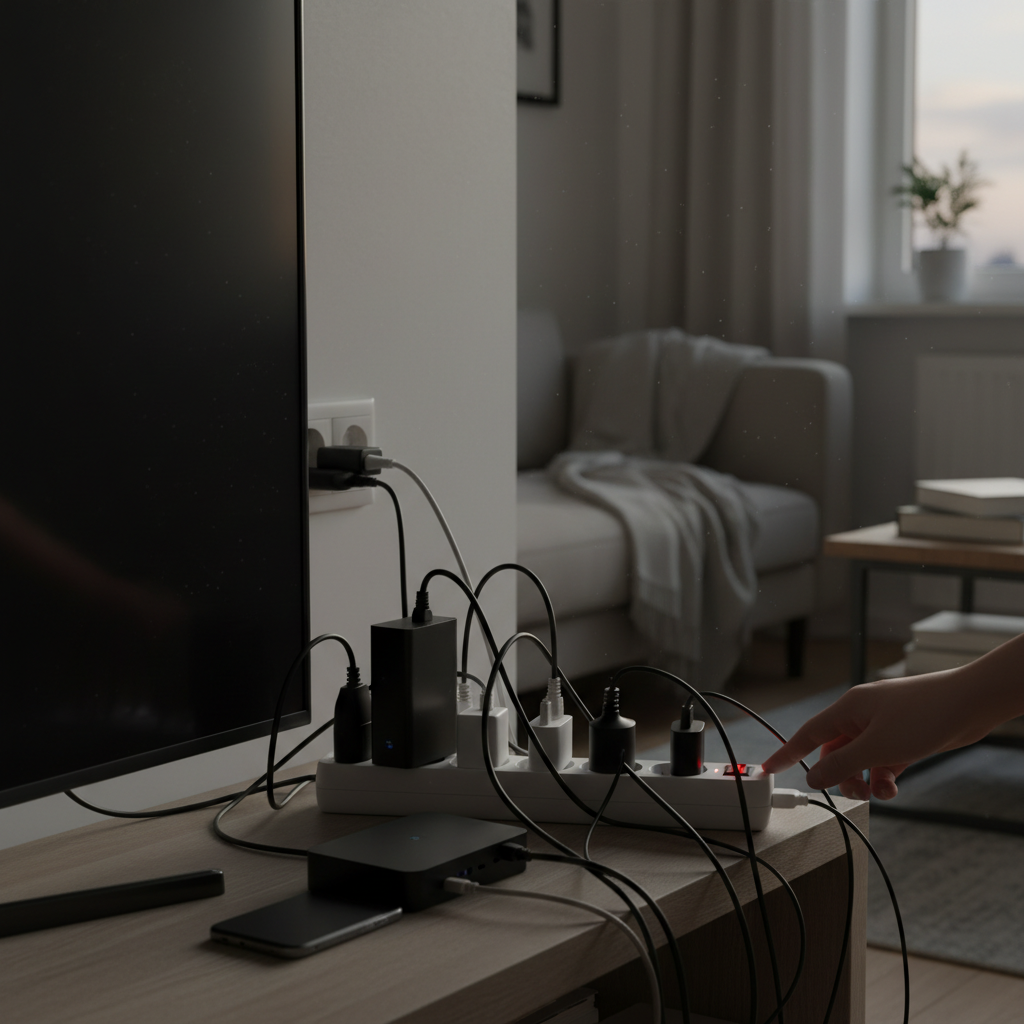
But this seemingly insignificant habit is quietly contributing to a bigger problem. It’s time we talk about “vampire appliances,” those devices that continue to draw power even when they’re turned off. They’re silently sucking energy from your outlets and, ultimately, from your wallet.
The Hidden Cost of “Phantom Load”
Most of us don’t realize that our homes are filled with these energy vampires. They’re lurking everywhere: the television, the cable box, the computer, the game console, even the humble phone charger. They’re always on standby, waiting for the signal to spring back to life. But while they’re waiting, they’re using energy, and you’re paying for it.
This is what the experts call “phantom load” or “vampire power.” It’s the electricity consumed by appliances and electronics when they are turned off but still plugged in. It’s a sneaky cost, as you won’t see it on your electric bill as a single line item, but it adds up over time.
Think about it: Your TV might only use a few watts on standby, but if it’s plugged in 24/7, 365 days a year, that small amount of power adds up. And when you multiply that by all the devices in your home, you’re looking at a significant amount of wasted energy.
Most people don’t think about this until they get their energy bill and wonder why it’s so high. Or, they might notice a spike in their electricity usage during a period when they were away from home. The culprit is often those sneaky energy vampires.
How Vampire Appliances Affect Your Device Life
Beyond the cost of electricity, constantly plugged-in devices can also affect their lifespan. While it’s a bit of a gray area, leaving certain appliances plugged in can lead to increased wear and tear. For example, chargers left plugged in, especially cheap ones, can get warmer over time, increasing the risk of overheating. Overheating can damage the charger and, in some cases, pose a fire hazard. Think about all those phone chargers plugged in.
Similarly, certain appliances with internal components that are always “on” can experience a slight reduction in their overall lifespan. This isn’t usually a dramatic effect, but over years of constant power draw, it can contribute to a device failing sooner than it should.
It’s important to note that modern appliances are generally designed to be safe, but it’s still good practice to be mindful of how you use them. Unplugging devices when you’re not using them is a simple way to extend their life and reduce the risk of any potential issues.
Common Mistakes and Myths
Let’s debunk some common myths and mistakes related to vampire appliances:
- Myth: Unplugging devices is a waste of time.
- Mistake: Assuming all appliances are created equal.
- Myth: Power strips solve everything.
- Mistake: Ignoring the little things.
Reality: It only takes a few seconds to unplug something. Over the course of a day, week, or month, the savings in terms of energy and money can be significant.
Reality: Some appliances draw more power on standby than others. Electronics with digital displays, like TVs and cable boxes, tend to be the biggest energy hogs.
Reality: Power strips are helpful, but only if you actually turn them off when you’re not using the devices connected to them. Just having a power strip isn’t enough; you need to form the habit of switching it off.
Reality: It’s easy to overlook small habits, but they add up. Consistently unplugging chargers, turning off power strips, and being mindful of your appliances can make a big difference over time.
Practical Tips to Stop the Energy Drain
Here’s how to fight back against the vampire appliances sucking the life out of your wallet:
- Unplug Chargers: This is probably the easiest and most impactful step. Unplug your phone, laptop, and other chargers when you’re not using them. Seriously, get in the habit.
- Use Power Strips: Group multiple devices together and plug them into a power strip. Then, simply flip the switch to cut off power to everything at once. This is perfect for entertainment centers, computer setups, and home office areas.
- Unplug Appliances: If you have appliances that you use infrequently, like a blender, a coffee maker, or a spare TV, unplug them when they’re not in use.
- Identify the Energy Hogs: Use a “kill-a-watt” meter to measure the energy consumption of your appliances. This will help you identify the biggest energy wasters in your home. These meters are inexpensive and easy to use. You can plug the appliance into the meter, and the meter into the wall outlet. It will tell you how much power the appliance is using.
- Consider Smart Plugs: If you want to automate the process, invest in smart plugs. You can control them with your smartphone or set them on a schedule to turn off automatically.
- Be Mindful of Lighting: Even LED lights can draw a small amount of power when they are turned off but still plugged into the outlet. Consider installing light switches that can cut off the power to the outlets.
Why It Matters More Now
In our increasingly tech-heavy lives, the problem of vampire appliances is becoming more significant. We have more devices than ever before, all vying for a spot on the power grid. From smartphones and tablets to smart TVs and gaming consoles, our homes are filled with power-hungry gadgets.
Moreover, the cost of electricity is constantly fluctuating. In many areas, prices are on the rise. By being proactive about energy consumption, you can shield yourself from these rising costs and save money over the long term.
Also, our collective energy consumption has a significant impact on the environment. Reducing your energy footprint by eliminating vampire loads is a small but meaningful step toward a more sustainable lifestyle. It’s like doing a little bit for the planet while saving some cash in the process.
Long-Term Benefits: Peace of Mind and Savings
Changing these small habits can bring significant long-term benefits:
- Reduced Electricity Bills: You’ll see a noticeable decrease in your monthly energy bills.
- Extended Device Life: By reducing wear and tear on your devices, you can extend their lifespan and avoid premature replacements.
- Increased Home Safety: Reducing the potential for electrical hazards and overheating.
- Peace of Mind: Knowing that you’re in control of your energy consumption and not wasting money unnecessarily.
- Environmental Responsibility: You’ll be contributing to a more sustainable lifestyle by reducing your energy footprint.
- Habit Formation: You’ll feel good about taking control of the smaller things in life.
Remember, it’s not about being perfect. It’s about being mindful and making small, consistent changes that add up over time. It is a win-win, really. You will be saving money, and helping the environment. Start today by unplugging one charger, and build from there. You might be surprised at how much of a difference it makes.
If you would like to read more on ways to save, check out Energy Revolutions for more tips.
FAQ
Here are some frequently asked questions about vampire appliances:
- How much money can I really save by unplugging appliances?
The amount you save depends on the number of devices you have, their energy consumption, and your electricity rates. However, even a few dollars per month can add up to significant savings over a year. The average household spends $100 annually on phantom power.
- Are there any appliances that I shouldn’t unplug?
Yes, some appliances, like refrigerators and freezers, need to be plugged in at all times. Also, some devices, such as smart home hubs, need to be constantly powered to function properly.
- Do newer appliances use less standby power than older ones?
Generally, yes. Appliance manufacturers are constantly working to improve energy efficiency, so newer models tend to use less standby power than older ones. However, even new appliances can still draw a small amount of power when turned off.
- How can I tell which appliances are the biggest energy wasters?
You can use a “kill-a-watt” meter to measure the energy consumption of your appliances. Alternatively, look for the Energy Star label, which indicates that an appliance meets certain energy efficiency standards.
- Is it safe to unplug appliances?
Yes, it’s perfectly safe to unplug most appliances. Just make sure to unplug them by the plug, not by pulling on the cord. Ensure your hands are dry, and the outlet is in good condition.
- Do smart TVs use more or less standby power than older TVs?
It depends. Smart TVs often have more features and functions, which can lead to higher standby power consumption. However, many newer smart TVs are designed to be energy-efficient and may have a low-power mode. It is a good idea to check your TV’s settings to see if you can adjust its power consumption.
- What’s the best way to manage vampire loads in a home office?
Use a power strip for all your devices (computer, monitor, printer, etc.) and turn it off completely at the end of the day. This eliminates phantom power for all those devices simultaneously. Also, unplug chargers when not in use.
- Can I use a timer to automatically turn off appliances?
Yes, you can use a timer or a smart plug to automatically turn off appliances at set times. This is a great way to save energy and make it a habit.