
We all do it, right? Shoving leftovers into the fridge without a second thought, maybe throwing a flimsy plastic bag over a half-eaten onion. It’s just a quick step, a daily routine we barely register. But those seemingly insignificant actions in the kitchen? They can quietly lead to bigger problems than you realize, eating into your budget and your precious free time.
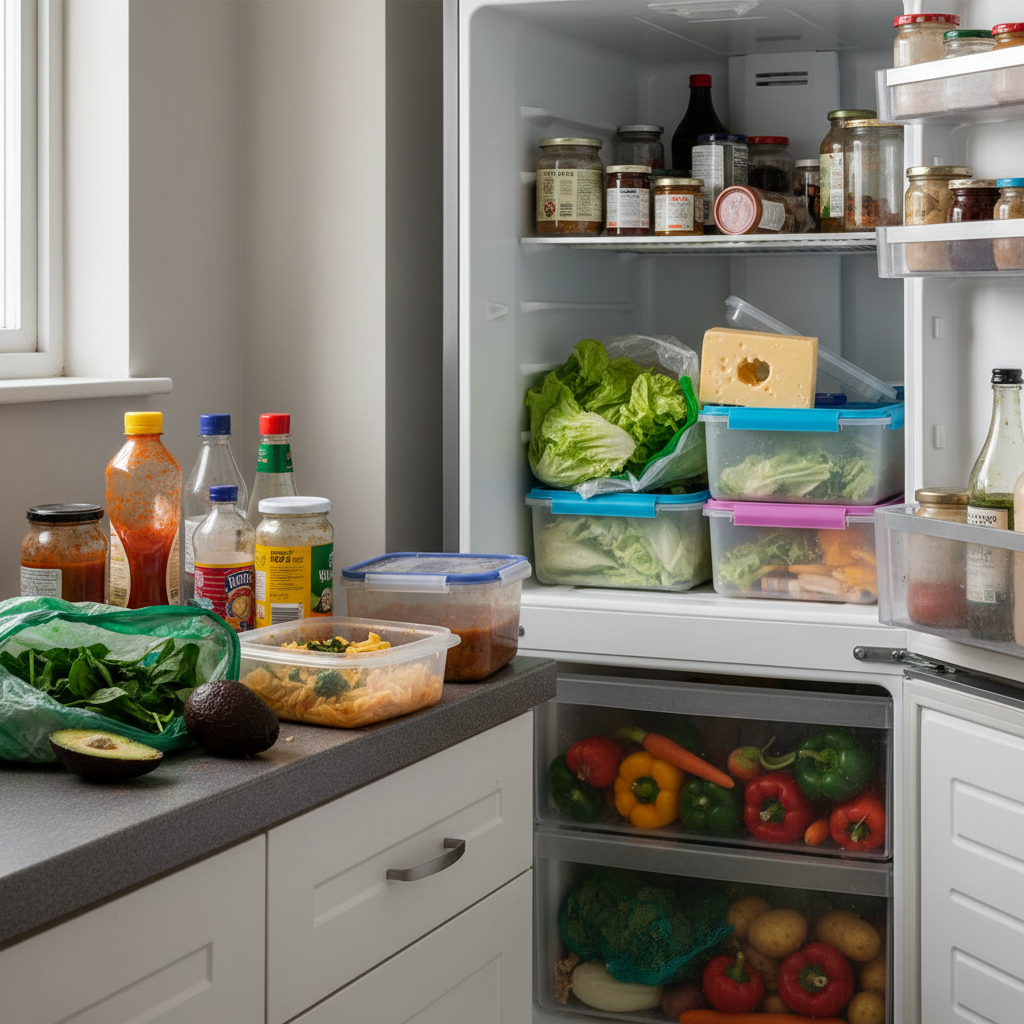
The Forgotten Corners of Your Fridge: Where Problems Begin
Most of us treat our refrigerators like a black box. We toss things in, pull things out, and hope for the best. We might wipe up a spill if we notice it, but how many of us truly think about how we’re storing food *before* it goes in?
This casual approach is where the trouble starts. Consider these common kitchen habits:
- The “Toss and Forget” Leftover Strategy: Dinner’s done, you’re tired, so leftovers go into whatever container is handy, maybe stacked precariously. Days later, you open the fridge and… what was that green fuzz?
- The Open Produce Dilemma: You chop an onion or a bell pepper, use half, and shove the rest back in the fridge, uncovered, in the crisper.
- The “Mystery Meat” Situation: That package of chicken you bought… how long has it *actually* been in there? You tell yourself you’ll cook it soon, but “soon” turns into a week.
These seemingly harmless habits trigger a cascade of consequences, all starting with poor food storage.
How These Small Kitchen Habits Impact Your Life
Let’s break down how these little routines affect different areas of your life:
Your Wallet: The Cost of Food Waste
This one stings the most, right? When food spoils, it goes in the trash. That’s money you’ve literally thrown away. Think about it. You buy groceries, spend your hard-earned cash, and then a significant portion of that purchase ends up as compost. According to recent studies, the average household wastes a shocking amount of food each year, and a huge chunk of that waste originates in the fridge. That adds up to a substantial hit to your budget. Wasted food means more trips to the store and increased grocery bills.
Your Health: The Risks of Spoiled Food
Food poisoning is no joke. Bacteria like Listeria and Salmonella thrive in the fridge environment if food isn’t stored properly. Consuming spoiled food can lead to anything from a few unpleasant hours to serious illness, putting a damper on your routine and causing unnecessary stress. The longer food sits improperly stored, the higher the risk. Always prioritize food safety!
Your Time and Effort: The Cleaning Headache
That forgotten container in the back of the fridge? It inevitably leaks. The onion that’s been sitting uncovered? It wilts and makes everything else smell like onion. Cleaning up spoiled food is a time-consuming, unpleasant chore. Then there’s the lingering odors that seem impossible to get rid of. Proper food storage makes your weekly clean-up tasks a breeze.
Your Peace of Mind: The Stress Factor
Constantly wondering if something in your fridge is safe to eat is a subtle but persistent source of stress. The thought of potentially making yourself or someone else sick, or the guilt of throwing away food, isn’t something anyone wants to deal with. Good habits in the kitchen bring a sense of order and peace.
Common Mistakes and Kitchen Myths
Let’s debunk some popular “shortcuts” that often lead to more problems:
- Myth: “If it looks okay, it’s safe.” Looks can be deceiving. Bacteria and mold can be present even before you see obvious signs of spoilage.
- Mistake: Overcrowding your fridge. Air needs to circulate. Cramming everything together prevents proper cooling and speeds up spoilage.
- Myth: “Freezing kills all bacteria.” While freezing does stop bacterial growth, it doesn’t kill all bacteria. Freezing also won’t reverse spoilage that’s already started.
- Mistake: Using the fridge to “store” everything. Not everything belongs in the fridge! Tomatoes, for example, lose flavor and texture when refrigerated. Certain fruits and vegetables are best stored at room temperature.
Practical Tips for a Better Fridge and a Better Life
Here’s how to transform your kitchen habits, save money, and simplify your life:
1. Master the Leftover Game
Invest in quality, airtight containers. Glass containers are ideal because they don’t absorb odors or stains. Label everything with the date it was cooked. Make it a habit to eat leftovers within 3-4 days. Consider freezing leftovers in single-serving portions for easy grab-and-go meals.
2. Prep and Store Produce Smartly
Wash and chop vegetables as soon as you get home from the store. Store them in clear containers or resealable bags. This makes them ready to use and prevents them from wilting. Wrap cut onions and other veggies tightly. Use the crisper drawers correctly. The high-humidity drawer is for leafy greens, while the low-humidity drawer is for fruits and vegetables that release ethylene gas (like apples and bananas) and vice versa.
3. The FIFO (First In, First Out) Rule
When you put new groceries away, move older items to the front so you use them up first. This simple trick prevents food from being forgotten and spoiling in the back of your fridge.
4. Know Your Fridge Zones
The temperature in your refrigerator varies. Store items in the appropriate zones to keep them fresh longer. The top shelf is generally the most consistent temperature and is good for leftovers and ready-to-eat foods. The bottom shelf is the coldest, best for raw meats. Use door shelves for condiments and items with natural preservatives.
5. Regular Fridge Audits
Once a week (or more often, if you like), take a quick inventory. Throw out anything that’s past its prime. Wipe up spills immediately. A clean fridge is a happy fridge.
6. Master the Art of Freezing
Freezing is your friend! Learn which foods freeze well (soups, stews, cooked grains, even some cheeses). Freeze food in proper containers or freezer bags, removing as much air as possible to prevent freezer burn. Label everything with the date and contents.
7. Temperature Checks
Your refrigerator should be at or below 40°F (4°C), and your freezer should be at 0°F (-18°C). Use a refrigerator thermometer to monitor the temperature regularly. A warmer-than-ideal fridge can cause spoilage.
Why These Habits Matter More in the Modern Era
In today’s busy world, efficient food management is more important than ever. We’re all juggling more responsibilities, and the last thing we need is wasted time and money due to poor kitchen habits.
Consider these modern-day realities:
- Inflation’s Impact: Food prices are higher. Reducing food waste helps protect your budget.
- Meal Kit Services & Prepared Foods: These offer convenience but also require smart storage to avoid waste.
- Environmental Awareness: Reducing food waste helps lessen the impact on landfills.
- Busy Schedules: Proper planning and storage save time and effort during the week.
The simple act of properly storing food is a small step with big consequences, contributing to a more sustainable and cost-effective lifestyle.
The Long-Term Rewards: Peace of Mind, Savings, and Simplicity
By adopting these simple kitchen habits, you’ll experience:
- Reduced Food Waste: Saving money and helping the environment.
- Fewer Grocery Trips: Frees up your time and reduces impulse buys.
- Healthier Eating: Enjoy fresh, safe food.
- Less Stress: A well-organized fridge equals a less chaotic life.
- Peace of Mind: Knowing you’re making the most of your resources.
It’s not about being perfect; it’s about making small, consistent changes that have a big impact. When you implement these tips, you will find that managing your kitchen will become easier, less stressful, and a lot more budget-friendly.
If you have any issues with appliance performance, remember to check out this guide: My Fridge is Warm! A Real-Life Guide to Cooling Down Your Food (and Your Stress).
Frequently Asked Questions
Here are some of the most common questions people have about food storage:
Q: How long do leftovers last in the fridge?
A: Generally, 3-4 days is a safe guideline. Be sure to check for signs of spoilage before eating.
Q: Should I wash all my produce as soon as I buy it?
A: Not always. Washing berries, for example, before storing them can speed up spoilage. Wash produce right before you’re ready to use it.
Q: Is it safe to eat food that has been frozen for a year?
A: Frozen food can be safe to eat indefinitely, but the quality degrades over time. For best results, consume frozen food within the recommended timeframes (generally 3-12 months, depending on the food).
Q: What’s the best way to store fresh herbs?
A: Treat them like flowers! Trim the stems, place them in a jar with water, and loosely cover them with a plastic bag. Change the water every few days.
Q: How do I get rid of bad smells in the fridge?
A: Remove the source of the smell! Then, use an open box of baking soda, or a container of activated charcoal, to absorb odors. A good cleaning also helps.
Q: Is it safe to refreeze thawed food?
A: It’s generally not recommended to refreeze food that has thawed completely. However, cooked food that has thawed can be safely refrozen.
Q: How can I tell if a food is spoiled if I can’t see any mold?
A: Trust your senses. If the food smells off, has a slimy texture, or looks discolored, it is best to throw it out. When in doubt, err on the side of caution.
Q: Can I use plastic wrap to store food in the fridge?
A: Plastic wrap can be helpful for short-term storage, but it doesn’t create an airtight seal. For longer storage, use airtight containers.