
Ugh, there’s nothing quite like the sinking feeling of a washing machine refusing to drain. You’ve just finished a load of laundry, feeling all smug about your clean clothes, and then…blub, blub, blub. Water everywhere. Clothes soaking. And a growing sense of panic. Been there, done that. More times than I care to admit, actually.
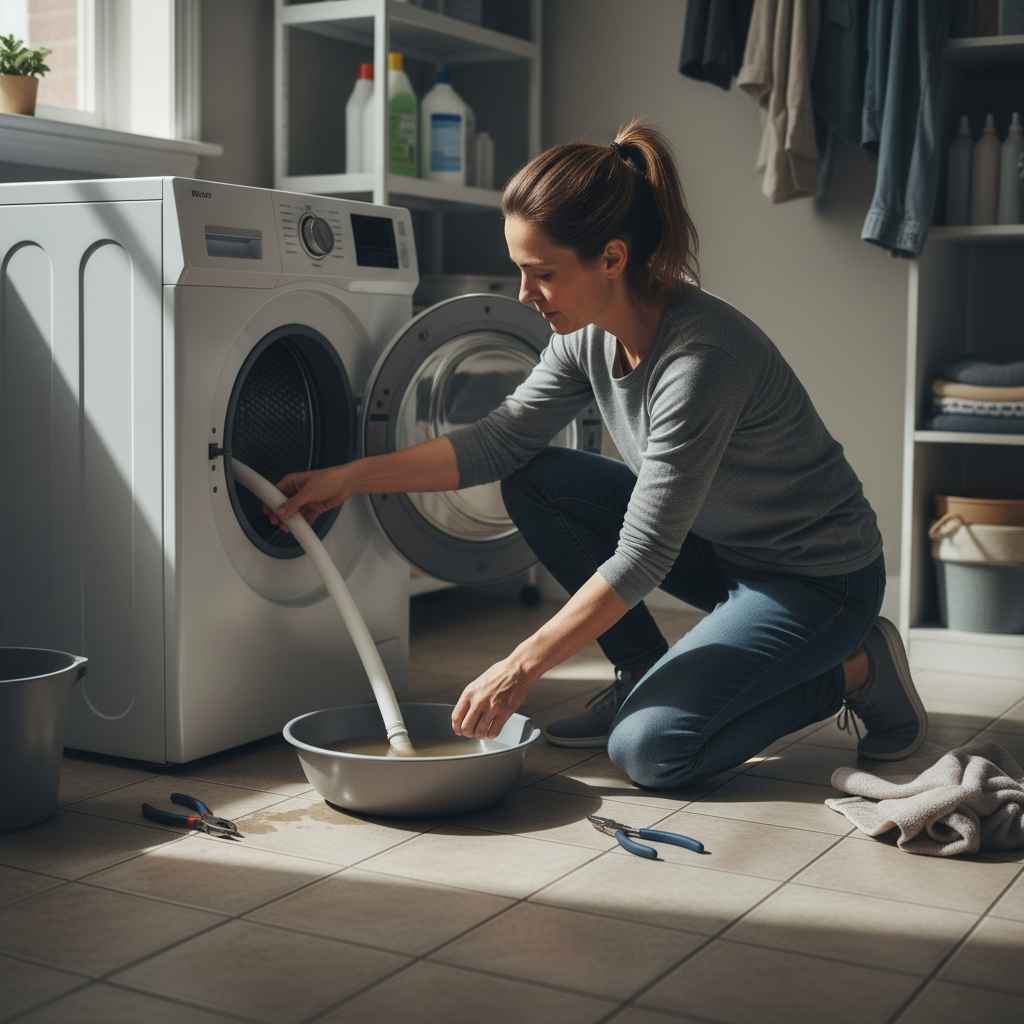
Let me tell you, it’s a common problem. It’s also one that can feel overwhelming. But, trust me, it’s usually fixable. And, more often than not, it’s something you can handle yourself without having to call in a repair person and wait a week for them to show up.
Why Won’t My Washing Machine Drain? The Usual Suspects
So, why does this happen? Well, there are a few usual culprits. Understanding these is the first step to fixing the problem. We’re not talking about anything too complex, I promise. It’s all stuff you can manage.
1. The Clogged Drain Hose
This is probably the most common reason. Your washing machine has a drain hose that carries the water out of the machine. This hose can get clogged with all sorts of things: lint, hair, small bits of fabric, even the odd coin that escaped from a pocket. Over time, these things build up, creating a blockage. It’s like a traffic jam for water.
2. A Clogged Drain Pump Filter
Many washing machines have a filter specifically designed to catch larger debris *before* it gets to the pump. This is a good thing! But, it means the filter needs regular cleaning. If this filter is clogged, water can’t drain properly. Think of it as the gatekeeper to your washing machine’s exit strategy. And when the gatekeeper gets lazy, the water stays put.
3. Issues with the Drain Pump
The drain pump is the workhorse of the whole operation. It physically pushes the water out. If this pump is faulty – maybe something has gotten lodged in it, or it’s simply worn out – it won’t be able to do its job. This is less common than a clogged hose or filter, but it definitely happens. This is the one that sometimes needs a professional, but let’s see if we can avoid that for now.
4. The Wrong Cycle/Settings
Okay, this one might sound silly, but it’s worth checking. Did you accidentally select a cycle that doesn’t drain, like a soak cycle? Or maybe the settings are just off? Sometimes, a simple mistake is the culprit, and it’s an easy fix.
What You’re Probably Doing Wrong (And How to Fix It)
So, you’ve got a flooded laundry room. Now what? Here’s where things can get a little tricky. Here’s the thing, most people react in the wrong way. I did, more than once, until I learned. This is where the real problem solving begins.
Mistake #1: Panicking and Grabbing the Wrong Tools
Your immediate instinct might be to grab the biggest bucket you can find and start scooping out water. Or maybe you reach for the plunger. While these *might* be helpful, they’re not the first steps. You need to identify *where* the clog is before you start bailing water out. This is where most people get stuck. Resist the urge to panic! Take a deep breath.
Mistake #2: Ignoring the Drain Hose
People often overlook the drain hose. They assume the problem is inside the machine, so they skip this crucial step. The drain hose is low-hanging fruit and is often the main source of the problem. It’s usually the easiest thing to check and can save you a lot of time and hassle.
Mistake #3: Not Cleaning the Drain Pump Filter
The drain pump filter is often a forgotten hero. People either don’t know it exists or they just forget to clean it. Trust me, it’s a necessary chore! It’s like neglecting to empty the vacuum cleaner bag. Eventually, it will clog up and stop working. Most machines have this filter behind a small access panel, often near the bottom front of the machine. Find it. Clean it.
Mistake #4: Assuming the Worst
Many people jump to the conclusion that their washing machine is completely broken and that they need to buy a new one. Before you spend a lot of money, let’s explore the easier options. Often, a simple cleaning will do the trick.
Step-by-Step Guide to Draining Your Washing Machine (and Your Sanity)
Okay, time to get practical. Here’s a step-by-step guide to tackling a washing machine that won’t drain. Remember, take it slow. And don’t be afraid to take breaks. This isn’t a race.
Step 1: Safety First
Unplug the washing machine from the power outlet. This is non-negotiable! You’re dealing with water and electricity, so safety is paramount. And, close the water supply valves. You don’t want any surprises.
Step 2: Locate the Drain Hose
The drain hose is the large, ribbed hose that connects from the back of the washing machine to the drainpipe in your wall (or to a standpipe). Make sure it’s not kinked or bent. Sometimes, a simple bend can restrict the flow of water. Also, check to see how the hose is connected, it could be a simple screw on type connection.
Step 3: Check the Drain Hose
Carefully detach the drain hose from both the washing machine and the drainpipe. Have a bucket ready because water will likely spill out! Once the hose is detached, hold it up and see if any water drains out. This alone might solve the problem. Look inside the hose for any obvious blockages (hair, lint, etc.). You might be able to clear the clog by running water through it. Sometimes, you can even see the clog and just pull it out with a pair of tongs or pliers.
Step 4: Clean the Drain Pump Filter
Locate the drain pump filter. This is usually behind a small access panel at the bottom front of the machine. Place a shallow container (like a baking dish) under the panel to catch any water that spills out. Carefully unscrew the filter (some filters just pull out). You’ll probably find a lot of gunk in there: lint, hairpins, coins, buttons, and other random things. Clean the filter thoroughly under running water. Once it’s clean, replace it securely.
Step 5: Check the Drain Pump (If Necessary)
If you’ve checked the drain hose and the filter and the machine *still* won’t drain, there might be something stuck in the drain pump itself. This is a bit more involved. Consult your washing machine’s manual for specific instructions on accessing the pump. It often involves removing a panel from the back or bottom of the machine. Be careful! You don’t want to damage anything. Once you have access to the pump, check for any obstructions. You might be able to remove them with pliers or a small tool.
Step 6: Test and Observe
Once you’ve done all of the above, reconnect everything. Plug the machine back in. Turn on the water supply. Run a short “rinse and spin” cycle. Watch carefully! Does the water drain properly? If it does, congratulations! You’ve fixed the problem.
When to Call a Professional (And When You Can DIY)
Sometimes, despite your best efforts, the problem persists. So, when is it time to call in the professionals? Here’s the thing, most of the time you can fix it yourself. But, there are times when it’s best to call for help:
- The Drain Pump is Clearly Broken: If you’ve accessed the drain pump and can see that it’s damaged or not working, it’s time to call a repair person.
- You’ve Tried Everything: If you’ve followed all the steps above and the machine still won’t drain, there might be a more complex issue that requires expert diagnosis.
- You’re Uncomfortable: If you’re not comfortable working with appliances or are unsure about any of the steps, it’s always better to be safe and call a professional. No shame in that!
Preventing Future Drain Disasters: Long-Term Tips
The best way to deal with a washing machine that won’t drain is to prevent it from happening in the first place. Here are a few tips to keep your machine flowing smoothly:
- Clean the Drain Pump Filter Regularly: Make this a part of your monthly cleaning routine. It takes just a few minutes, and it can save you a major headache.
- Avoid Overloading the Machine: Overloading can put extra strain on the drain pump and can also lead to more lint and debris getting into the system.
- Check Pockets Before Washing: Before you throw clothes in the wash, check all pockets for loose change, pens, or anything else that could clog the drain.
- Use the Right Amount of Detergent: Too much detergent can create excess suds, which can trap debris and cause clogs.
- Inspect the Drain Hose Periodically: Once in a while, give the drain hose a visual inspection to make sure it’s in good condition and free from any obvious kinks or obstructions.
By following these tips, you’ll significantly reduce the chances of your washing machine throwing a draining tantrum. And, if a problem *does* arise, you’ll be well-equipped to handle it yourself.
Frequently Asked Questions
My washing machine is making a gurgling noise when it tries to drain. What’s wrong?
That gurgling noise is usually a sign that there’s a partial blockage. It’s the sound of the water struggling to get through the obstruction. The first thing to check is the drain hose and the drain pump filter. Clean them thoroughly, and see if that fixes the problem.
Can I use a plunger to unclog my washing machine?
Yes, you can *try* a plunger, but it’s not always effective. If the clog is in the drainpipe itself, a plunger might help. However, if the clog is inside the machine, a plunger might not do much good and could even push the blockage further in. Start with the other steps first, and use the plunger as a last resort.
How often should I clean my washing machine’s drain pump filter?
I recommend cleaning your filter once a month, or more often if you do a lot of laundry, or if you have pets. It’s a quick and easy task that can prevent a lot of problems down the road.
My washing machine won’t drain, and the water is overflowing. What should I do first?
Immediately turn off the washing machine and unplug it. Then, turn off the water supply to the machine. After that, assess the situation and try to determine the cause. The overflow could be a result of a clog in the drain hose or pump, or a faulty drain pump. Follow the steps above to try and resolve the issue. If the water is rising higher and higher, this is a sign that there may be a serious issue. If in doubt, call a professional.
Is it safe to use drain cleaner in my washing machine?
I generally advise against using harsh drain cleaners in your washing machine. These chemicals can damage the internal components of the machine and could make the problem worse. It’s better to stick to the tried-and-true methods of cleaning the hose and filter, and addressing the pump itself.
My washing machine seems to drain very slowly. What could be the cause?
Slow draining is often a sign of a partial clog. The same steps you would take to address a completely blocked machine can be used to fix slow draining. Check the drain hose and the filter, and clean them thoroughly. If that doesn’t work, there may be an obstruction in the pump. A slow draining machine is a problem you want to address quickly. It will only get worse.
What if I find something unusual in the drain pump filter, like a small object?
It’s very common to find small objects in the drain pump filter. This is why you must check the pockets of clothes before washing! Carefully remove the object and clean the filter thoroughly. If you are comfortable, you can inspect the pump itself for any further obstruction, but it is always best to let a professional address any concerns. If the object appears to have caused damage to the pump, don’t attempt to repair it yourself, instead have a technician take a look.
How do my charging habits affect my appliances’ lifespans?
Similar to how you treat your phone, taking care to use your appliances properly can extend their lives. For example, be mindful of how you’re using your appliances. Using the right settings, avoiding over-filling, and cleaning your machine regularly are all good habits to adopt. Just like improper charging can damage a phone battery, bad habits can wear down the components of appliances, leading to shorter lifespans and more repairs. This article goes into greater detail about how you can improve your habits to extend the life of your appliances.
</html