
Ugh, there’s nothing quite like the sinking feeling of a washing machine that refuses to drain. You load up your favorite jeans, add the detergent, hit start… and then, nothing. The water just sits there, mocking you with its stagnant, soapy stillness. Been there, done that, and trust me, it’s a mood killer. It’s especially annoying because it always seems to happen at the most inconvenient time.
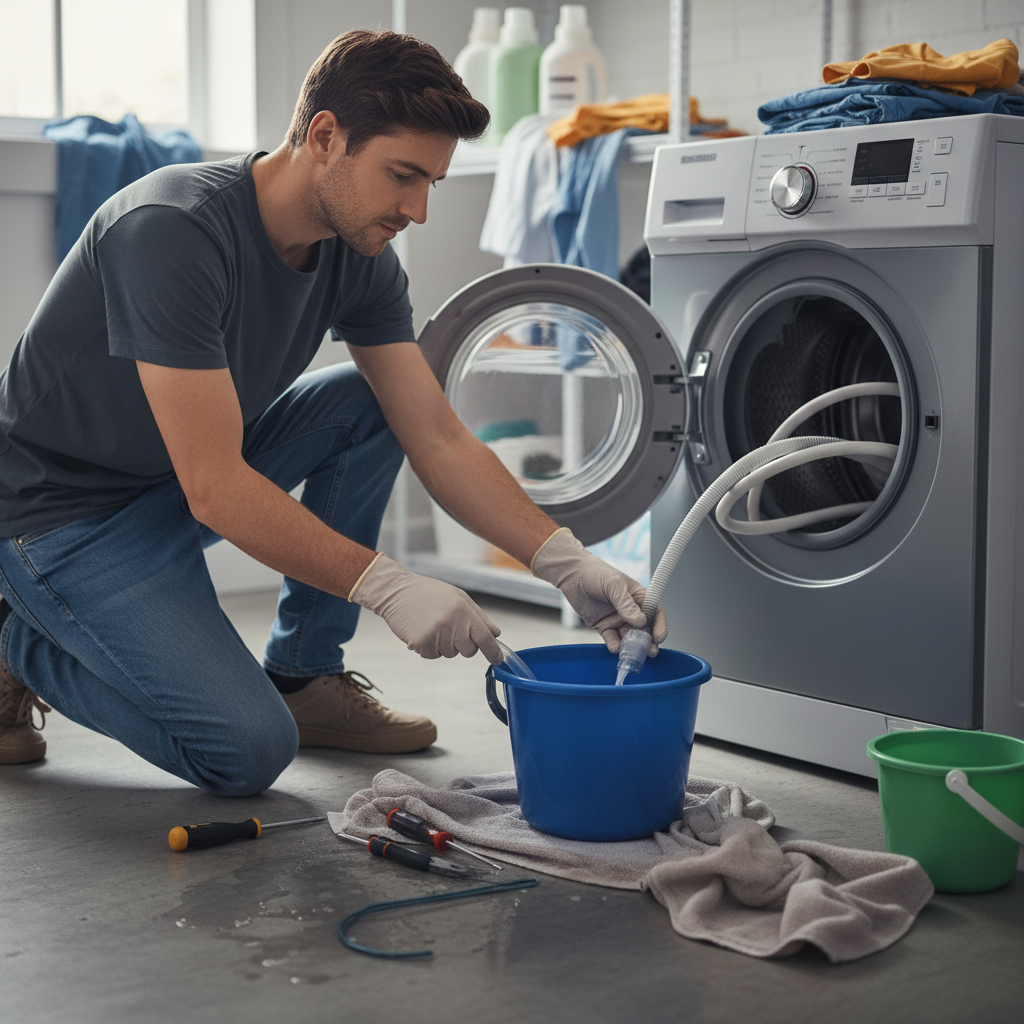
So, you’re standing there, staring at a tub full of dirty water, wondering if you should call a repair guy, or if you can fix this yourself. Well, take a deep breath. Most of the time, this is a problem you can absolutely handle at home. It’s usually something simple, a clog, and I’m going to walk you through exactly how to get that water moving again, and your laundry day back on track.
Why Your Washing Machine Isn’t Draining: The Usual Suspects
Okay, so what’s *really* going on inside that metal beast? Let’s get down to the basics. The most common culprit behind a non-draining washing machine is a clog. Think of it like a plumbing system for your clothes. Stuff gets in there that shouldn’t be, and then, well, things get backed up. Here’s a rundown of the usual suspects:
- Lint Buildup: This is the number one enemy. Over time, lint from your clothes, especially towels and anything fuzzy, accumulates in the drain hose, the pump, and the filter. This stuff is sneaky. It loves to clump together and block the water flow.
- Small Objects: Lost socks, coins, hair ties, those tiny bits of paper you forgot to take out of your pockets – they all find their way in. And once they do, they can get lodged in the pump or the drain hose.
- Soap Residue: Using too much detergent, or the wrong kind, can lead to a build-up of soapy gunk. This gunk can cling to the insides of the drain system and restrict water flow. I’ve been there with the “extra cleaning power” detergent; it seemed like a good idea at the time.
- Drain Hose Issues: Sometimes, the drain hose itself can be the problem. It might be kinked, blocked, or even disconnected.
What NOT to Do (and Why You Shouldn’t Listen to That “Expert” Uncle)
Before we get to the fixes, let’s clear up some common mistakes and bad advice. This is where a lot of people go wrong, and where you can save yourself a lot of time and potential damage:
- Don’t Overload the Machine: I know, it’s tempting to cram as much laundry in there as possible, but an overloaded machine can put extra strain on the pump and increase the chances of a clog. Trust me, I’ve tried.
- Don’t Use Too Much Detergent: More detergent does *not* equal cleaner clothes. It often leads to residue buildup. Always measure your detergent according to the manufacturer’s instructions. A little goes a long way.
- Don’t Ignore the Error Codes: If your washing machine is flashing an error code, it’s trying to tell you something. Check your user manual (I know, I know, who keeps those?) or look up the code online. Don’t just keep hitting the start button.
- Forget the “Magic” Cleaners: There are a lot of cleaning products out there that claim to magically unclog your machine. Some might work *a little*, but they often just mask the problem or could potentially damage your machine over time. Stick to the basics.
- Don’t Pour Boiling Water: Unless specifically recommended by your washing machine’s manual, avoid pouring boiling water into the machine. It could damage the plastic components.
Step-by-Step Guide to Fixing a Washing Machine That Won’t Drain
Alright, let’s get down to business. Here’s how to troubleshoot and fix a washing machine that’s holding onto its water, in a way that feels possible, not overwhelming.
- Safety First: Unplug the washing machine from the power outlet. Seriously, safety first. Water and electricity don’t mix, and we don’t want any shocks.
- Gather Your Supplies: You’ll need a few things:
- Gloves (trust me, you’ll thank me later).
- A bucket or shallow pan (to catch any water that spills).
- Towels (to soak up any spills).
- A screwdriver (usually a Phillips head).
- Possibly a pair of pliers (for stubborn clogs).
- A small container to hold any retrieved items.
- Locate the Drain Hose: This is usually a large, ribbed hose that goes from the back of the washing machine to the drainpipe in your wall. Make sure it isn’t kinked or bent.
- Check the Drain Hose:
- Carefully detach the drain hose from both the washing machine and the drainpipe in your wall. Be prepared for some water to come out. Have your bucket or pan ready.
- Inspect the hose for any blockages. You might be able to see the clog, or you can run water through it to see if it flows freely.
- If the hose is clogged, try flushing it out with water from your faucet, or you can try gently using a straightened wire coat hanger to dislodge the blockage.
- Check the Drain Pump Filter: This is where most of the gunk accumulates.
- Most front-load washers have a small access panel at the bottom front of the machine (it’s usually a small door). Open this panel.
- You should see a filter. Carefully unscrew or remove the filter (again, have your bucket ready). There will likely be water behind it.
- Clean the filter thoroughly. You’ll probably find a collection of lint, hair, coins, and maybe even a stray button or two. Gross, I know, but satisfying to remove.
- Rinse the filter under running water to remove any remaining debris.
- Reinstall the filter. Make sure it’s screwed in tightly to prevent leaks.
- Check the Drain Pump (If You Can Access It): Some machines have a separate access to the drain pump itself. This is usually more involved, and you might need to consult your washing machine’s manual for specific instructions. If you aren’t comfortable with this, don’t worry, the other steps usually solve the issue.
- Run a Test Cycle: Plug the washing machine back in, and run a short rinse and spin cycle. Watch to see if the water drains properly. If it does, congratulations! You’ve likely fixed the problem.
- If It Still Doesn’t Drain: If the water still isn’t draining, and you’ve checked everything above, it might be time to call a professional. There could be a more serious issue, such as a problem with the pump itself, or a blockage deeper within the machine.
When to Call a Professional (and When to Keep DIY-ing)
Okay, so you’ve tried everything above, and your washing machine is still playing stubborn? Here’s a quick guide to help you decide if it’s time to call in the pros:
- Call a Pro If:
- You’ve tried all the DIY steps, and the problem persists.
- You’re uncomfortable working with appliances or electricity.
- You hear unusual noises coming from the machine, even when it’s not running.
- You suspect a problem with the pump motor itself.
- Keep DIY-ing If:
- You’ve found a simple clog in the drain hose or filter.
- You’re comfortable with basic plumbing and appliance troubleshooting.
- You’re patient and willing to try the steps above.
Long-Term Prevention: Keeping Your Washing Machine Happy
Now that you’ve fixed the problem, let’s talk about how to prevent it from happening again. Here are a few simple habits that will keep your washing machine running smoothly for years to come:
- Clean the Filter Regularly: Make it a habit to clean the drain pump filter every month or two, or more often if you do a lot of laundry.
- Use the Right Amount of Detergent: Read the instructions on your detergent and use only the recommended amount.
- Check Pockets Before Washing: Before you toss clothes in the wash, take a minute to check pockets for coins, pens, paper, and anything else that shouldn’t be there. Trust me, you’ll be glad you did.
- Consider a Washer Cleaner: Once or twice a year, run a washing machine cleaner cycle. This helps remove any buildup and keeps your machine fresh.
- Inspect Hoses: Regularly check the drain hose for kinks, damage, or wear and tear. Replace it if necessary.
Dealing with a non-draining washing machine can be a real pain, but it’s often a fixable problem. By following these steps, you can save yourself some money, some stress, and get back to enjoying your clean clothes. Remember, most of the time, it’s just a simple clog. So, take a deep breath, grab your gloves, and get ready to conquer that laundry day headache. And hey, while you’re at it, maybe check out The Everyday Tech Trap article for more on keeping your home life running smoothly.
FAQ: Washing Machine Drainage Woes, Answered
Here are some of the most common questions people have when dealing with a washing machine that won’t drain, answered in plain English:
Q: My washing machine is making a gurgling sound. What does that mean?
A: Gurgling sounds usually indicate a partial blockage in the drain system. It’s often a sign that water is struggling to get through. It’s time to check the drain hose and the pump filter.
Q: How often should I clean my washing machine filter?
A: It depends on how often you do laundry. A good rule of thumb is to clean it every month or two, or more often if you wash a lot of towels or pet bedding.
Q: Can I use vinegar to clean my washing machine?
A: Yes, you can. Vinegar can help remove mildew and soap scum. Run an empty cycle with a cup of white vinegar. Just don’t overdo it or use it too frequently, as it can potentially damage rubber parts over time.
Q: My washing machine is overflowing! What should I do?
A: Immediately unplug the machine! Then, try to shut off the water supply to the machine (there should be shutoff valves behind the machine). Once it’s safe, figure out why it’s overflowing. It might be a stuck float switch or a clogged drain.
Q: Can I use a plunger to unclog my washing machine?
A: You can try, but it’s often not very effective, and you could end up pushing the clog further down the line. It’s best to start with the steps outlined above.
Q: My washing machine stopped draining mid-cycle. What happened?
A: This is usually a sign of a blockage or a problem with the pump. Follow the troubleshooting steps in this guide.
Q: Why is my washing machine still full of water after the cycle is over?
A: This is the classic symptom of a drainage problem. The most likely culprits are a clogged drain hose, a clogged pump filter, or a problem with the pump itself.
Q: How long does it take to fix a washing machine that won’t drain?
A: If you follow the steps above, you can often fix the problem in under an hour. It might take longer if you need to order parts or call a repair person.