
Think about your TV, the one that’s always on standby. Or the microwave clock glowing 24/7. How often do you really think about the energy those things are using, even when you’re not actively using them? Probably not often. Most of us don’t. We’re busy, juggling work, family, and a million other things. It’s easy to overlook the small stuff.
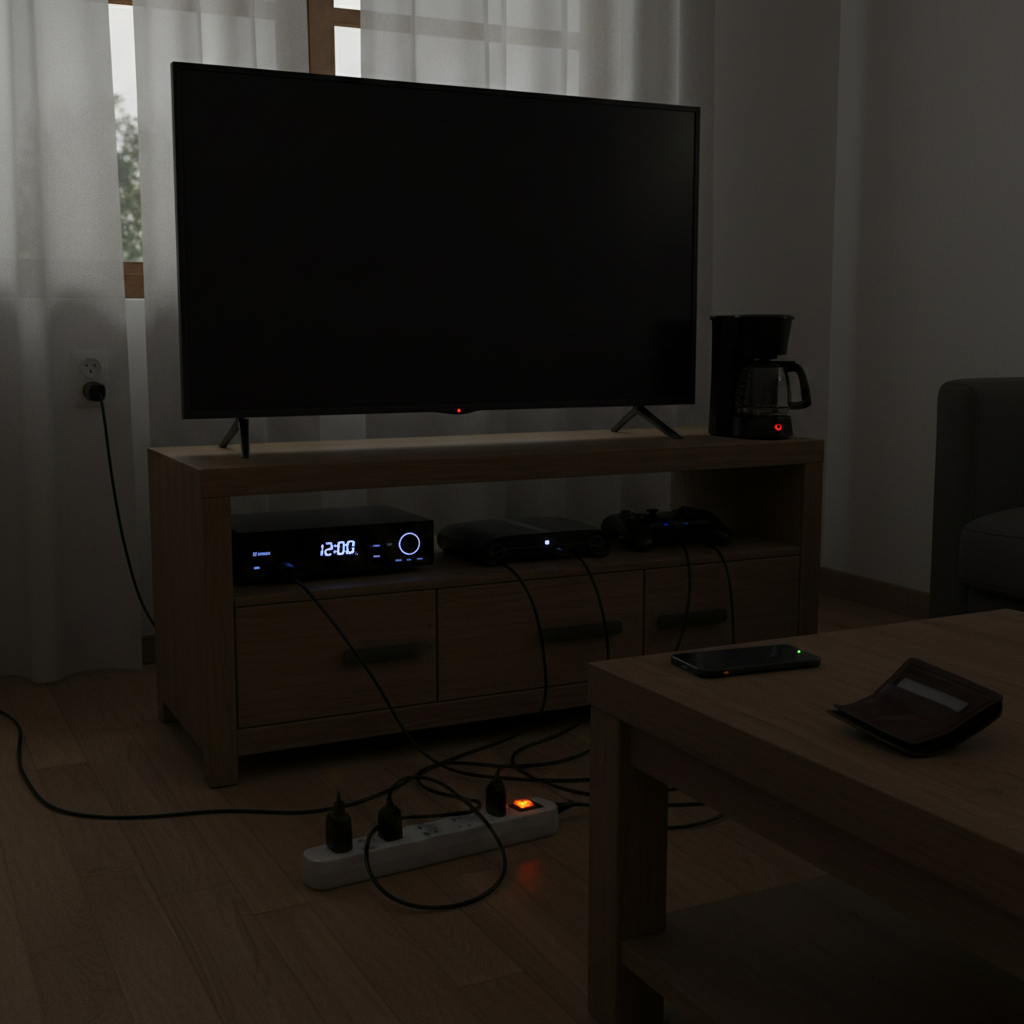
But those little things – the devices left plugged in, the chargers still in the wall, the TVs waiting for a command – they add up. They contribute to what’s called “phantom load” or “vampire power.” And over time, this seemingly insignificant energy drain can have a real impact on your finances and your home’s overall energy efficiency.
The Silent Thief in Your Home
This silent thief is sneaky. It doesn’t announce its presence with loud noises or flashing lights (most of the time). Instead, it quietly siphons off electricity, 24 hours a day, 7 days a week. It’s the energy your devices consume simply by being plugged in.
Consider this: a modern TV can use anywhere from 1 to 5 watts on standby. Seems small, right? But multiply that by the number of TVs in your house, the cable box, the gaming consoles, the sound systems, and you start to see the bigger picture. Then add in all the other devices – the computers, the printers, the coffee makers, and even the phone chargers.
Now, let’s talk numbers. According to the U.S. Department of Energy, “phantom load” can account for 5% to 10% of your home’s total electricity consumption. That could translate to hundreds of dollars a year, money that could be spent on things you actually enjoy, rather than simply powering devices that are doing nothing.
Common Mistakes We All Make
We’re all guilty of these at some point. It’s human nature to fall into habits, especially when we’re tired or in a rush.
- Leaving chargers plugged in: Even when your phone or laptop is fully charged, the charger continues to draw a small amount of power.
- Not unplugging devices: Many appliances, like microwaves and TVs, continue to use energy even when turned off (but still plugged in).
- Ignoring the “sleep” or “standby” mode: While designed for convenience, these modes consume electricity constantly.
- Using older electronics: Older devices tend to be less energy-efficient than newer models.
These may seem like small, insignificant things, but they add up over time.
Busting Myths and Shortcuts
There are plenty of “tips” out there, but not all of them are accurate or effective. Here’s a dose of reality.
- Myth: Unplugging only saves pennies. This is incorrect. While the savings might seem small at first, they accumulate over time. Those pennies add up to dollars.
- Myth: Smart plugs are too expensive. While the initial investment is required, the energy savings from smart plugs can often offset the cost relatively quickly. And they give you the convenience of remote control and scheduling.
- Shortcut: Only unplugging certain devices. While better than nothing, this isn’t a comprehensive solution. It’s best to address all the energy drains in your home.
Practical Tips to Save Energy (and Money!)
Now for the good stuff. Here’s how to fight back against the “phantom load” and keep your money where it belongs: in your pocket!
1. Unplug, Unplug, Unplug!
This is the most direct and effective action. Unplug chargers, appliances, and electronics when they’re not in use. It’s that simple. If you are diligent, you will see a reduction in your bill.
2. Use Power Strips (and Smart Strips)
Power strips, especially those with an on/off switch, make it easy to cut power to multiple devices at once. This way, you can turn off the entire entertainment center or home office with a single flick.
Even better, consider smart power strips. They automatically cut power to devices when they’re not in use, or you can control them remotely via a smartphone app. You can also get models that detect when a device is in standby mode and cut the power.
3. Upgrade to Energy-Efficient Appliances
When it’s time to replace an appliance, look for the Energy Star label. These appliances are designed to use significantly less energy than their standard counterparts. This upfront investment will pay off over the lifetime of the appliance in terms of lower energy bills.
4. Be Mindful of “Sleep” Modes
While convenient, sleep and standby modes still consume energy. If you’re not going to use a device for an extended period, consider turning it off completely instead of just putting it to sleep.
5. Educate Your Family
This is a team effort. Talk to your family about the importance of saving energy and explain the benefits. Make it a habit for everyone to unplug devices or turn off power strips when they leave a room or go to bed. Even the kids can do it.
6. Conduct a Home Energy Audit
Sometimes you need to see the bigger picture. A home energy audit can identify areas where your home is losing energy, including phantom loads. Many utility companies offer free or low-cost audits.
7. Smart Thermostats Can Help Too
While the focus here is “phantom load,” you can extend your energy-saving strategy to other areas of your home. Smart thermostats, for example, can optimize your heating and cooling usage, reducing your energy bills. Taking Control of Your Comfort: A Simple Guide to Smart Thermostats details the benefits and how to choose the right one for your home.
How These Habits Matter More in the 2026 Tech-Heavy Lifestyle
Our homes are becoming increasingly connected. We have smart TVs, streaming devices, smart speakers, smart lights, and more. All of these devices consume energy, even when idle. The more gadgets we have, the greater the potential for “phantom load.”
In 2026, many homes are also equipped with home automation systems, which can further increase energy consumption. The good news is, by being mindful of these energy drains, you can take control of your energy usage in this increasingly tech-dependent world.
Long-Term Benefits: Peace of Mind, Savings, and Fewer Breakdowns
Making small changes can deliver big results. You’ll see the savings on your electricity bill. You’ll reduce your carbon footprint, contributing to a more sustainable lifestyle. Beyond the immediate financial benefits, you’ll also enjoy these long-term advantages:
- Reduced wear and tear: Constantly plugged-in devices generate heat, which can shorten their lifespan. Unplugging them when not in use helps to extend their life.
- Increased home safety: Unplugging electronics reduces the risk of electrical fires caused by faulty devices or power surges.
- Greater peace of mind: Knowing you’re actively managing your energy consumption can reduce stress and increase your sense of control over your home.
Frequently Asked Questions
Here are some common questions I hear about saving energy:
- How much money can I really save by unplugging devices? The savings vary depending on the number of devices you have and your electricity rates, but it’s often more than you think. Even a few dollars saved each month adds up over the year.
- Do I really need to unplug my phone charger, even if it’s not charging anything? Yes. The charger still draws a small amount of power even when not connected to a phone.
- Are smart plugs worth the investment? In many cases, yes. They offer convenience, remote control, and can often pay for themselves through energy savings.
- Will unplugging devices prevent power surges? To a degree, yes. Unplugging your devices during a storm or when you know a surge is possible provides an extra layer of protection.
- How can I tell which devices are using the most standby power? You can use a “kill-a-watt” meter, which plugs into an outlet and measures the energy consumption of a device.
- What about my refrigerator? Should I unplug that too? No! Refrigerators need to stay on to keep your food safe. However, make sure your refrigerator is energy efficient and sealed properly to prevent energy waste.
- Is it okay to leave my laptop plugged in all the time? While modern laptops are designed to manage charging, it’s still best to unplug them when they’re fully charged and you’re not using them, to help preserve battery life and minimize energy consumption.
- Will this really make a difference? Yes, every bit helps. When everyone takes steps to reduce phantom loads, it makes a collective difference. Plus it is good for your wallet.
Taking control of “phantom load” is a simple yet powerful way to save money, protect your devices, and live a more sustainable life. It’s about being mindful of the small things that can make a big difference. It’s about taking back control of your energy consumption and putting your hard-earned money back where it belongs – in your pocket!