
Ugh, that sinking feeling. You glance at your phone, expecting to see a healthy battery percentage, only to find it’s plummeting faster than your last relationship. We’ve all been there, right? You charge your phone overnight, feeling smug, only to have it die on you by lunchtime. Suddenly, you’re tethered to a wall socket, missing out on life, or worse, scrambling to find a charger when you really need your phone.
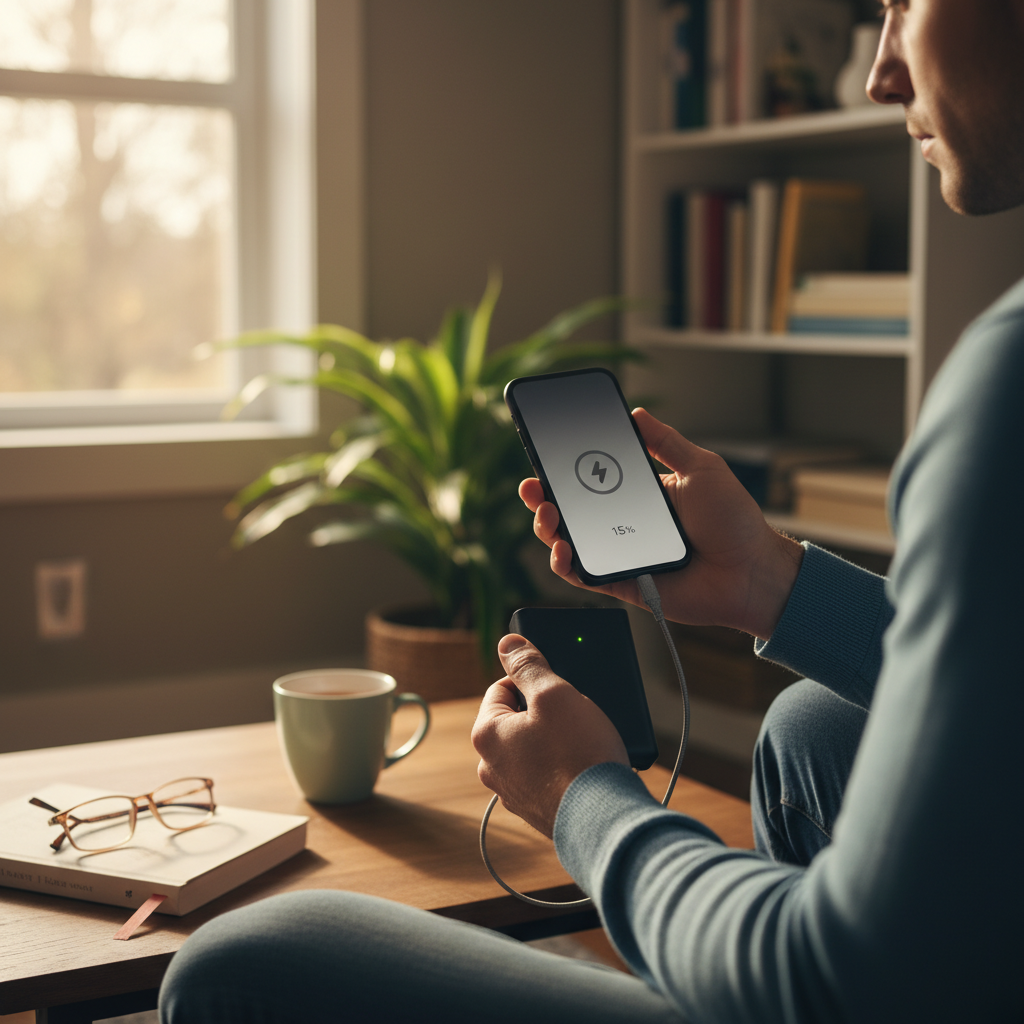
Let’s be real, a phone that dies before the day is done is a major headache. It’s like having a car that runs out of gas every few hours. You miss calls, can’t check emails, and forget everything because you can’t quickly jot down a note. It’s especially frustrating when you know you haven’t been doing anything *that* intensive. You haven’t been gaming for hours, you haven’t been on a marathon video call. So, what’s the deal?
Why Your Phone Battery is Draining Faster Than You Think
First things first, let’s get one thing straight: phone batteries are *designed* to degrade over time. It’s a fact of life, like wrinkles or the inevitable end of a good pizza. But, that doesn’t mean you have to accept it silently. Many things can speed up battery drain, and knowing the culprits is half the battle.
1. That Bright, Beautiful Screen: This is a huge battery hog. The brighter your screen, the more power it consumes. Think of it like your car’s headlights. They make things visible, but they also eat up the battery.
2. Apps Running in the Background: Ah, the sneaky culprits. Many apps, even when you’re not actively using them, are still working in the background, refreshing content, checking for updates, and generally keeping busy. This is why you should regularly close all of the apps that you are not actively using.
3. Location Services Going Wild: These are handy, no doubt, especially for maps and ride-sharing apps. But constant location tracking by various apps can be a major battery drain. It’s like your phone is constantly sending out a search party, looking for your location.
4. Weak or Spotty Signal: Your phone works extra hard when it’s struggling to find a signal. It’s like a car engine revving high, trying to climb a steep hill. The weaker the signal, the more power your phone uses.
5. Old Battery, Old Phone: As mentioned earlier, all batteries degrade over time. After a year or two (or sometimes even less), your battery’s capacity will naturally decrease. An older phone, especially if the battery has been through a lot of charge cycles, might start to drain faster.
6. Push Notifications Galore: Every time you get a push notification, your phone wakes up, and that takes power. Do you really need to know *immediately* that your friend liked your Instagram post, or that there’s a new email in your inbox? Probably not.
What People Usually Do Wrong (and How to Fix It)
Now, let’s talk about the mistakes. We’ve all been there, trying to fix the problem, only to make it worse, or simply waste time. Here are some common pitfalls and what you should do instead.
Mistake 1: Ignoring the Obvious (Screen Brightness)
What people do wrong: They crank up the brightness, especially when outside, without thinking about the cost.
The Fix: Adjust your screen brightness to a level you can comfortably see. Use auto-brightness, which adjusts the screen based on ambient light. It’s a simple change, but it makes a big difference. Believe me, it can save you a bunch of battery.
Mistake 2: Letting Apps Run Wild
What people do wrong: They leave dozens of apps open in the background, thinking it doesn’t matter.
The Fix: Regularly close apps you’re not using. On most phones, you can access the “recent apps” screen and swipe away apps to close them. It sounds like a hassle, but it quickly becomes a habit. It can also improve the overall performance of your phone, not just the battery life. Keep an eye on which apps consume the most power.
Mistake 3: Overlooking Location Services
What people do wrong: They allow every app to track their location constantly, without thinking about it.
The Fix: Go through your app settings and limit location access. Choose “While Using the App” or “Never” for apps that don’t need constant location tracking. For example, does your weather app really need to know where you are 24/7? Probably not.
Mistake 4: Obsessing Over Charging
What people do wrong: Constantly top up their phone to 100%, or let it die completely before charging it.
The Fix: Modern phone batteries work best when kept between 20% and 80%. Deep discharges and constant charging to 100% can actually degrade the battery over time. Avoid extreme heat or cold when charging.
Mistake 5: Blindly Trusting Battery-Saving Apps
What people do wrong: They install random battery-saving apps, hoping for a miracle.
The Fix: Many of these apps don’t do much, and some can even cause problems. Your phone’s built-in battery settings offer the best options. Usually, you can find them in your phone’s settings under “Battery” or “Device Care.”
Step-by-Step Fixes for a Longer-Lasting Battery
Alright, let’s get down to the nitty-gritty. Here’s a practical, step-by-step guide to improve your phone’s battery life.
Step 1: The Basics (Check Your Settings)
- Screen Brightness: Lower it. Use auto-brightness.
- Display Timeout: Set a short display timeout (e.g., 30 seconds) so your screen turns off quickly when you’re not using it.
- Dark Mode: If your phone has an OLED screen, using dark mode can save battery.
Step 2: App Management
- Close Unused Apps: Regularly close apps running in the background.
- Background App Refresh: On iPhones, go to Settings > General > Background App Refresh. Disable this for apps that don’t need it.
- Update Apps: Keep your apps updated. Developers often release updates that improve battery efficiency.
Step 3: Location Services Lockdown
- Go to Settings > Privacy > Location Services.
- Review App Permissions: Change location access for apps to “While Using the App” or “Never.”
- System Services: In Location Services, look at “System Services” and disable any location-based services you don’t need.
Step 4: Notifications & Connectivity
- Manage Notifications: Turn off notifications for apps you don’t need to be immediately alerted about.
- Wi-Fi & Bluetooth: Turn these off when you’re not using them. They constantly scan for networks and devices, draining your battery.
- Airplane Mode: If you’re in an area with a weak or no signal, turn on Airplane Mode. This prevents your phone from constantly searching for a signal.
Step 5: Battery Saver Mode
- Use Battery Saver: Most phones have a battery saver mode that limits background activity and other power-hungry features.
- Customize Battery Saver: Check your phone’s settings to see what you can customize within battery saver mode.
When to Call in the Professionals (and When You Can DIY)
Most battery drain issues can be solved at home with a bit of tweaking. However, there are times when you might need professional help.
DIY Fixes: Follow the steps above. If these changes improve your battery life, you’re good to go.
When to Consider Professional Help:
- Battery Replacement: If your battery is old (2-3 years) and the phone drains quickly even after trying all the fixes, it might be time for a battery replacement.
- Hardware Issues: If your phone is physically damaged or has other hardware problems, a professional repair is needed.
- Unexplained Drain: If the battery drain is sudden and unexplained (and you’ve ruled out all the common causes), there might be a software or hardware problem that requires expert diagnosis.
Before you go for professional help, make sure you have backed up the important files and data.
Long-Term Prevention: Keep Your Phone Happy
So, you’ve fixed the immediate battery drain. Great! But how do you prevent it from happening again? Here are some simple habits to adopt.
- Charge Smart: Avoid letting your phone die completely. Keep it charged between 20% and 80%.
- Avoid Extreme Temperatures: Don’t leave your phone in a hot car or in direct sunlight.
- Clean Up Regularly: Close unused apps, and clear your cache occasionally.
- Update Your Software: Keep your phone’s operating system updated. Updates often include battery optimizations and security improvements.
- Review Your Apps: Every few months, go through your apps and delete any you no longer use.
- Mind the “Little Things”: Pay attention to the settings we have discussed in the guide. Regularly check your screen brightness, location services, and app settings. These small actions contribute to a healthy phone and extend its life.
By following these tips, you can extend your phone’s battery life and make sure it stays alive when you need it most. No more midday panic, no more wall-hugging. Just a phone that keeps up with your life.
Frequently Asked Questions About Phone Battery Drain
1. Why does my phone battery drain so fast even when I’m not using it?
Apps running in the background, location services, and a weak signal are the most common culprits. Check your app settings, location permissions, and turn off Wi-Fi or Bluetooth when you’re not using them.
2. Is it bad to charge my phone overnight?
Modern phones are designed to stop charging when the battery reaches 100%. However, avoid letting your phone sit at 100% for long periods. Try to disconnect it once it’s fully charged.
3. Should I use a fast charger?
Fast chargers are convenient, but they can generate more heat. While they generally won’t damage your battery, use them in moderation. For everyday charging, a standard charger is fine.
4. Do battery-saving apps actually work?
Many battery-saving apps don’t offer significant benefits and can sometimes cause problems. The best battery-saving features are usually built into your phone’s operating system.
5. How often should I replace my phone’s battery?
A typical phone battery lasts for 2-3 years, depending on usage and charging habits. If you notice a significant drop in battery life, especially after a couple of years, it might be time for a replacement.
6. Does using dark mode really save battery?
Dark mode can save battery on phones with OLED screens because the pixels are turned off for black areas. The savings are usually modest, but every bit helps.
7. Why does my phone get hot when I’m using it?
Heat is a byproduct of your phone’s processor working hard. Intensive tasks like gaming, video streaming, and using GPS can cause your phone to heat up. If your phone gets excessively hot, let it cool down and avoid using it until it does.
8. Can I replace the battery myself?
It depends on your phone model. Some phones have user-replaceable batteries, while others require professional service. If you’re not comfortable opening your phone, it’s best to take it to a repair shop.