
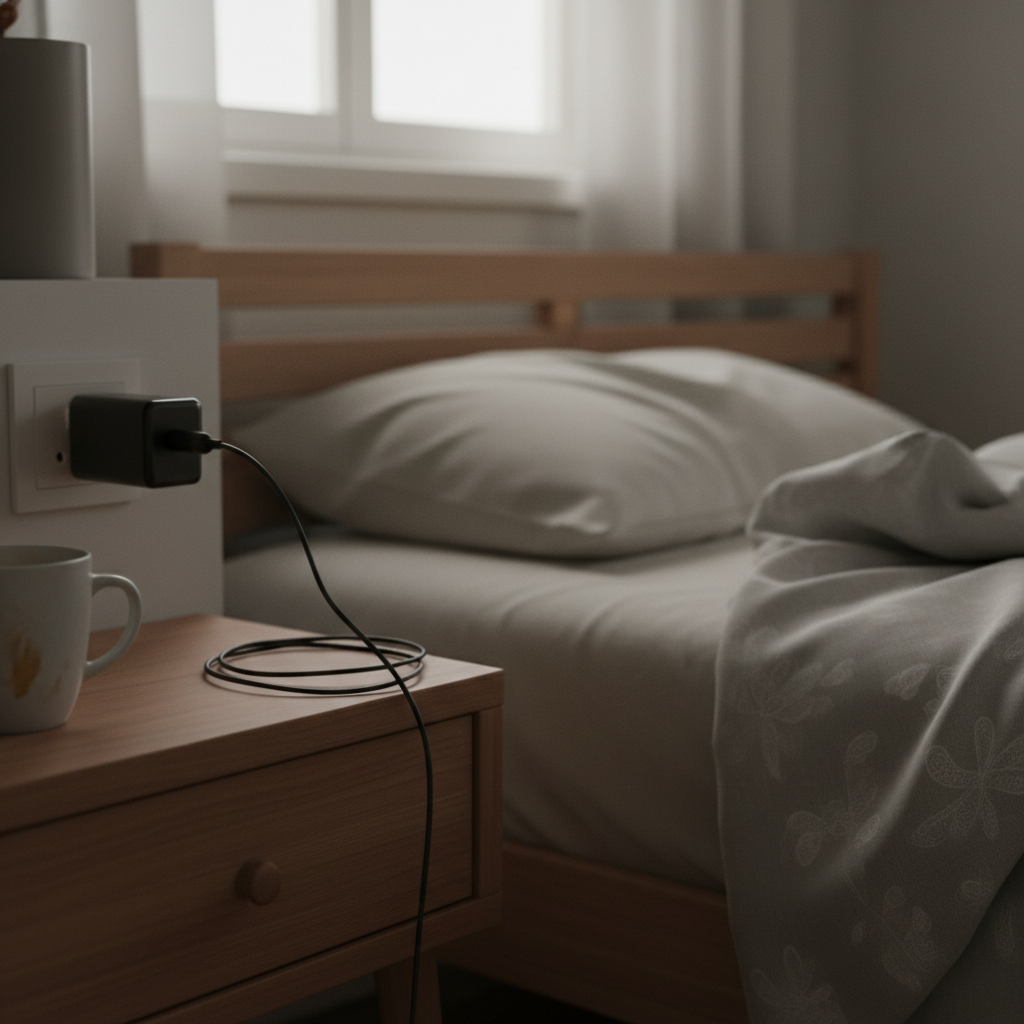
How many times have you absentmindedly unplugged your phone, tossed it on the table, and left the charger plugged into the wall? Probably a lot, right? I know I used to. It’s such a common thing, we don’t even think twice about it. We’re busy, distracted, and honestly, a little bit lazy when it comes to these small things. But that little habit, that plugged-in charger, is actually a sneaky culprit in a few more problems than you might realize.
The Silent Energy Drain: Phantom Load
The first thing to understand is “phantom load,” also known as “vampire power.” Even when your phone isn’t connected, that charger is still drawing electricity. It’s a small amount, yeah, but it’s consistent. Think of it like a tiny leak in a pipe. Over time, even a small leak can empty a whole reservoir. Your charger is quietly sucking up energy, even when it’s just sitting there, waiting for its next victim (your phone!). You’re paying for this wasted energy, month after month, year after year.
Now, I know what you might be thinking: “It’s just a tiny bit of power, what’s the big deal?” And you’re right, individually, a single charger probably isn’t going to break the bank. However, when you multiply that by all the chargers in your home – phone, tablet, laptop, smart watch, Bluetooth speaker, etc. – it starts to add up. Then factor in the chargers in all the homes in your neighborhood, your city, your country… see how it adds up on a large scale?
More Than Just Your Electricity Bill
So, the extra cost on your electricity bill is the obvious one. But that plugged-in charger is affecting more than just your wallet. It contributes to overall energy waste, which has environmental consequences. The power plants generating that electricity often burn fossil fuels, contributing to pollution and climate change. Every little bit we can do to conserve energy helps.
There’s also the potential for fire hazard, though rare. Chargers, especially older ones, can overheat if left plugged in for extended periods. While most modern chargers have safety features, it’s not a risk worth taking. I remember my dad always told me, “Better safe than sorry!” and this is one of those times that saying rings true. I have a friend whose charger literally melted when left plugged in too long, luckily it didn’t cause a fire but it could have been a whole different story.
Tech Habits and Device Lifespan
Leaving chargers plugged in also affects the lifespan of your devices – indirectly. The constant use and subsequent charging cycle of your phone puts stress on its battery. Now this has nothing to do with leaving the charger plugged in, I am just saying, that when you get your charger, the charger should be reliable, and of good quality. You can always check out the Energy System site to find ways to have a better and more efficient household. If your charger is of poor quality, it might deliver inconsistent power, which can shorten the battery’s lifespan. And, let’s face it, replacing a phone battery, or even the whole phone, isn’t cheap.
Common Mistakes and Myths
Let’s bust a few myths and common mistakes:
- Myth: “My charger only uses power when the phone is connected.” Nope. As we’ve discussed, it draws power even when nothing is plugged in.
- Mistake: Leaving chargers plugged in all over the house. This is a surefire way to rack up those phantom load costs.
- Myth: “It’s okay if the charger feels cool.” While a cool charger is generally a good sign, it doesn’t mean it’s not drawing power. The waste is still there.
Easy Tips to Break the Habit
Okay, so it sounds like a lot, but don’t get overwhelmed! Here’s how to make a change without a massive lifestyle overhaul:
- Unplug after charging: This is the simplest and most effective tip. Make it a habit, just like brushing your teeth.
- Use a power strip: Plug multiple chargers into a power strip and switch it off when not in use. This makes it super easy to cut off the power to several devices at once.
- Smart power strips: Some power strips have smart features, like automatic shut-off when devices are fully charged, or even remote control via your phone.
- Declutter: Keep chargers where you use them most. If you have chargers in rooms you rarely use, consider consolidating them.
Why It Matters Even More in Today’s Tech World
In 2026, we’re surrounded by more connected devices than ever. Smart homes, smart appliances, wearables… everything needs to be charged. This means more chargers, more phantom load, and a greater impact on your energy consumption. Being mindful of these small habits is more important than ever. I mean, think of the cost you will save, and how much greener your home is!
Long-Term Benefits: Peace of Mind and Savings
Making a few simple changes can lead to a range of benefits. Here’s what you can expect:
- Lower electricity bills: This is the most immediate and tangible benefit.
- Reduced environmental impact: By saving energy, you’re doing your part for the planet.
- Increased device lifespan: Proper charging habits help protect your tech investments.
- Fire safety: Reducing the risk of electrical hazards brings peace of mind.
- A feeling of control: Taking control of these small details makes your life feel more organized and less chaotic.
Frequently Asked Questions
Here are some of the questions people usually have about this:
- Does unplugging my charger *really* make a difference? Absolutely! Even a small amount of savings adds up over time.
- Are all chargers created equal when it comes to phantom load? No. The amount of power drawn varies. Older chargers tend to be less efficient.
- Is it safe to leave my phone plugged in overnight? Modern phones and chargers are designed to stop charging when the battery is full. However, it’s still best to unplug when it’s fully charged.
- Will a smart power strip really save me money? Yes! While there’s an initial cost, they can pay for themselves over time by eliminating phantom load.
- Should I be concerned about the quality of my charger? Yes. Use chargers from reputable brands to ensure safety and efficiency.
- How do I find out how much power my charger uses? You can buy a “kill-a-watt” meter to measure the energy consumption of your devices.
- Is it okay to use a generic or off-brand charger? It’s generally safer to use the charger that came with your device or a charger from a well-known brand. Off-brand chargers may not meet safety standards.
So, next time you’re about to leave that charger plugged in, take a second. Unplug it. It’s a small action, but it makes a difference. You might be surprised at how good it feels to take a little more control, save a bit of money, and have a little more peace of mind in your day.