
We all do laundry, right? It’s one of those chores that just blends into the background of daily life. Toss clothes in, add soap, press a button, and hope for the best. Most of us don’t give it a second thought – until something goes wrong. And often, those problems stem from habits we don’t even realize are hurting our washing machines (and our wallets!).
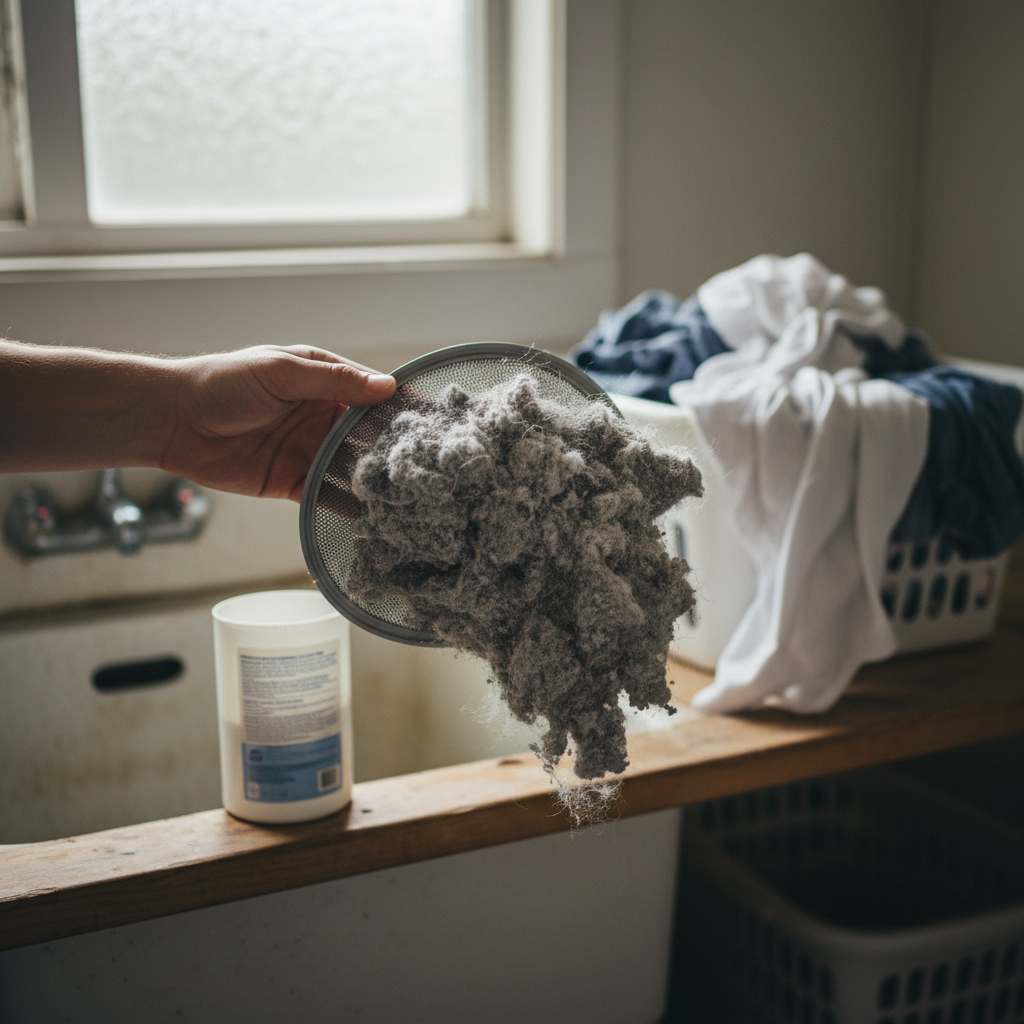
The Sneaky Ways We’re Shortening Our Washing Machine’s Life
Think about your usual laundry routine. Do you…
- Stuff the machine too full?
- Use too much detergent?
- Skip cleaning the machine itself?
- Leave wet clothes sitting for hours?
If you answered “yes” to any of these, you’re not alone! These are incredibly common mistakes. But each one quietly contributes to a shorter lifespan for your machine, higher energy bills, and even potential home hazards. Let’s break down how these seemingly small habits cause big problems.
Overloading: The Overlooked Overachiever
We’re all tempted to cram as much laundry as possible into a single load, right? Saves time, saves effort. But overloading your washing machine is a recipe for disaster. It stresses the motor, strains the belts, and makes it harder for the machine to properly clean your clothes.
Imagine trying to run a marathon while carrying a heavy backpack. Your machine feels the same strain. Over time, this leads to premature wear and tear, meaning more frequent repairs, or eventually, a whole new machine. And with washing machines costing upwards of $800-$1,200 (and often more for higher-end models), that’s a significant hit to your budget.
Detergent Dilemmas: The Soap Opera
We’ve all seen those commercials promising sparkling clean clothes. And what do they show? A generous pour of detergent! But using too much detergent is a mistake most of us make. Excess detergent doesn’t actually clean your clothes better. Instead, it leaves residue behind, which can:
- Clog your machine’s dispenser.
- Cause mold and mildew to grow inside.
- Leave your clothes feeling stiff and scratchy.
Over time, this buildup can damage your machine’s internal components and even lead to expensive repairs. Plus, you’re essentially wasting money on detergent that’s not doing its job. Think about it: a bottle of detergent might cost $15-$25. Using double the recommended amount means you’re effectively paying double, and for what?
The Forgotten Cleaning: When Did You Last Clean Your Washing Machine?
We clean our clothes, but what about the machine that cleans them? Many of us forget (or simply don’t know) that washing machines need regular cleaning. Soap scum, mineral deposits from hard water, and even lingering bits of laundry detergent can build up over time.
This buildup creates the perfect environment for mold and mildew to thrive, leading to unpleasant odors, reduced cleaning performance, and even potential health issues. You should ideally clean your machine every month. It’s usually as simple as running an empty cycle with a washing machine cleaner or a mixture of vinegar and baking soda.
The Lingering Load: The Problem with Damp Clothes
We’ve all been there: a load of wet clothes sits in the machine for hours. Maybe you got distracted, or life just got in the way. But leaving wet clothes in the washing machine for too long is a breeding ground for mold and mildew. These microorganisms can damage your machine and make your laundry smell less than fresh. It can also cause rust and corrosion on the metal parts of your machine.
The solution? Make it a habit to transfer your clothes to the dryer (or clothesline) as soon as the wash cycle is complete. If you know you’ll be away, consider using the delayed start function on your machine to have the wash finish just before you get home.
How These Habits Affect Your Daily Life
So, we’ve talked about what goes wrong inside the machine. But how do these habits really impact your day-to-day life? Here’s the breakdown:
- Device Life: The most obvious impact is on your washing machine’s lifespan. Poor habits accelerate wear and tear, leading to more frequent repairs or the need to replace your machine sooner.
- Home Safety: Mold and mildew growth can trigger allergies and respiratory issues. Excess moisture can also contribute to structural damage in your laundry area. Faulty machines can pose an electrical hazard.
- Electricity Bills: Inefficient machines use more energy, and overloading the machine makes it work harder, also increasing energy consumption. This translates to higher utility bills.
- Daily Convenience: Dealing with a broken washing machine is a major inconvenience. It disrupts your routine, forces you to hand-wash clothes, and adds stress to your already busy life.
Common Myths and Shortcut Tips: Busted!
The internet is full of laundry advice, and some of it is less than helpful. Let’s debunk a few common myths:
- Myth: “More detergent equals cleaner clothes.” Reality: Too much detergent leaves residue and can damage your machine.
- Myth: “You don’t need to clean your washing machine.” Reality: Regular cleaning is essential to prevent mold, mildew, and buildup.
- Myth: “Any washing machine cleaner will do.” Reality: Choose a cleaner specifically designed for your machine type (HE vs. standard) and follow the instructions carefully.
- Myth: “It’s okay to overload the machine occasionally.” Reality: Even occasional overloading can cause damage over time.
Simple Tips to Upgrade Your Laundry Game (and Save Money)
Here’s the good news: fixing these habits is simple. Here are some actionable tips:
- Read Your Manual: Seriously! Your machine’s manual has important information about load sizes, detergent recommendations, and cleaning instructions.
- Measure Your Detergent: Use the recommended amount. Consider using less if you have soft water.
- Clean Regularly: Schedule a monthly cleaning cycle. It only takes a few minutes, and it makes a huge difference.
- Don’t Overload: Follow the manufacturer’s guidelines for load size. Your clothes will get cleaner, and your machine will last longer.
- Empty the Machine Promptly: Transfer clothes to the dryer as soon as the wash cycle is complete.
- Check Your Hoses: Inspect the hoses for leaks or cracks regularly. A burst hose can cause major water damage.
Why These Habits Matter More in the 2026 Tech-Heavy World
In our hyper-connected world, we rely on technology more than ever. Our washing machines are no exception. Many newer models have smart features and advanced technology. This makes it even more crucial to take care of these appliances.
A breakdown in 2026 means potential disruptions to your smart home ecosystem. Imagine your laundry schedule syncing with your smart home setup, only to be thrown off by a faulty machine. Plus, with the increasing focus on sustainability, extending the life of your appliances is good for the environment and your wallet.
Long-Term Benefits: Peace of Mind and Practical Savings
Making small changes to your laundry habits today can have a significant impact on your life. Here’s what you can look forward to:
- Reduced Repair Costs: A well-maintained machine is less likely to break down.
- Lower Energy Bills: Efficient machines save you money on your electricity bill.
- Cleaner Clothes: Using the right amount of detergent and cleaning your machine regularly ensures your clothes come out fresh and clean.
- Peace of Mind: Knowing you’re taking care of your appliances and home gives you one less thing to worry about.
- Extended Machine Lifespan: You won’t have to shop for a new machine as soon.
It’s all about adopting small, consistent habits. It is one of those things which we all do, and it is easy to forget about. But once you make these changes, everything feels easier – from washing day to saving money, and enjoying clean clothes.
Frequently Asked Questions About Washing Machine Care
Here are some common questions people ask about washing machine maintenance, with simple, experience-backed answers:
Q: How often should I clean my washing machine?
A: Aim to clean your washing machine at least once a month. This helps prevent mold, mildew, and buildup.
Q: What kind of detergent should I use?
A: Follow your machine’s manual. High-efficiency (HE) machines require special low-sudsing detergents.
Q: How can I tell if I’m using too much detergent?
A: If you see suds after the rinse cycle, or if your clothes feel stiff, you’re likely using too much detergent.
Q: What are the signs that my washing machine is failing?
A: Unusual noises, leaks, clothes not getting clean, and a musty smell are all warning signs. If you notice any of these, have your machine checked by a professional.
Q: Can I use vinegar to clean my washing machine?
A: Yes! Vinegar is a great natural cleaner. Run an empty cycle with white vinegar to help remove buildup.
Q: What do I do if my washing machine smells musty?
A: Clean your machine thoroughly, including the detergent dispenser and rubber seal. Make sure to leave the door open after each use to allow the machine to air out.
Q: Is it safe to leave wet clothes in the washing machine overnight?
A: No, it is not recommended. This can lead to mold and mildew growth, and can damage your clothes and your machine.
Q: My clothes are still dirty after washing. What’s wrong?
A: There are several reasons this could happen: you might be overloading the machine, using too little detergent, or your machine may need cleaning. Also, make sure your water supply is adequately hot, and your machine is connected to a proper water supply.