
We all do it, right? Plug in the phone before bed, leave it charging all day in the car, or top it up whenever a convenient plug is near. It’s become second nature, a habit we hardly think about. But what if I told you these everyday charging rituals are quietly impacting more than just your phone’s battery life?
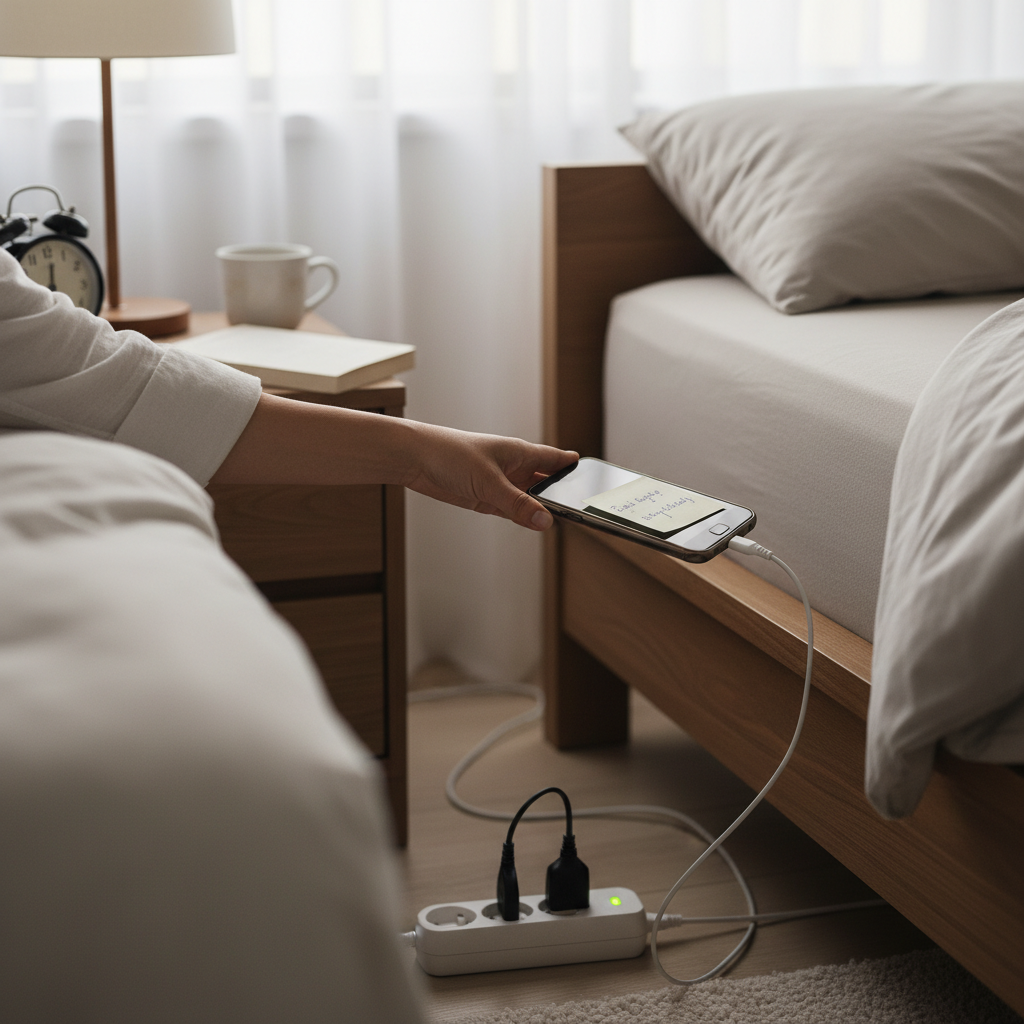
Most of us don’t give a second thought to how we charge our phones. We assume, “it’s a smartphone, it’s supposed to handle it.” And to an extent, that’s true. Modern phones have smart charging systems. But the way we charge our phones still matters, maybe even more in our tech-dependent lives.
The Small Habit, Big Problems
Here’s what I mean. Think about it: leaving your phone plugged in overnight, every night. Or, charging it for small bursts throughout the day. These seemingly harmless habits can lead to problems we often overlook. They can affect device life, your home’s electrical bill, and even create potential safety hazards.
Device Life: The Battery Blues
The lithium-ion batteries in our smartphones have a limited lifespan. Every time you charge and discharge them, there’s a little bit of degradation. Constant “trickle charging” — topping off the battery when it’s already mostly full — puts extra stress on the battery. This can lead to reduced capacity over time, meaning your phone starts holding less and less charge. You’ll find yourself needing to charge more frequently, and eventually, the battery will need to be replaced.
Did you know that heat is a battery’s worst enemy? When a phone is charging, it generates heat. Leaving it plugged in for extended periods, especially overnight, can expose it to excessive heat, speeding up battery degradation. This is particularly true if you’re charging your phone in a hot car or under a pillow. Think about it: a hot phone struggling to charge… not a good combo.
Home Safety: The Overlooked Risk
Leaving electronics plugged in all the time does come with risks, however small. While modern phones and chargers have safety features, there’s always a slight chance of overheating or electrical surges. This risk is amplified if you’re using a cheap, generic charger or a power strip that’s overloaded. It’s rare, but a faulty charger can potentially lead to a fire. Even if nothing major happens, constant power consumption adds up, and it’s a waste of energy.
Electricity Bills: The Hidden Cost
We’re talking pennies here, not major expenses, but the habit of constantly charging your phone does contribute to your electricity bill. Even when a phone is fully charged, it still draws a small amount of power if it’s left plugged in. This “phantom load” adds up over time, costing you a bit extra each month. It’s not a huge amount, but every little bit counts, especially with rising energy costs. I like to think of it as “death by a thousand tiny cuts” to your wallet.
Common Mistakes We Make Without Realizing
Let’s be real, we’ve all done these! Here are some common charging mistakes and why they’re not so smart:
- Charging Overnight: This is probably the biggest offender. It’s convenient, sure, but it exposes your phone to excessive heat and strain on the battery.
- Using Cheap Chargers: Those generic chargers you find at the corner store? They may not have the same safety features or quality control as the original charger or a reputable brand.
- Charging in Hot Places: Leaving your phone charging in direct sunlight, in a car on a hot day, or under a blanket is a recipe for battery damage.
- Constantly Topping Up: Charging your phone for short bursts throughout the day, without letting it fully discharge, can be surprisingly damaging to your phone’s battery.
- Ignoring Battery Health: Many phones have built-in battery health features. Ignoring them can mean you miss the warning signs of battery degradation.
Busting Myths and “Quick Fixes”
You may have heard a lot of advice floating around. Let’s debunk some common myths:
- Myth: “You should always charge your phone to 100%.” Reality: Not always. For lithium-ion batteries, it’s often better to keep the charge between 20% and 80%.
- Myth: “Use your phone until it dies, then charge it to 100%.” Reality: Letting your phone completely drain regularly can stress the battery.
- Myth: “Fast charging always damages the battery.” Reality: Fast charging itself isn’t inherently bad, but it can generate more heat. Make sure your phone and charger are compatible.
Simple Tips to Protect Your Phone and Your Wallet
Here’s how to change your charging habits for the better:
- Charge Smart, Not Always: Don’t let it drain completely, and avoid charging it to 100% every time. Aim for the 20%-80% range whenever possible.
- Unplug When Fully Charged: Once your phone hits 100%, unplug it. If you need a phone overnight, consider an outlet timer.
- Use Quality Chargers: Stick with the charger that came with your phone or a charger from a reputable brand.
- Avoid Extreme Temperatures: Don’t charge your phone in hot cars or direct sunlight.
- Monitor Battery Health: Check your phone’s battery health settings regularly. Many phones tell you when the battery needs service.
- Consider a Smart Power Strip: These power strips cut off power to devices once they’re fully charged.
These adjustments may seem small, but the cumulative effect is significant. You’ll be surprised at how much longer your phone’s battery lasts and how much money you save on your electric bill.
Why These Habits Matter More in 2026
We are living in a super-connected world. Our smartphones are more than just phones; they’re our cameras, our navigators, our wallets, and our entire digital lives. Battery life and device longevity are more critical than ever. We rely on our phones for everything. Avoiding the bad charging habits is crucial in today’s world.
Beyond our smartphones, we have smart home devices, tablets, laptops, and more. All these devices need charging. Being mindful of these habits expands to more than just our phones. We have to consider the safety and efficiency of how we power all our devices.
The Long-Term Benefits: Peace of Mind, Savings, and Fewer Breakdowns
Changing these small charging habits will bring some big rewards:
- Extended Device Life: Your phone’s battery will last longer, and you won’t have to replace your phone as often.
- Reduced Costs: You’ll save money on electricity bills and avoid the expense of replacing batteries.
- Improved Safety: You’ll reduce the risk of electrical hazards in your home.
- Peace of Mind: You’ll have less worry about your devices and enjoy a more efficient lifestyle.
It’s all about making small, sustainable changes to your daily life. It’s not about becoming a charging fanatic, but just about being a bit more mindful. You’ll be surprised at how much better you feel knowing you’re taking care of your devices and home.
FAQ: Your Charging Questions Answered
Here are some of the most common questions people have about charging their phones:
- Is it bad to leave my phone charging overnight? Yes, it can be. While modern phones have safety features, leaving them plugged in overnight exposes the battery to heat and prolonged charging, which can degrade it over time.
- Does fast charging damage my battery? Not necessarily. Fast charging itself isn’t inherently bad, but it can generate more heat. Use a charger designed for your phone and avoid charging in hot conditions.
- Should I let my phone completely die before charging it? No. Letting your phone’s battery drain to zero regularly can be hard on it. Aim to charge your phone before it dips below 20%.
- What’s the best way to charge my phone? The sweet spot is keeping the battery between 20% and 80%. Unplug it once it’s fully charged, and avoid extreme temperatures.
- Can I use any charger for my phone? It’s best to use the charger that came with your phone or a reputable brand’s charger. Cheaper chargers may not have the same safety features.
- How often should I replace my phone’s battery? That depends on how you use your phone, but most batteries start to degrade noticeably after 2-3 years. Check your phone’s battery health settings for guidance.
- Do smart plugs really save money? Yes. Smart plugs can help cut down on “phantom load” by cutting off power to devices when they’re not in use.
- My washing machine isn’t draining, and I can’t charge my phone. What should I do? Sometimes life throws a curveball. Try not to stress. Check out this guide for help: My Washing Machine Isn’t Draining! A Real-World Guide to Clearing the Clogs (and Your Frustration), to help you get your washing machine back on track.
So, the next time you reach for that charger, take a moment to consider the small changes that will make a big difference. Your phone, your wallet, and your peace of mind will thank you.