
We all open the fridge multiple times a day. Grabbing a quick snack, checking for leftovers, or just staring blankly, hoping inspiration strikes. It’s such a routine thing, we rarely give it a second thought. But those seemingly innocent fridge visits could be costing you more than you realize. This isn’t about some fancy new appliance or a complicated energy audit; it’s about the everyday habits that, when combined, create a real drain on your wallet and energy consumption.
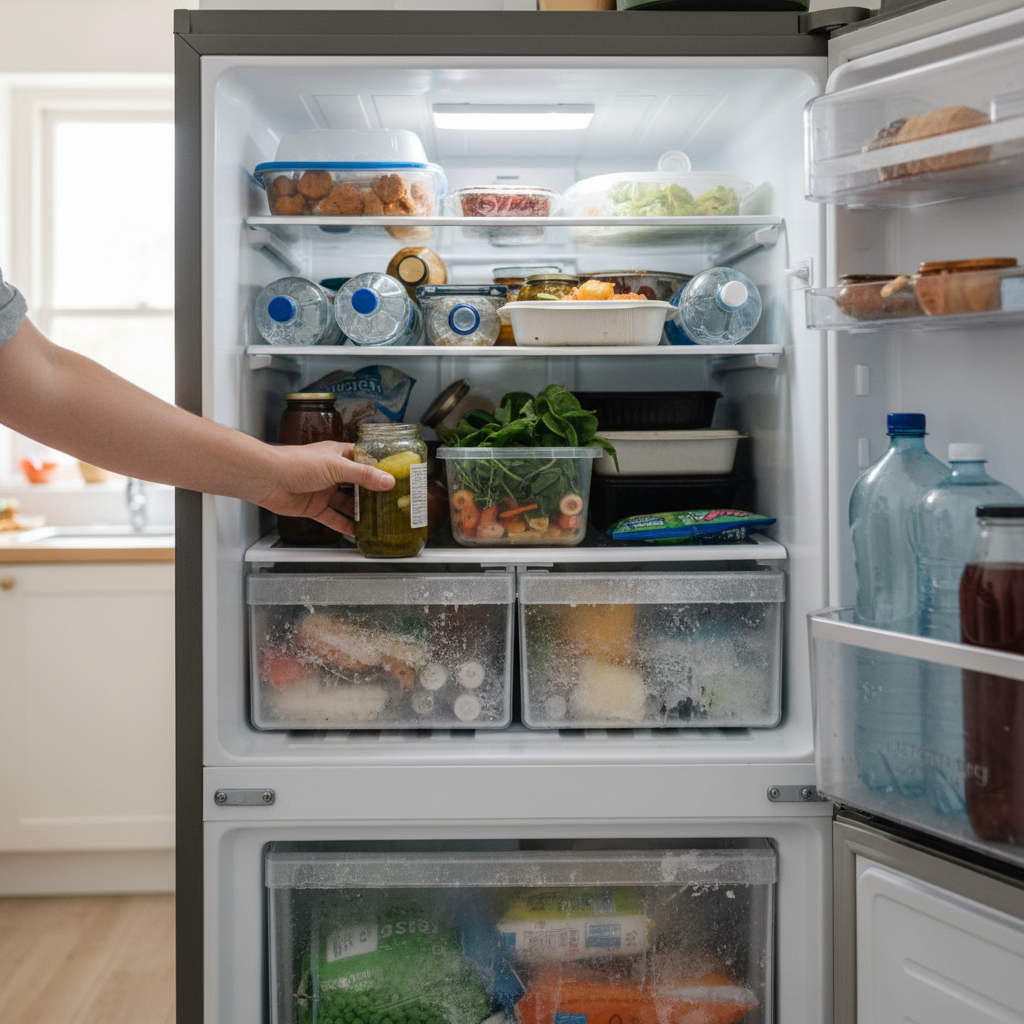
The Sneaky Ways Your Fridge is Eating Up Electricity
Most people don’t notice this until their electricity bill arrives. And then, there’s the frustration of a fridge that seems to be constantly struggling to keep things cold. That little white box in your kitchen is actually a pretty complex machine, and how you treat it directly impacts its efficiency and lifespan. Here’s a breakdown:
- Frequent Door Openings: Every time you open the fridge door, a rush of warm air enters, forcing the appliance to work harder to maintain its internal temperature. That extra effort consumes more energy.
- Overcrowding: A packed fridge restricts airflow. Cold air needs to circulate to keep everything evenly chilled. When items are crammed together, it creates “dead zones” where food spoils faster, and the fridge strains to compensate.
- Warm Food Directly Inside: Putting hot or even warm food directly into the fridge is a big no-no. It dramatically increases the internal temperature and forces the compressor to work overtime.
- Dirty Seals: The rubber seals around your fridge door are crucial for maintaining a tight seal. Over time, these seals can get dirty, worn, or damaged, allowing cold air to escape and warm air to seep in.
- Old and Inefficient Models: Older refrigerators are often less energy-efficient than newer models. They may consume significantly more electricity to do the same job.
This small habit quietly causes a chain reaction. The more energy your fridge uses, the higher your electricity bill. But it doesn’t stop there. Over time, this constant strain can shorten the lifespan of your fridge, leading to premature breakdowns and the cost of repairs or replacements.
Common Fridge Mistakes You Might Be Making
Let’s face it; we’ve all been guilty of some of these. But knowing is half the battle:
- The “Door Open Stare”: Spending too long with the door open while deciding what to eat.
- Stuffing Leftovers in Without Cooling: Quickly shoving hot leftovers straight into the fridge to “cool down”.
- Ignoring the Seals: Never checking or cleaning the door seals.
- Overfilling the Shelves: Cramming everything in, leaving no space for air circulation.
- Not Checking the Temperature: Assuming your fridge is at the right temperature without verifying.
Busting Fridge Myths and Bad “Tips”
The internet is full of quick fixes, but not all of them are helpful:
- Myth: “Wrapping food tightly in plastic wrap prevents energy loss.” While wrapping helps with food preservation, it doesn’t significantly impact energy consumption.
- Myth: “Leaving the fridge door slightly ajar overnight to let it ‘breathe’ can improve performance.” This is a terrible idea and a waste of energy.
- “Shortcut Tip”: “Buying a fancy air filter for your fridge will save energy.” Air filters can help with odors, but they won’t make a meaningful difference in energy efficiency.
Simple Fridge Habits to Adopt in 2026 and Beyond
Luckily, making these changes doesn’t require a complete kitchen overhaul. It’s about small, consistent adjustments:
- Plan Your Fridge Visits: Before opening the door, take a moment to decide what you want. This minimizes the time the door is open.
- Cool Food Before Storing: Let hot food cool down to room temperature before putting it in the fridge.
- Clean Those Seals: Regularly wipe down the door seals with warm, soapy water to ensure they’re clean and sealing properly.
- Organize Smartly: Arrange your fridge so you can easily see and access items. Leave space for air to circulate.
- Use the Right Temperatures: Set your fridge temperature to between 37°F and 40°F (3°C and 4°C). The freezer should be at 0°F (-18°C).
- Check for Leaks: Ensure the fridge door closes properly, and that there are no gaps. Replace the seals if needed.
- Consider a Fridge Thermometer: Place a fridge thermometer inside to monitor the actual temperature.
- Defrost Regularly (for certain models): If you have a fridge that requires manual defrosting, do it regularly to prevent ice buildup.
Why These Habits Matter More in 2026
In our increasingly tech-heavy lives, we’re all looking for ways to save money and reduce waste. These simple fridge habits are more important than ever. Think about it: rising energy costs, the increasing focus on sustainability, and the desire to make the most of every appliance. This isn’t just about saving a few dollars; it’s about making conscious choices to live more efficiently.
The average electricity price in [insert current price per kWh] per kWh, according to recent data. Even a small increase in your fridge’s energy consumption can add up significantly over a month.
These tips are also especially relevant if you are working from home, and frequent your kitchen more often than before.
Long-Term Benefits: Peace of Mind, Savings, and Fewer Breakdowns
Once you change these habits, everything feels easier. You’ll likely notice:
- Lower Electricity Bills: You’ll see a tangible difference in your monthly costs.
- Extended Fridge Lifespan: By reducing the strain on your fridge, you’ll help it last longer.
- Reduced Food Waste: Proper storage and temperature control prevent food from spoiling prematurely.
- More Organized Kitchen: A more efficient fridge often leads to a tidier kitchen overall.
- Peace of Mind: Knowing you’re taking care of your appliances and being mindful of energy consumption.
These small changes are not about sacrificing convenience or enjoyment; they are about making smart choices that pay off in the long run. They’re about creating a more efficient and sustainable home environment without drastically changing your lifestyle.
For more insights on how to manage your devices and save on energy, check out this related article: The Unseen Cost of Your Always On Life: Simple Habits for Device Longevity and Lower Bills.
Frequently Asked Questions About Fridge Efficiency
Here are some of the questions people frequently search for:
- How much does it cost to run a fridge per month? It varies depending on the model, size, and your electricity rates. However, a typical fridge can consume anywhere from $10 to $30 worth of electricity per month. This can be higher or lower depending on your habits.
- What is the ideal fridge temperature? The fridge should be set between 37°F and 40°F (3°C and 4°C). The freezer should be at 0°F (-18°C).
- Does a full fridge use more energy? A moderately full fridge is more efficient than an empty one because the food helps retain the cold. However, an overcrowded fridge forces the compressor to work harder.
- How often should I clean my fridge? You should clean your fridge regularly, ideally every month or two, to prevent odors and spills from accumulating.
- How can I tell if my fridge seals are bad? Check for condensation, warm spots, or if the door doesn’t close tightly. You can also test the seal by closing the door on a piece of paper. If you can easily pull the paper out, the seal might need replacing.
- Should I unplug my fridge when I go on vacation? Generally, it’s not recommended to unplug your fridge unless you’ll be gone for an extended period (several weeks or months). This is because the fridge uses a significant amount of energy to cool down again once it’s plugged back in.
- Is it worth buying an energy-efficient fridge? Yes, it often is. Energy-efficient fridges use significantly less energy and can save you money over their lifespan. Consider the Energy Star rating when making a purchase.
- How do I know if my fridge is using too much energy? If your electricity bill seems high, and your fridge is older, it might be using too much energy. Consider using a Kill-A-Watt meter to measure your fridge’s energy consumption.
By implementing these simple fridge habits, you can take control of your energy consumption and enjoy a more efficient and cost-effective kitchen. It’s a small change that can make a big difference in your daily life and your pocketbook. Visit our homepage for more tips on home and tech management.