
We all use them. Every single day. Electrical outlets are so commonplace in our lives that we barely give them a second thought. We plug in our phones, our laptops, the toaster, the TV… the list goes on. But what if I told you that this everyday convenience could be quietly causing problems in your home? Problems you might not notice until it’s too late.
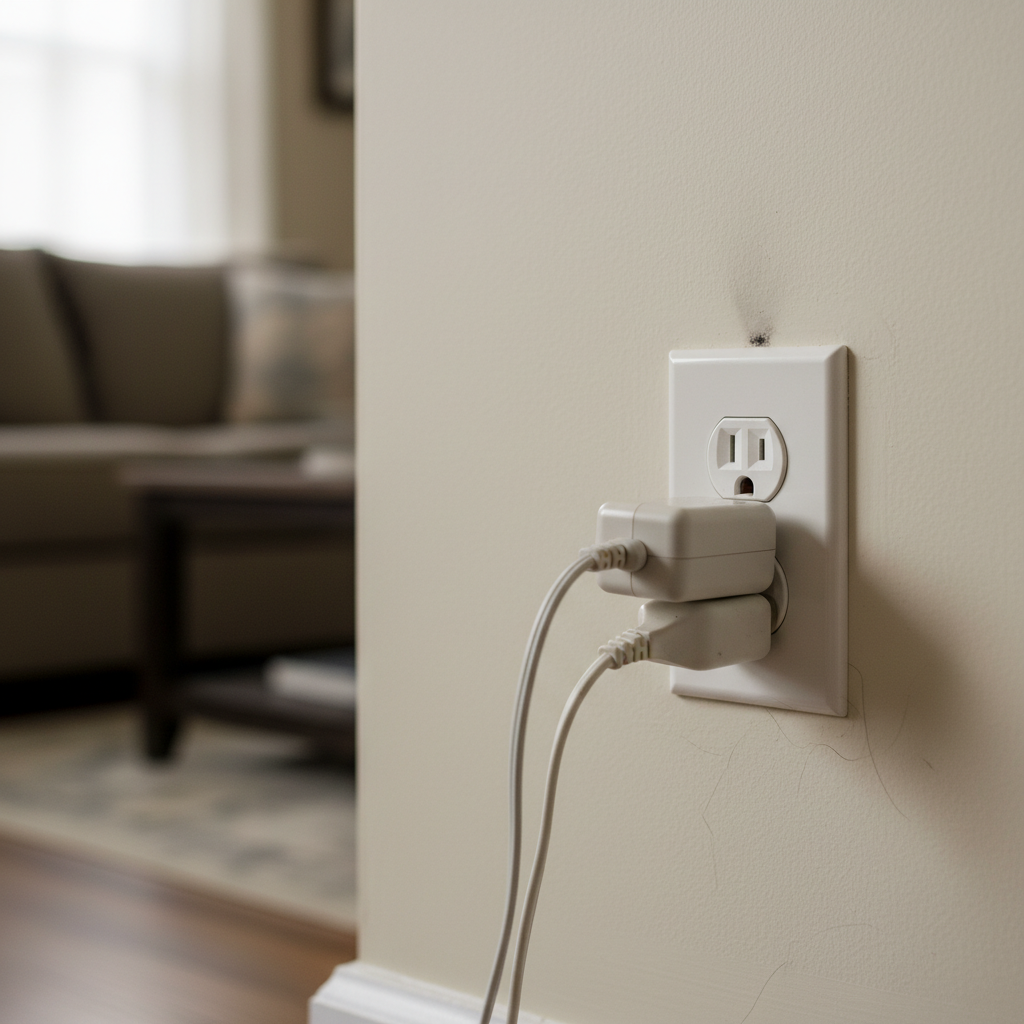
Most people don’t notice their outlets. They just expect them to work. This is understandable. Out of sight, out of mind, right? But this small detail – the condition of your outlets – can have a surprisingly big impact on your device life, your home safety, your electricity bills, and even your daily convenience.
The Silent Drain: How Bad Outlets Affect Your Home
This small habit quietly causes a ripple effect of potential issues. Think about it: a loose outlet can cause intermittent power to your devices, making them work slowly or not at all. This can be frustrating, but it’s also a sign of a bigger problem. Loose connections generate heat, and heat is the enemy of any electrical system. This heat can damage the outlet itself, the plug, and even the wiring in your walls.
Over time, this can lead to:
* Device Damage: Fluctuating power can fry sensitive electronics. Think about your phone charger or your laptop adapter.
* Fire Hazards: Overheated outlets are a major cause of house fires.
* Increased Electricity Bills: Faulty outlets can leak electricity, leading to higher bills. While the amount might seem small initially, it adds up over time.
* Inconvenience: Constantly jiggling plugs or dealing with devices that won’t charge is a daily frustration.
Common Mistakes and Myths
One of the most common mistakes people make is overloading outlets. Plugging too many high-wattage devices into a single outlet or power strip is a recipe for disaster. This forces the wiring to carry more current than it’s designed for, leading to overheating. It’s like trying to force too much water through a small pipe.
Another popular myth is that all outlets are the same. In reality, outlets come in different amperage ratings. Using an outlet with a lower rating than what your appliance needs can also cause problems.
Many people also ignore the signs of a failing outlet, like sparks or a burning smell. These are clear indications of a serious issue that needs immediate attention.
Practical Tips for Safer Outlets
So, what can you do to protect yourself and your home? Here are some simple, practical tips that anyone can apply:
* Inspect Your Outlets Regularly: Give your outlets a visual check every few months. Look for any signs of damage, like cracks, discoloration, or loose-fitting plugs.
* Test the Outlet: Use an outlet tester to ensure your outlets are properly wired and grounded. These are inexpensive and readily available at any hardware store.
* Don’t Overload: Be mindful of how many devices you plug into a single outlet or power strip. Avoid daisy-chaining power strips together.
* Replace Damaged Outlets: If an outlet is damaged or faulty, replace it immediately. It’s a relatively easy DIY project, but if you’re not comfortable with electrical work, call a qualified electrician.
* Consider Child-Proofing: If you have young children, install outlet covers or tamper-resistant receptacles to prevent them from sticking objects into the outlets.
* Unplug When Not in Use: While not always realistic, unplugging devices when not in use can help to reduce energy consumption.
These habits matter more in our 2026 tech-heavy lifestyles. We rely on our devices more than ever before. From smartphones and laptops to smart home gadgets, our homes are filled with electronics that need a reliable power supply. The more devices we have, the greater the risk of electrical problems.
Long-Term Benefits: Peace of Mind and Savings
Once you change this, everything feels easier. By taking a few simple steps, you can significantly reduce the risk of electrical hazards in your home. This leads to peace of mind, knowing that your home and your loved ones are safe.
You can also save money. Preventing device damage means you won’t have to replace expensive electronics prematurely. You might also save on electricity bills by preventing energy leaks.
Regular appliance maintenance, including paying attention to your outlets, is one of the best ways to ensure your appliances last. “Regularly inspect your appliances for any worn or damaged parts, and replace them as needed”.
The benefits go beyond the practical. A safe and efficient home is a more comfortable and stress-free place to live.
FAQ
Here are some frequently asked questions about electrical outlets:
Q: How often should I replace my electrical outlets?
A: There’s no set timeframe, but if you notice any problems, replace them immediately. Otherwise, it’s a good idea to replace them every 10-15 years, or if they show signs of wear and tear.
Q: What should I do if an outlet sparks?
A: Turn off the circuit breaker immediately and call a qualified electrician. This is a sign of a serious electrical problem.
Q: Is it safe to plug a power strip into another power strip?
A: No. This is called daisy-chaining and it can overload the circuit and create a fire hazard.
Q: How do I know if my outlets are grounded?
A: Use an outlet tester. It will indicate if the outlet is properly grounded.
Q: Can I replace an outlet myself?
A: Yes, it’s a relatively simple DIY project. However, if you’re not comfortable working with electricity, it’s best to call a professional.
Q: How much does it cost to replace an electrical outlet?
A: The cost depends on the electrician’s rates and the complexity of the job. You can expect to pay anywhere from $10 to $50 per outlet, plus labor costs if you hire an electrician.
Q: What are the signs of a bad electrical outlet?
A: Some signs are: flickering lights, sparks, burning smell, loose plugs, or outlets that feel warm to the touch.
Q: How can I save money on my electricity bill?
A: There are many ways to save on your electricity bill. Unplugging devices when not in use, using energy-efficient appliances and LED lighting, and optimizing heating and cooling settings can all help to lower energy costs. You could also consider installing a smart thermostat to manage your home’s temperature more efficiently. Check out Decoding the Digital Dial: How a Smart Thermostat Works to learn more. And of course, keep those outlets in good shape!