
Picture this: It’s laundry day, and you’re staring at a mountain of clothes, wondering how they’ll ever get clean. You toss everything into the washing machine, add detergent, and hit start. Hours later, you pull out fresh, clean clothes. But have you ever stopped to think about what actually happens inside that metal box? Let’s dive into the fascinating world of your washing machine and understand the magic behind clean clothes.
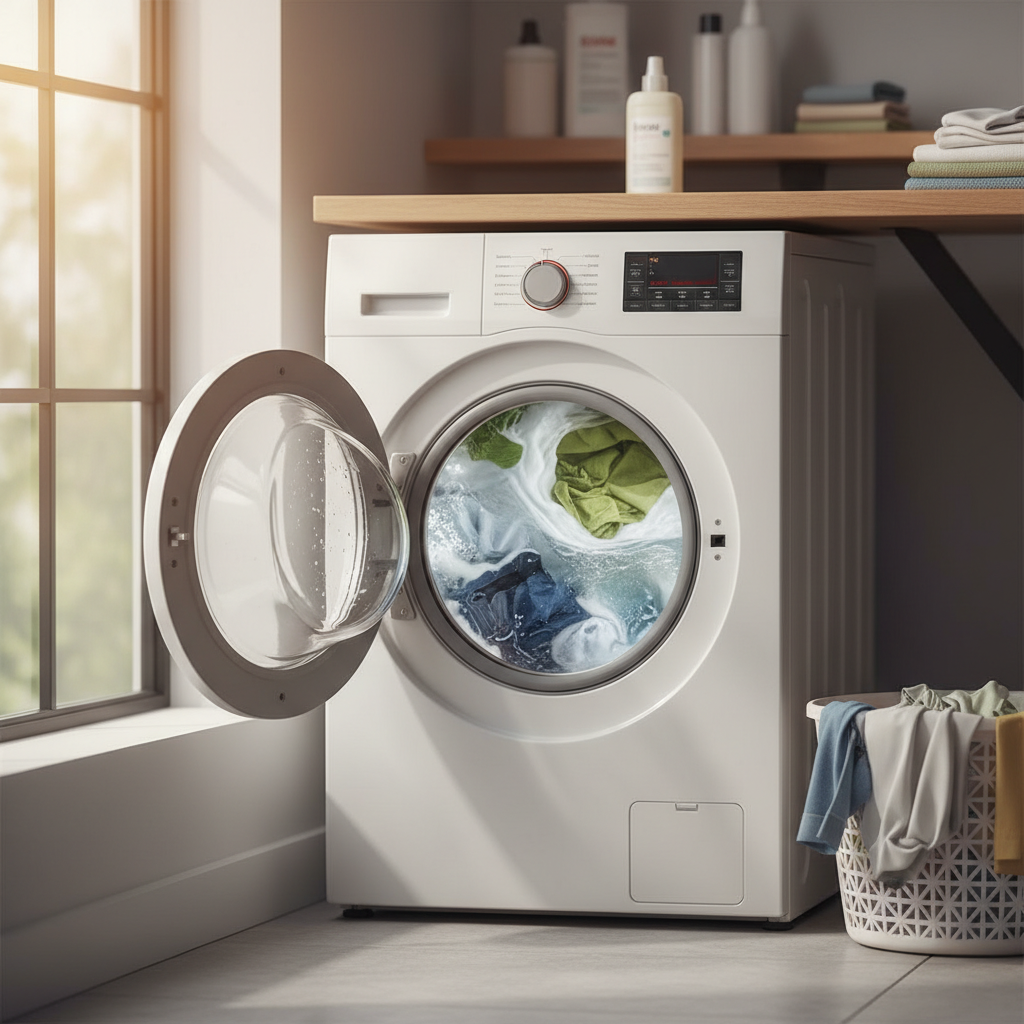
The Big Picture: More Than Just Spinning
At a basic level, a washing machine’s job is to remove dirt and stains from your clothes. It does this through a combination of mechanical action (tumbling and agitating), chemical action (detergent breaking down grime), and thermal action (hot water loosening dirt). But the real beauty lies in how these elements work together, orchestrated by a complex series of parts, each playing a crucial role.
Breaking It Down: The Key Components
To really understand how your washing machine works, let’s break it down into its main parts:
- The Outer Cabinet: This is the sturdy metal shell that houses all the inner workings, protecting you from electricity and water.
- The Inner Tub (Wash Basket): Where the clothes go. It has holes to let water and detergent flow through while containing the clothes.
- The Motor: The powerhouse, providing the energy for spinning and agitating.
- The Water Inlet Valves: These control the flow of hot and cold water into the machine, which are often controlled by a timer or computer.
- The Drain Pump: This expels the dirty water after the wash cycle.
- The Agitator (or Impeller): This is the central post in older top-load machines or a low-profile disc in many newer machines. It moves the clothes through the water.
- The Control Panel: The brain of the operation, allowing you to select wash cycles, water temperature, and other settings.
- The Detergent Dispenser: Holds and dispenses the detergent, fabric softener, and bleach at the right time.
Step-by-Step: The Wash Cycle Unveiled
Let’s follow a typical wash cycle from start to finish to see how these parts work together:
- Filling Up: You select a wash cycle, and the water inlet valves open, filling the inner tub with water. The machine measures the water level based on your selected load size.
- Detergent Delivery: Water flows into the detergent dispenser, picking up the soap and carrying it into the wash tub.
- Agitation/Tumbling: The motor kicks in, and the agitator (or impeller) begins to move back and forth, or the drum begins to tumble. This action helps to loosen dirt from the clothes.
- Washing: As the clothes tumble or are agitated, the detergent works its magic, breaking down dirt and stains. Hot water boosts the cleaning power of the detergent.
- Draining: After the wash cycle, the drain pump activates, removing the dirty water.
- Rinsing: Fresh water is added to rinse away any remaining detergent. The clothes are agitated/tumbled again.
- Spinning: The drum spins rapidly to remove excess water from the clothes.
- Done! The machine signals the end of the cycle, and you’re left with clean clothes.
The Secrets of Clean: Why It Matters
Several factors can affect how well your washing machine cleans your clothes. Understanding these can help you get the best results and make your machine last longer:
- Water Temperature: Hot water is more effective at removing grease and oil, but it can also fade colors and shrink certain fabrics. Cold water is gentler on clothes, but it may not clean as thoroughly.
- Detergent Type: Different detergents are formulated for different types of loads and water conditions. Using the right detergent can significantly improve cleaning performance. For example, high-efficiency (HE) machines need low-sudsing detergents.
- Load Size: Overloading your washing machine can prevent clothes from moving freely, reducing cleaning effectiveness. Underloading wastes water and energy.
- Water Hardness: Hard water (water with high mineral content) can reduce the effectiveness of detergents. If you have hard water, you may need to use more detergent or consider a water softener.
- Regular Maintenance: Cleaning your washing machine regularly, including the detergent dispenser and the rubber seal around the door, can prevent mold and mildew growth and keep your machine running efficiently.
Common Misconceptions: Debunking the Myths
There are a few common misconceptions about washing machines that deserve clearing up:
- More Detergent = Cleaner Clothes: Using too much detergent can leave residue on your clothes and in your machine, attracting dirt and making the problem worse.
- All Wash Cycles Are Created Equal: Different wash cycles are designed for different types of fabrics and levels of soiling. Using the wrong cycle can damage your clothes or result in a less-than-stellar clean.
- The Washing Machine Cleans Itself: While washing machines do have a self-cleaning cycle, it’s not enough to keep them completely clean. Regular manual cleaning is essential.
Modern Relevance: The Smart Washing Machine Era
Washing machines have come a long way. Modern machines often have:
- HE Technology: High-efficiency machines use less water and energy than older models, saving you money and reducing your environmental impact.
- Smart Features: Many machines now connect to your Wi-Fi, allowing you to control them remotely, receive notifications, and even diagnose problems.
- Specialized Cycles: From delicate cycles for silk and wool to heavy-duty cycles for work clothes, there’s a cycle for almost every type of fabric and stain.
- Automatic Detergent Dispensing: Some machines automatically dispense the correct amount of detergent, taking the guesswork out of laundry day.
The latest washing machines are even incorporating technologies to monitor water usage and detect leaks, alerting you to potential problems before they become major issues. These advanced features are making laundry day easier, more efficient, and more sustainable than ever before. Considering the ever-changing landscape of energy consumption and environmental awareness, the evolution of washing machines is a testament to technological advancements.
The Impact of Small Changes
The way you use your washing machine can have a big impact on its performance and lifespan. Here are a few simple tips:
- Read the Labels: Always check the care labels on your clothes before washing them.
- Sort Your Laundry: Separate whites, lights, and darks to prevent color bleeding.
- Don’t Overload: Give clothes room to move around for a better clean.
- Use the Right Detergent: Choose a detergent that’s appropriate for your machine and the type of clothes you’re washing.
- Clean Your Machine Regularly: Wipe down the dispenser, clean the rubber seal, and run a self-cleaning cycle periodically.
The “Why” Behind the Wash
Once you understand the basic workings of your washing machine, you can start to appreciate the science behind clean clothes. It’s not just about spinning and suds; it’s a carefully orchestrated process designed to remove dirt, stains, and odors, leaving your clothes fresh and ready to wear. Knowing how your washing machine works empowers you to make informed choices about your laundry routine, from selecting the right cycle to using the correct amount of detergent. You’ll also be better equipped to troubleshoot problems and extend the life of your appliance.
The Power of Understanding
Armed with this knowledge, you can now explain the core function of your washing machine to someone else. You can describe how water, detergent, and mechanical action work together to get clothes clean. You can talk about the different components, the various wash cycles, and the importance of proper maintenance. You can impress your friends and family with your newfound laundry expertise.
Frequently Asked Questions (FAQs)
Here are some frequently asked questions about washing machines:
- Why does my washing machine smell musty?
Musty smells often indicate mold or mildew growth. Clean your machine regularly, including the detergent dispenser and rubber seal, and run a self-cleaning cycle.
- What’s the difference between a top-load and a front-load washing machine?
Top-load machines typically have an agitator in the center, while front-load machines use a tumbling action. Front-load machines are generally more energy-efficient and gentler on clothes.
- How often should I clean my washing machine?
It depends on how often you use it, but aim to clean your machine at least once a month. Run a self-cleaning cycle, and wipe down the dispenser and seal regularly.
- Why does my washing machine leave detergent residue on my clothes?
You might be using too much detergent, or your machine might not be rinsing properly. Try using less detergent and checking your machine’s rinse settings.
- What’s the best water temperature for washing clothes?
It depends on the clothes. Hot water is best for heavily soiled items, while cold water is better for delicate fabrics and energy savings.
- How do I know if I have hard water?
Hard water can leave spots on dishes and make it harder to get soap to lather. You can buy a water testing kit or check with your local water provider.
- What do the symbols on my washing machine’s control panel mean?
The symbols indicate different wash cycles (e.g., delicate, normal, heavy duty) and settings (e.g., water temperature, spin speed). Consult your machine’s manual for specific details.
- Can I wash everything in the washing machine?
No. Delicate items like silk and wool should be hand-washed or dry-cleaned. Items with embellishments or those made of non-washable materials also shouldn’t go in the machine.
Your washing machine is a workhorse, a marvel of engineering that quietly cleans your clothes day in and day out. Now, with a better understanding of how it works, you can appreciate the science and technology that goes into keeping your wardrobe fresh. Knowing how your washing machine works can also lead to more efficient energy use. If you want to learn more, check out the How Things Work Insight for further information. You can also visit our homepage for more interesting articles about how everyday things function.