
Ugh, there’s nothing quite like that sinking feeling when you open your washing machine after a cycle, and the clothes are still sopping wet. You know what I’m talking about, right? You’re already behind on laundry (as usual), and now you have a washing machine that seems to have gone on strike. This is a problem many people face, so you are not alone!
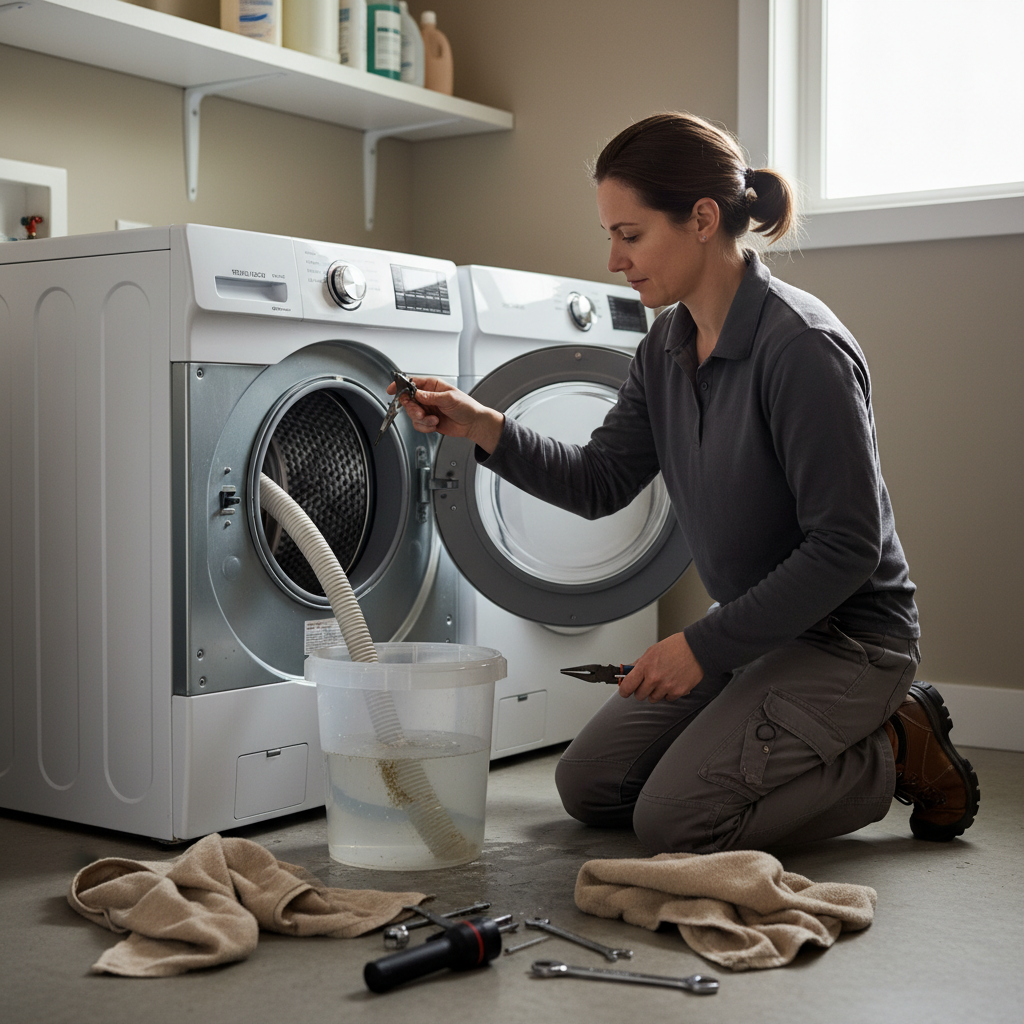
I’ve been there, staring at a drum full of soggy clothes, wondering if I’d accidentally summoned a plumbing demon. And trust me, I’ve learned a few things over the years (and a lot of soggy towels later) about why washing machines refuse to drain and, more importantly, how to fix them.
Why Your Washing Machine Isn’t Draining: The Usual Suspects
So, why *isn’t* the water leaving the party? Well, the most common culprit is a clog. Think of your washing machine’s drainage system like a complex network of pipes, tubes, and a pump. Anything that blocks the flow can cause water to back up, leaving your clothes swimming in a miniature, soapy lake.
Common Clogging Culprits
- Lint Buildup: This is Public Enemy No. 1. Over time, lint from your clothes accumulates in the drain hose, pump, and filter, slowly but surely creating a blockage.
- Lost Objects: Those rogue socks, coins, or even small buttons can find their way into the drainage system, wreaking havoc.
- Soap Overload: Using too much detergent (or the wrong kind for your machine) can create excessive suds, which can trap lint and other debris, forming a stubborn clog.
- Foreign Objects: Hair, pet fur, and bits of tissue can also cause blockages.
It’s important to remember that it’s usually a gradual process. You may not notice the problem immediately. But over time, the drainage will get slower and slower until it eventually stops completely.
What You’re Probably Doing Wrong (and How to Fix It)
Okay, so you’ve got a clogged washing machine. Now what? Well, the internet is full of “quick fixes,” but some of them can actually make things worse. Here’s what people often do wrong and how to actually fix the issue:
Mistake #1: Ignoring the Obvious
We often jump to complicated solutions without checking the basics first. The most common mistake is overlooking the simplest fix – checking the drain hose.
The Real Fix: First, unplug your washing machine (safety first!). Then, locate the drain hose, which usually snakes out the back of the machine and into a standpipe or a drain in the wall. Carefully remove the hose from the standpipe and check for any visible blockages. You might be surprised at what you find!
Mistake #2: Overusing Chemical Drain Cleaners
Chemical drain cleaners might seem like a quick solution, but they can damage the rubber hoses and seals in your washing machine, leading to leaks and more problems down the road. They are also not always effective on the types of clogs common in washing machines.
The Real Fix: Stick to mechanical solutions first. A good ol’ fashioned plumber’s snake (or a bent wire hanger) is often the best tool for dislodging clogs in the drain hose or pump.
Mistake #3: Ignoring the Lint Filter
Many people don’t even know their washing machine has a lint filter, let alone clean it. This is a critical component for catching lint and debris before they reach the pump. Not cleaning it regularly is just asking for trouble.
The Real Fix: Consult your washing machine’s manual to find the lint filter (it’s often located near the bottom of the machine, behind a small access panel). Remove the filter and clean it thoroughly. Some filters are washable; others need to be replaced. Check your manual for specific instructions.
Mistake #4: Not Checking the Pump
The pump is the heart of your washing machine’s drainage system. If it’s clogged, nothing is going anywhere. People often skip checking the pump because it seems intimidating, but it’s usually easier than you think.
The Real Fix: Unplug the machine! Locate the pump (again, your manual is your friend here). There’s usually a small access panel. Open it up and carefully check for any obstructions. You may find small objects like coins here as well. Make sure you have towels and buckets ready, as some water may spill out.
Step-by-Step Practical Fixes (Home Edition)
Alright, let’s get down to the nitty-gritty. Here’s a practical, step-by-step guide to tackling a clogged washing machine. Remember, safety first! Unplug the machine before you start any work.
- Safety First: Unplug the washing machine from the power outlet.
- Prepare the Area: Place towels around the machine to catch any spills. Have a bucket ready.
- Check the Drain Hose: Disconnect the drain hose from the standpipe and check for clogs. Use a flashlight to see inside. Flush the hose with water to clear any debris.
- Inspect the Lint Filter: Locate, remove, and thoroughly clean the lint filter. Replace it if necessary.
- Access the Pump (If Necessary): Consult your manual to find the pump access panel. Open the panel and carefully inspect the pump for any blockages. Use gloves!
- Clear the Pump: Use a plumber’s snake, a wire hanger, or your fingers (with gloves!) to remove any visible obstructions from the pump.
- Reassemble: Put everything back together, making sure all connections are secure.
- Test It Out: Plug the washing machine back in and run a short cycle to see if it drains properly.
If you’ve tried all of these steps and your washing machine still isn’t draining, it might be time to call in a professional. There could be a more complex problem, such as a faulty pump motor or a blockage deep within the plumbing system. Don’t feel bad about calling in reinforcements! It happens to the best of us.
When to Call a Pro
Sometimes, even your best efforts aren’t enough. Here’s when to wave the white flag and call a qualified appliance repair technician:
- You’ve exhausted all the home remedies: You’ve checked the hose, filter, and pump, and the machine still won’t drain.
- You suspect a pump malfunction: If you hear strange noises coming from the pump or if it’s not working at all, it’s likely a pump issue.
- You smell burning: A burning smell could indicate a problem with the motor or electrical components.
- You’re not comfortable with DIY repairs: If you’re not comfortable working with appliances or plumbing, it’s always best to call a professional.
Long-Term Prevention: Keep the Clogs Away
Once you’ve conquered your drainage woes, the last thing you want is a repeat performance. Here are some simple habits that can help prevent future clogs:
- Clean the Lint Filter Regularly: This is the most important step! Clean it after every wash, or at least every few cycles.
- Use the Right Amount of Detergent: Too much detergent can lead to excessive suds, which can trap debris. Always follow the manufacturer’s recommendations.
- Check Pockets Before Washing: Get into the habit of checking pockets for coins, tissues, and other small items that can cause blockages.
- Wash Delicates in a Mesh Bag: This will help prevent small items from getting lost in the machine.
- Inspect the Drain Hose Periodically: Check the drain hose every few months for any signs of buildup or damage.
Small, consistent actions can go a long way in keeping your machine running smoothly. Think of it as a little extra care for an appliance that works hard for you.
And, if you’re interested in learning more about how to protect your home appliances and extend their lifespan, you might find this article helpful: The Little Things: How Small Daily Habits Protect Your Home and Tech. It’s all about building good habits to keep things running smoothly.
FAQ: Washing Machine Drainage Edition
Here are some frequently asked questions about washing machine drainage issues. These are questions people often type into Google, looking for quick answers:
- Why is my washing machine not draining completely? The most common reasons are clogs in the drain hose, lint filter, or pump. Overuse of detergent can also contribute to the problem.
- How do I unclog a washing machine drain hose? Disconnect the hose and check for visible blockages. You can use a plumber’s snake or a bent wire hanger to clear the clog.
- Can I use drain cleaner in my washing machine? It’s generally not recommended, as chemical drain cleaners can damage the machine’s components.
- Where is the lint filter located in my washing machine? The location varies depending on the model, but it’s usually found near the bottom of the machine, behind an access panel. Check your manual.
- How often should I clean the lint filter? Ideally, clean it after every wash. If you have a lot of lint buildup, you might need to clean it more frequently.
- What can I do to prevent clogs in my washing machine? Clean the lint filter regularly, use the correct amount of detergent, check pockets before washing, and wash delicates in a mesh bag.
- How long should a washing machine drain cycle take? A normal drain cycle usually takes 3-5 minutes. If it takes significantly longer, there might be a blockage.
- Is it okay to put hot water in a washing machine? Most modern washing machines use a cold water supply for most cycles, and a hot water heater built in. Refer to the manufacturer’s recommendations.
So, there you have it. A practical guide to tackling one of the most frustrating washing machine problems. Now go forth, armed with your knowledge, and conquer those clogs! You got this.
If you have any other questions or have dealt with your own washing machine woes, feel free to share your experiences. We’re all in this together!
To learn about more ways to care for your appliances, visit the homepage.