
Picture this: You’re running late. You hop in your car, turn the key, and… nothing. Just a sad, pathetic click. We’ve all been there. That feeling of frustration, the sudden realization that your day is about to get a whole lot more complicated, all because of a tiny box under the hood: your car battery.
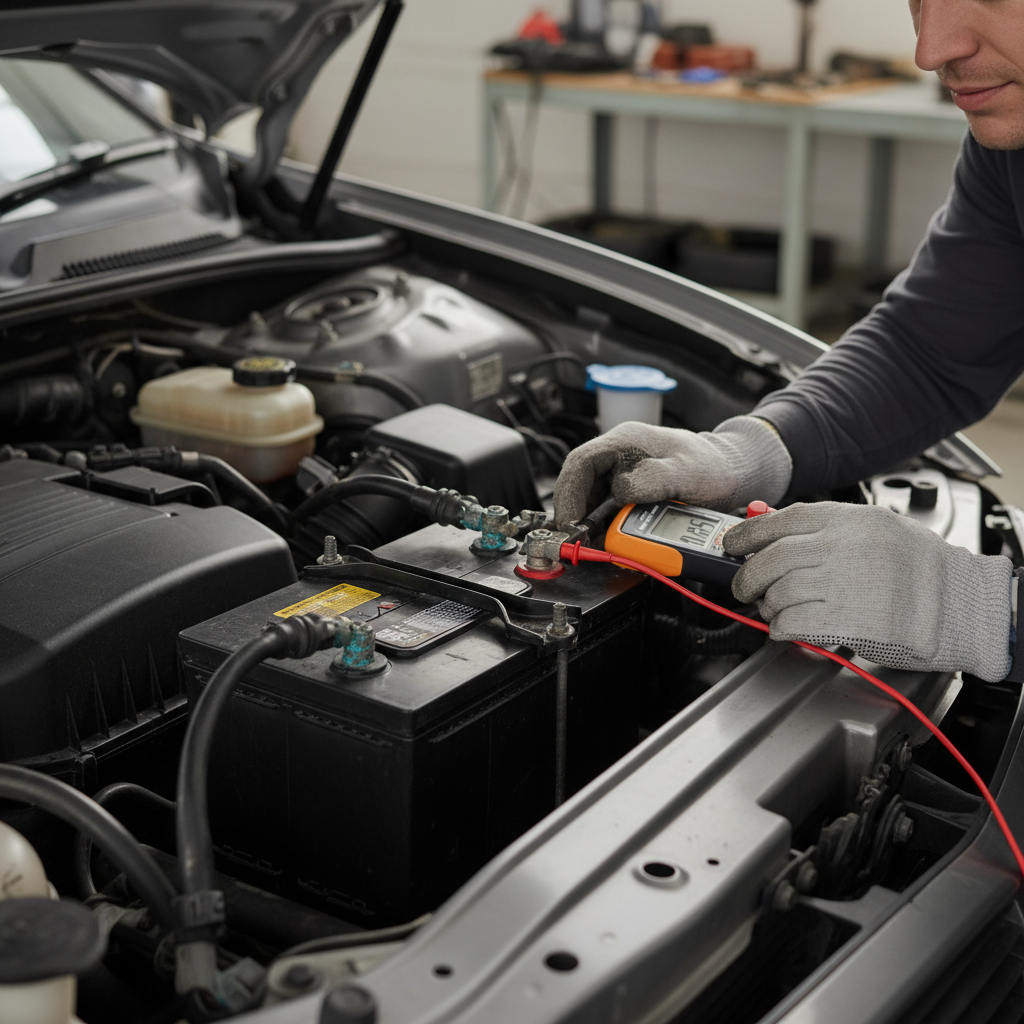
But how does this seemingly simple box manage to kickstart your engine, power your lights, and keep your infotainment system humming? It’s a question most of us don’t really ponder until that dreaded moment of silence. Today, we’re going to pull back the curtain and unravel the mystery of the car battery, explaining it in a way that doesn’t require a degree in engineering.
The Big Picture: Storing and Releasing Energy
At its core, a car battery is a rechargeable energy storage device. Think of it like a water tank. It stores electrical energy, then releases it when you need it. The magic happens through a chemical reaction, but let’s not get lost in the weeds just yet.
Here’s the basic principle: The battery takes in electrical energy from your car’s alternator (more on that later), stores it, and then provides that energy on demand to power your car’s electrical components. Simple, right? Let’s break it down into its key components and how they interact.
The Key Players: Inside Your Battery
Your car battery is made up of several key components working in concert. Understanding each part helps to clarify how the system functions:
- The Case: Usually made of hard plastic, the case protects everything inside. It also houses the battery’s various components.
- Lead Plates: These are the workhorses of the battery. There are two sets of plates: positive and negative. These plates are submerged in electrolyte.
- Electrolyte: This is a mixture of sulfuric acid and water. It’s the chemical catalyst that makes everything happen, facilitating the flow of ions.
- Separators: Thin sheets placed between the positive and negative plates, separators prevent the plates from touching and short-circuiting.
- Terminals: The positive (+) and negative (-) terminals are where you connect your car’s electrical system to the battery.
Each of these parts has a role, from containing the chemical reaction to providing an electrical connection to your car.
The Chemical Reaction: The Battery’s Secret Sauce
The heart of your car battery’s operation is a reversible chemical reaction. This reaction is how the battery stores and releases electrical energy. It involves the lead plates, the sulfuric acid electrolyte, and a process called oxidation-reduction (redox).
Here’s the simplified version:
- Discharging (Powering Your Car): When you turn the key, the battery’s chemical reaction begins. Lead sulfate forms on both the positive and negative plates. Electrons flow from the negative plate through the circuit (your car’s electrical system) to the positive plate, providing the power needed to start the engine, run the lights, and so on. The sulfuric acid in the electrolyte is consumed during this process.
- Charging (Refilling the Battery): When the car is running, the alternator (driven by the engine) sends electricity back to the battery. This reverses the chemical reaction, converting the lead sulfate back into lead and sulfuric acid. This restores the battery to its charged state.
The beauty of this reaction is that it’s reversible. You can charge and discharge the battery many times before it wears out (although it will, eventually!).
How the Alternator Comes Into Play
Here’s where the alternator steps in. It’s the unsung hero of your car’s electrical system. Think of the alternator as the battery’s personal charger. Its primary role is to:
- Power the car’s electrical system: While the engine is running, the alternator provides the electricity to keep everything going – lights, radio, AC, etc.
- Recharge the battery: Any time the car is running, the alternator is also sending electricity back to the battery to replenish the power used to start the engine and run the car’s electrical components.
Without the alternator, your battery would drain very quickly. The alternator’s presence ensures a continuous supply of electricity and keeps the battery charged.
Common Misconceptions (and Why They Matter)
There are a few common misunderstandings about car batteries that can lead to problems. Clearing these up can help you better understand how to care for your battery and avoid those frustrating no-start moments.
- Myth: “The battery is always fully charged.” While the alternator helps keep it charged, the battery’s state of charge varies. Cold weather, frequent short trips, and leaving lights on can all drain the battery.
- Myth: “A jump-start fixes everything.” A jump-start gets you going, but it doesn’t solve the underlying problem. It just provides a temporary boost. If the battery is old or damaged, it won’t hold a charge, and you’ll need a replacement.
- Myth: “Car batteries last forever.” Car batteries have a lifespan, usually a few years (3-5 years is common). Over time, the chemical reactions inside the battery degrade, reducing its ability to hold a charge.
Understanding these myths can help you avoid common pitfalls and keep your car running smoothly.
The Impact of Usage and Environment
Your driving habits and the environment can have a significant effect on your battery’s lifespan and performance. Here’s how:
- Short Trips: Frequent short trips don’t give the alternator enough time to fully recharge the battery after starting the engine. Over time, this can lead to a partially discharged battery and premature failure.
- Extreme Temperatures: Heat accelerates the chemical reactions in the battery, leading to faster degradation, while cold temperatures reduce the battery’s ability to deliver power.
- Parasitic Drain: Even when the car is off, some electrical components (like the clock or security system) draw a small amount of power from the battery. This “parasitic drain” can gradually deplete the battery over time.
- Electrical Accessories: Adding aftermarket accessories like powerful sound systems or extra lights can place an additional load on the battery and the alternator, potentially shortening their lifespans.
Being mindful of these factors can help you make informed decisions that impact your battery’s health.
Modern Relevance: The Rise of Electric Vehicles (EVs)
The technology behind car batteries is constantly evolving, particularly with the rise of electric vehicles (EVs). While the traditional lead-acid battery is still common in gasoline-powered cars, EVs use advanced lithium-ion batteries. These offer:
- Higher energy density: They can store more energy in a smaller space.
- Lighter weight: They contribute less to the overall weight of the vehicle.
- Longer lifespans: They can withstand more charge-discharge cycles.
The principles of energy storage and release, however, remain the same. The chemical reactions are just different and significantly more complex in EVs.
Taking Care of Your Car Battery: Simple Tips
You can take a few simple steps to extend the life of your car battery and avoid unexpected problems:
- Regular Inspection: Have your battery tested regularly, especially if you live in an area with extreme temperatures.
- Clean Terminals: Corrosion on the terminals can impede the flow of electricity. Clean them with a wire brush and baking soda solution as needed.
- Limit Short Trips: If possible, try to take longer drives to give the alternator a chance to fully charge the battery.
- Turn Off Lights: It sounds obvious, but make sure you turn off your headlights, interior lights, and any other electrical accessories when you leave your car.
- Consider a Battery Tender: If you don’t drive your car frequently, a battery tender (or trickle charger) can help maintain the battery’s charge.
A little preventative maintenance can go a long way.
The Mental Model: Understanding the Car Battery
Now, let’s create a clearer mental model. The car battery is a rechargeable storage tank. It receives energy from the alternator, which is powered by the engine. This energy is stored chemically. When you need power, the battery releases it to start the engine and run the car’s electrical components. Over time, the battery degrades, and it eventually needs to be replaced. Taking care of your battery means understanding these basics.
With this understanding, you can explain how a car battery works to anyone, even if they don’t know the first thing about cars. The key is simplifying the concept and avoiding technical jargon.
FAQ: Your Burning Car Battery Questions Answered
Here are some frequently asked questions about car batteries, answered in plain English:
Q: How long does a car battery typically last?
A: Most car batteries last between 3-5 years, but this depends on usage, climate, and how well you maintain it.
Q: What are the signs of a dying car battery?
A: Difficulty starting the engine, dim headlights, slow cranking, and the battery warning light on the dashboard are all signs of a potential problem.
Q: Can I jump-start my car if the battery is dead?
A: Yes, you can. However, a jump-start is only a temporary solution. You’ll still need to get the battery tested or replaced. Make sure to connect the jumper cables correctly to avoid damage.
Q: Why does my car battery die in the winter?
A: Cold weather reduces the battery’s ability to deliver power, making it harder to start the engine. The engine also requires more power to start in the cold.
Q: How can I tell if my battery needs replacing?
A: Get it tested at an auto parts store or a mechanic. They can check its voltage and cranking amps to determine its health. You can also inspect for signs like swelling, cracks, or leaks.
Q: Can I replace my car battery myself?
A: Yes, it’s a relatively straightforward task for most car owners. Just make sure to disconnect the negative terminal first, and always follow the manufacturer’s instructions. Be careful not to drop the battery!
Q: What does CCA mean?
A: CCA stands for “Cold Cranking Amps.” It’s a rating that indicates how much current the battery can deliver at 0°F (-18°C). The higher the CCA, the better the battery is suited for cold-weather starting.
Q: Will driving with a bad battery damage my car?
A: Driving with a very weak battery can put extra strain on the alternator. It also means you might get stranded. It’s best to address any battery problems sooner rather than later.
Hopefully, this article demystifies the car battery and empowers you with the knowledge to maintain and understand your car’s electrical system. Now, if your car doesn’t start, you’ll have a better idea of why!
If you’re experiencing electrical issues, consider checking out this related article for advice on boosting your home network speed. While the topics might seem unrelated, the process of troubleshooting can often be approached with the same methods: identifying problems and systematically testing solutions.
For more insights and helpful guides, explore our homepage.