
We all know the feeling. You’re rushing to get out the door, late for a meeting, and you can’t find your keys. Or you’re trying to whip up dinner, but the kitchen counters are covered in mail, bags, and miscellaneous items. It’s frustrating, right? But most of us shrug it off as just a “busy life” problem. What if I told you that this seemingly small issue of clutter is costing you more than just a few minutes here and there? That it’s a silent drain on your time, your finances, and even your mental well-being?
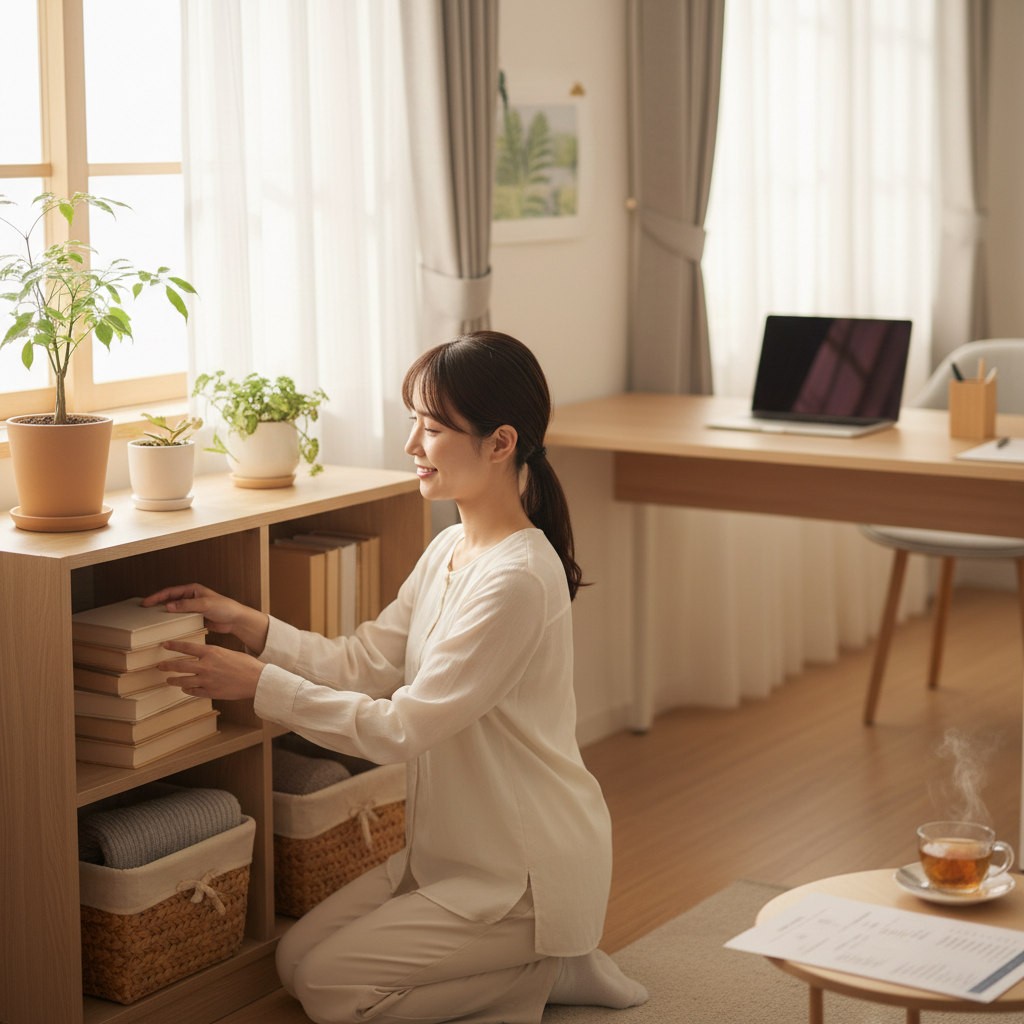
The Domino Effect of a Disorganized Home
Most people don’t realize this, but a cluttered home has a surprising ripple effect. It’s not just about looking messy. Think about it: a disorganized space leads to wasted time. You spend precious minutes (or even hours over the course of a week) searching for things. Keys, wallets, important documents, that one missing sock – the list goes on. This adds up, stealing moments you could be using for more important things, like spending time with family or pursuing a hobby.
Then there’s the hidden financial cost. When things aren’t organized, you’re more likely to buy duplicates of items you already own, simply because you can’t find the original. How many times have you bought a new bottle of hand soap, only to discover a half-used one hidden in the back of a cabinet a week later? Or perhaps you’ve forgotten to pay a bill because it got lost in a pile of paper? Late fees, impulse buys, and wasted supplies – it all adds up.
And finally, let’s talk about stress. A cluttered environment is often linked to increased anxiety and a feeling of being overwhelmed. Our homes should be our sanctuaries, but if they’re constantly chaotic, it’s difficult to relax and unwind. The mental load of a messy house can be exhausting, making it harder to focus and be productive.
Common Clutter Mistakes We Make Without Realizing
We all fall into bad habits. These seemingly small actions contribute to the chaos, without us even noticing:
- The “Drop Zone” by the Door: Keys, mail, bags, shoes – all dumped in a pile the moment you walk in. This quickly becomes a breeding ground for clutter and makes it harder to find what you need when you need it.
- The Overstuffed Drawer: That junk drawer is the classic example. It’s a black hole where things disappear, never to be seen again. This also applies to kitchen drawers and closets.
- The “I’ll Deal With It Later” Mentality: Pushing things aside to be sorted “later” only leads to bigger piles. This creates the illusion of more work ahead and creates more stress in the long run.
- Buying Without Thinking: Impulse purchases, duplicates, and items that don’t fit your space all contribute to clutter.
- Not Having a Designated Place for Everything: If items don’t have a specific home, they’ll inevitably end up scattered around the house.
Busting Popular “Shortcut” Myths
There’s a lot of advice out there about decluttering. Some of it’s helpful, some is not. Here are a few common myths and why they don’t always work:
- Myth: “Just put it away, you don’t need to organize.” This can work in the short term, but if you don’t have a system, the clutter will just reappear.
- Myth: “If you haven’t used it in a year, get rid of it.” This is a good general guideline, but it’s not foolproof. Some items are used infrequently but are still valuable (seasonal decorations, tools, etc.).
- Myth: “Organizing is always expensive.” While you can buy expensive storage solutions, you don’t have to. Sometimes, all you need are a few boxes, jars, or simple DIY solutions.
- Myth: “You have to declutter everything at once.” This can be overwhelming. Break it down into small, manageable chunks (a drawer, a shelf, one room at a time).
Practical Tips for a Tidy Home (and a Tidy Life)
The good news? Breaking free from clutter doesn’t require a complete overhaul of your life. It’s about making small, consistent changes.
- The One-Minute Rule: If something takes less than a minute to do (e.g., putting away a book, wiping down a counter), do it immediately. This prevents small tasks from piling up.
- Designated Zones: Give everything a “home.” Have a specific spot for keys, mail, shoes, etc. This makes it easy to put things away and find them later.
- Regular Purges: Set a schedule for decluttering. A quick sweep of a drawer or shelf every week or two can prevent things from getting out of control. Go through your clothes seasonally to give away what you don’t wear.
- The “One In, One Out” Rule: For every new item you bring into your home, get rid of something similar. This prevents accumulation.
- Vertical Storage: Utilize shelves, drawers, and wall-mounted organizers to maximize space, especially in small homes.
- Contain and Categorize: Use bins, baskets, and containers to group similar items together. Label everything!
- The Mail Solution: Open mail immediately. Toss junk mail directly into the recycling bin. File important papers right away.
- Embrace Digital: Scan important documents to reduce paper clutter. Pay bills online.
- Ask for Help: Don’t be afraid to ask for help from friends, family, or even a professional organizer. Sometimes, a fresh perspective can make all the difference.
How These Habits Matter More in the Modern World
In 2026, our lives are busier than ever. We’re juggling work, family, social media, and a constant stream of information. In this fast-paced world, a tidy home is more crucial than ever.
With more of us working from home, a dedicated, organized workspace is essential for productivity and focus. A chaotic environment can make it harder to concentrate and can even affect your mood. And as technology becomes increasingly integrated into our lives, the ability to find important documents, devices, and chargers quickly is paramount.
A tidy home can also help you:
- Save Time: Spend less time searching and more time doing what you enjoy.
- Reduce Stress: Create a more peaceful and relaxing environment.
- Improve Productivity: Boost your focus and efficiency.
- Save Money: Avoid unnecessary purchases and late fees.
- Protect Your Belongings: A more organized home makes it easier to keep track of your possessions.
The Long-Term Benefits: Peace of Mind and a Smoother Life
The real beauty of a clutter-free home isn’t just about aesthetics; it’s about the feeling. It’s about coming home to a space that feels calm and welcoming. It’s about knowing where everything is. It’s about having more time and energy to focus on what truly matters.
Once you change your habits, everything feels easier. You’ll start to feel a sense of control and accomplishment. You’ll be less stressed, more organized, and more productive. You’ll have more time for yourself, for your family, and for the things you enjoy. The long-term benefits of a tidy home are truly immeasurable.
A home is a foundation, and its state influences everything in your life. As the article from How Things Work Insight: Feb 19, 2026 mentions, understanding how things work, and that includes your own habits, is key to a smoother experience.
Frequently Asked Questions
- How do I start decluttering if I feel overwhelmed? Start small. Pick one area (a drawer, a shelf) and focus on that. Don’t try to do everything at once.
- What if I’m a “pack rat” and have trouble getting rid of things? Ask yourself if you’ve used the item in the past year. If not, consider donating it or giving it away. Focus on the benefits of decluttering.
- How can I make decluttering a habit? Schedule it into your calendar. Set aside a specific time each week or month for decluttering. Reward yourself after you’re done.
- What are some good storage solutions for small spaces? Vertical shelving, under-bed storage, wall-mounted organizers, and multi-functional furniture (like ottomans with storage) are all great options.
- How do I keep my home tidy with kids? Involve them in the process. Make tidying up a game. Provide age-appropriate storage solutions.
- How much time should I set aside for a full declutter? The time needed depends on the size of your home and the amount of clutter. Start with a few hours and gradually work your way to the harder sections.
- Does decluttering save money? Yes! You’re less likely to buy duplicates of things you already have, and you’re less likely to miss important documents and pay late fees.
- How can I maintain a decluttered home long-term? Make tidying up a daily habit. Use the “one in, one out” rule. Regularly purge and declutter.
Clutter doesn’t just make a home look messy; it quietly eats away at your time, money, and peace of mind. By taking small, consistent steps to create a tidy home, you can unlock a world of benefits. And remember, it’s not about perfection; it’s about progress.