
Ugh, there’s nothing worse than opening your fridge on a hot day, ready for a cold drink, and realizing… it’s not cold. The milk’s lukewarm, the veggies are wilting, and your carefully planned dinner is suddenly a gamble. I know the feeling. It’s that moment of pure, unadulterated frustration, isn’t it?
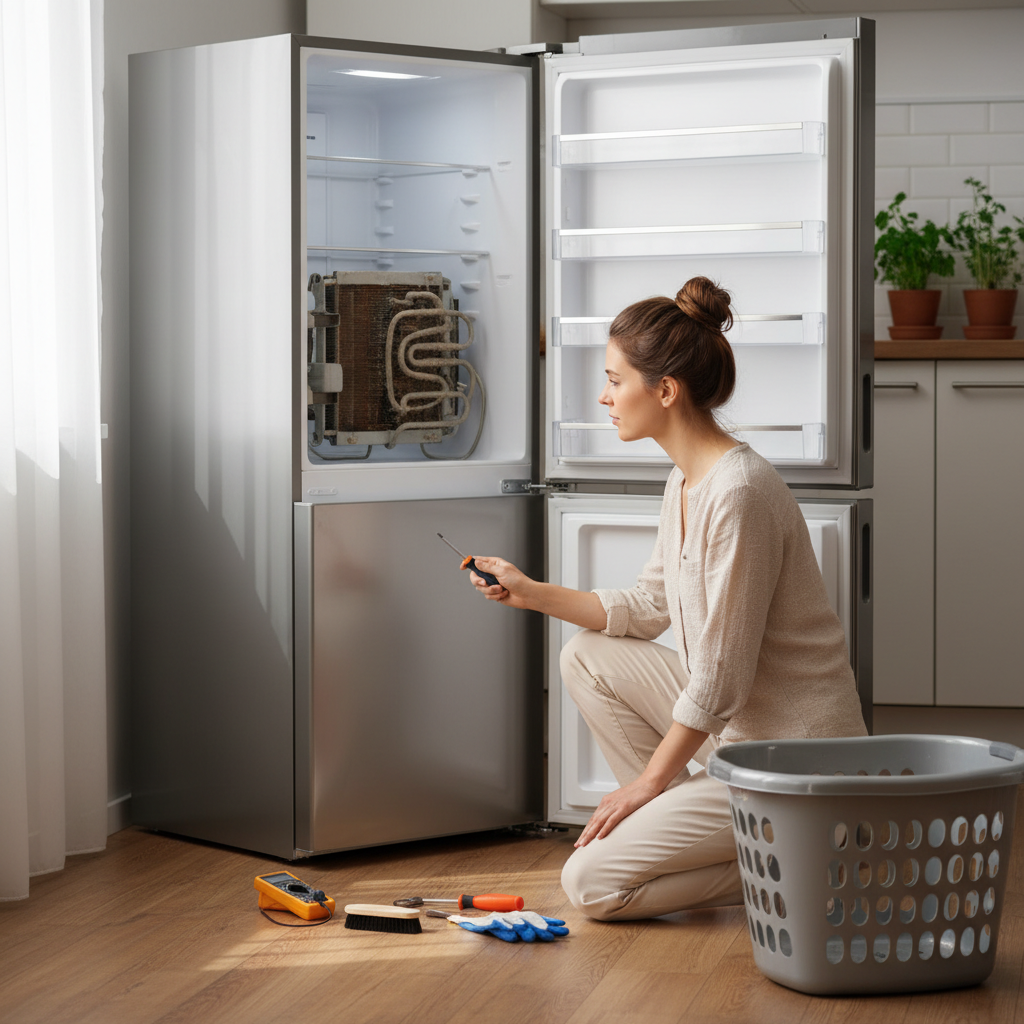
This has happened to me more times than I care to admit. And every time, my initial reaction is a mix of panic and annoyance. “What did I do wrong? Did I leave the door open? Is this thing about to die?” I’ve been there, staring at a fridge that’s decided to take a vacation from its primary function: keeping things cold. Let’s face it; a non-cooling fridge throws off your whole routine.
So, What’s Actually Going On?
Before you start calling for a repairman, let’s take a deep breath and figure out what’s actually happening. In simple terms, your fridge works by circulating a refrigerant (a special type of liquid) through a closed system. This refrigerant absorbs heat from inside the fridge, cools down, and then releases that heat outside (usually at the back of the fridge). Several things can go wrong with this process.
Common Culprits Behind the Warmth:
- The Condenser Coils: These coils, usually located on the back or underneath your fridge, are responsible for releasing heat. If they’re covered in dust and grime, they can’t do their job effectively.
- The Evaporator Fan: This fan circulates cold air inside the fridge. If it’s broken, or frozen over with ice, the cold air doesn’t reach your food.
- The Thermostat: This is the temperature control. If it’s faulty, it might not be sending the right signals to cool the fridge.
- The Door Seal: A leaky door seal lets warm air in, forcing the fridge to work harder and potentially leading to problems.
- Refrigerant Leaks: Less common, but a significant issue. If the refrigerant leaks out, the fridge can’t cool.
The Mistakes We All Make (And How to Avoid Them)
When your fridge goes rogue, it’s easy to jump to conclusions and start panicking. But trust me, I’ve made all the common mistakes, and I’ve learned a few things along the way.
Mistake 1: Ignoring the Basics
The first mistake? Ignoring the obvious. I once spent an hour troubleshooting a fridge, only to realize I’d accidentally set the temperature dial too high. Facepalm moment! Always double-check the basics: Is it plugged in? Is the power switch on? Is the temperature setting correct? Sometimes, the simplest solutions are the ones we overlook in a panic.
Mistake 2: Overstuffing the Fridge
Cramming food into every nook and cranny might seem efficient, but it restricts airflow. Air needs to circulate to keep everything cool. Overfilling your fridge can block vents and prevent it from cooling properly. Trust me, I’ve been guilty of this many times.
Mistake 3: Neglecting the Cleaning Routine
Dust bunnies on the condenser coils are a fridge’s worst enemy. They act as insulation, preventing the coils from releasing heat. Many people don’t even know these coils exist, let alone clean them. Make it a habit to clean your condenser coils a couple of times a year. You’ll be amazed at the difference it makes.
Mistake 4: Assuming It’s a Lost Cause
Sometimes, we assume the worst and immediately call for repairs. But, often, the solution is something you can handle at home. Don’t be afraid to do a little troubleshooting before calling a repairman. You might save yourself some money and a headache.
Step-by-Step Home Fixes (and When to Call for Help)
Okay, let’s get practical. Here’s a step-by-step guide to tackling a non-cooling fridge:
Step 1: The Obvious Checks
First, check the basics. Is the fridge plugged in? Is the power cord securely connected? Is the temperature setting correct? Sounds simple, but it’s surprising how often this is the culprit. Make sure the door is sealing correctly, too. A simple test is to close the door on a piece of paper; if you can easily pull the paper out, you likely have a seal issue.
Step 2: Cleaning the Condenser Coils
Locate the condenser coils. They’re usually on the back or underneath the fridge. Unplug the fridge for safety. Use a vacuum cleaner with a brush attachment to gently remove dust and debris. This can make a huge difference in the fridge’s efficiency. I find this one of the most effective fixes, and it’s something almost everyone can do.
Step 3: Checking the Evaporator Fan
Open the freezer door and listen. Do you hear the fan running? If the fan is not working, the air can’t circulate effectively. If the fan is frozen over with ice, you will need to let the fridge thaw, and then reset the temperature. If the fan motor is broken, you may need a technician.
Step 4: Inspecting the Door Seal
Examine the door seal for any cracks or gaps. If the seal is damaged, warm air will seep in. You can try cleaning the seal with warm, soapy water to remove any grime that might be preventing a good seal. If the seal is severely damaged, you will need to replace it.
When to Call for Professional Help:
- Refrigerant Leak: If you suspect a refrigerant leak (fridge is not cooling despite your efforts and there may be a hissing sound), it’s time to call a professional. This requires special equipment and handling.
- Compressor Failure: The compressor is the heart of the fridge’s cooling system. If it fails, you’ll need a technician. A sign of this can be a very loud humming or clicking noise from the back of the fridge.
- Advanced Electrical Issues: Any electrical problems beyond simple troubleshooting should be handled by a qualified technician.
Modern Fridge Woes and Their Solutions (2026 Style)
We’re living in a world of smart appliances, and that includes our fridges. These modern marvels come with their own set of potential problems. Let’s look at a few:
Smart Fridge Glitches
Some smart fridges have touchscreens and Wi-Fi connectivity. These features can sometimes cause problems. If your fridge’s touchscreen isn’t working or the Wi-Fi connection is down, try restarting the fridge. Unplug it for a few minutes, then plug it back in. If that doesn’t work, check your internet connection and the fridge’s manual for troubleshooting steps.
Power Fluctuations
Power surges and fluctuations can damage your fridge’s electronics. Consider using a surge protector to protect your appliance. This is especially important if you live in an area with frequent power outages or storms. Also, a whole-house surge protector might be something to consider.
The Rise of the Ice Maker
Ice makers are a convenience, but they can also be a source of problems. If your ice maker isn’t working, check the water supply line for any kinks or clogs. Sometimes, the ice maker can freeze up. Consult your fridge’s manual for specific troubleshooting steps for the ice maker.
Preventing Future Fridge Failures: Long-Term Tips
Prevention is always better than a cure. Here’s how to keep your fridge running smoothly for years to come:
- Regular Cleaning: Clean the condenser coils at least twice a year.
- Check the Door Seal: Inspect the door seal regularly and replace it if necessary.
- Maintain Temperature: Set the correct temperature and avoid frequent temperature adjustments.
- Proper Storage: Don’t overfill your fridge, and allow for proper airflow.
- Monitor for Unusual Sounds: Pay attention to any unusual noises, like humming or clicking. These could be signs of a problem.
- Use a Surge Protector: Protect your fridge from power surges.
Preventative measures are essential, just like knowing how your washing machine gets clothes clean. Understanding how your appliances work helps you troubleshoot problems effectively.
Frequently Asked Questions
Here are some of the most common questions people ask when their fridge isn’t cooling:
Q: My fridge is running, but not cooling. What’s wrong?
A: This could be due to several issues, such as dirty condenser coils, a faulty thermostat, a blocked vent, or a door seal problem. Start by checking the basics (power, temperature settings) and then move on to cleaning the coils and checking the seals.
Q: How often should I clean my fridge’s condenser coils?
A: It’s best to clean them at least twice a year. If you have pets or live in a dusty environment, you might need to clean them more often.
Q: My fridge is making strange noises. What should I do?
A: Unusual noises could indicate a problem with the compressor, fan, or other internal components. First, check that nothing is blocking the fan. If the noise persists, it’s best to consult a repair technician.
Q: Is it safe to try to fix my fridge myself?
A: Some issues, like cleaning coils and checking door seals, can be easily handled at home. However, any electrical or refrigerant-related issues should be addressed by a qualified professional for safety.
Q: How long should a refrigerator last?
A: With proper care and maintenance, a refrigerator can last 10 to 20 years. Regular cleaning, timely repairs, and avoiding overstuffing can extend the life of your appliance.
Q: Why is my freezer working, but not my fridge?
A: Often, this points to a problem with the damper or the airflow between the freezer and the fridge. It could also mean the evaporator fan has failed. Check to see if your fridge vents are blocked, and be sure to check the fan.
Q: How can I prevent my fridge from frosting up?
A: Frost buildup often happens if the door isn’t sealing properly or if the temperature is set too low. Ensure the door seal is tight, and set the correct temperature. You may also need to defrost your refrigerator and freezer, and clean them. It’s a good idea to check and see if your fridge has auto-defrost features, too.
Q: Should I unplug my fridge when I go on vacation?
A: No, you should not unplug your fridge. Doing so could cause food to spoil and lead to mold growth. Instead, turn off the ice maker and empty it. Adjust the temperature to the warmest setting, and leave the doors slightly ajar to prevent mold and mildew.
Getting your fridge back up and running doesn’t have to be a major ordeal. With a little patience, some basic troubleshooting, and the right approach, you can usually get things chilled again without calling for backup. So take a deep breath, go through the steps, and remember – you’ve got this!
For more home appliance guides, visit the Energy Revolution System.