
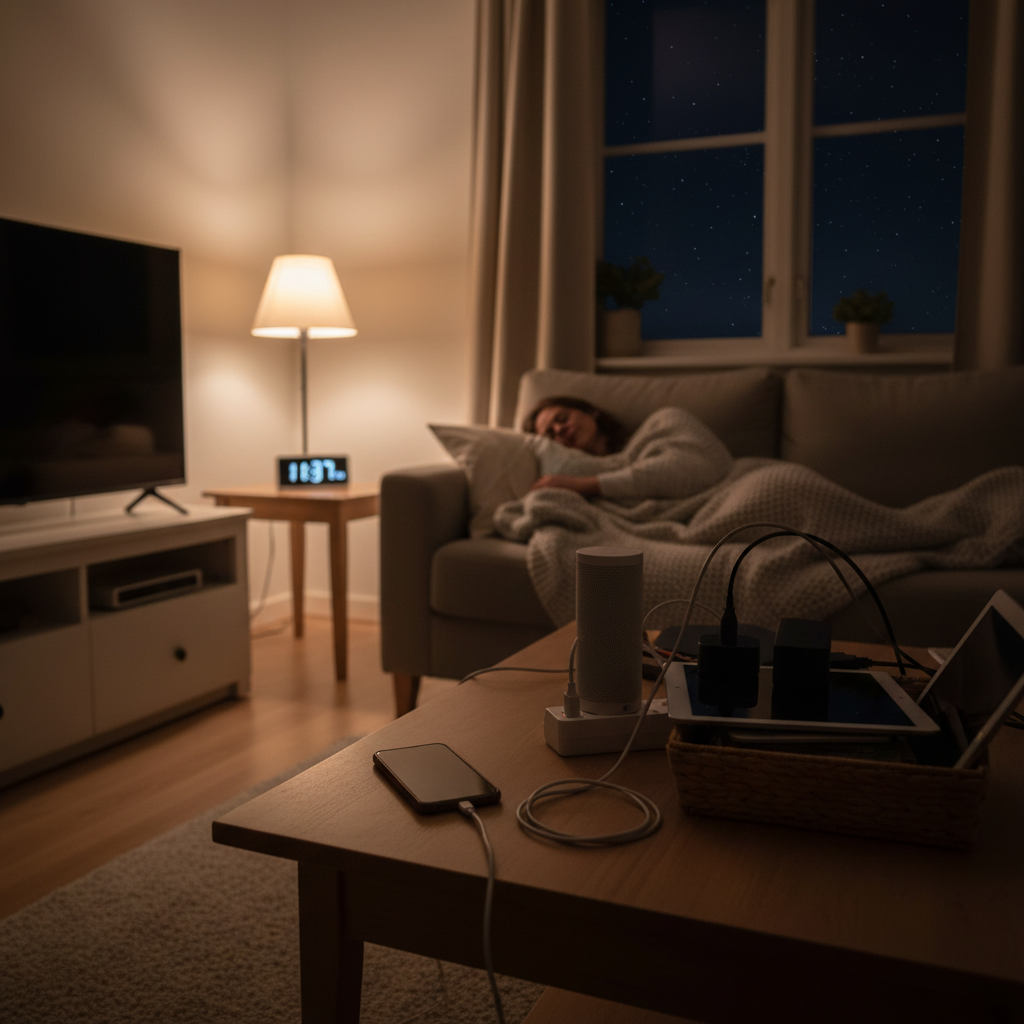
We all do it, right? Plug in the phone before bed, let it charge all night. It’s convenient, ensures a full battery for the morning, and we don’t give it a second thought. But this seemingly harmless habit is a window into a bigger issue: how our daily routines can quietly drain our resources – both tech and financial. Beyond the smartphone, there are many everyday routines that we don’t think twice about that can impact our finances.
The Smartphone’s Secret Struggle
Let’s dive deeper into that nighttime charging ritual. What most people don’t realize is that modern smartphones, using lithium-ion batteries, are designed to handle charging efficiently. They stop drawing power when they reach 100%. However, leaving them plugged in overnight is not ideal. Here’s how it plays out:
* **Constant Top-Ups:** Even though it stops charging, the phone still uses a little power for background tasks. The charger then kicks back in to “top it off,” keeping the battery in a constantly stressed state.
* **Heat is the Enemy:** Charging, even slowly, generates heat. The phone’s internals work harder when plugged in overnight, and heat accelerates battery degradation.
* **Reduced Lifespan:** This repeated stress leads to a reduced battery lifespan, meaning you’ll need to replace your phone sooner.
In short, while overnight charging won’t *explode* your phone, it does quietly wear down the battery over time. Modern batteries are happiest when they aren’t at 100% or 0% for extended periods. The sweet spot? Experts generally recommend keeping your phone charged between 20% and 80%.
If you’re interested in the science behind your phone’s battery, you can read more about it here: Cracking the Code: How Your Smartphone Battery Really Works.
Home Habits That Eat Your Wallet
Our homes are full of energy-guzzling habits that we barely notice. These can be as damaging as our smartphone habits are to our devices.
* **Phantom Loads:** Ever heard of “vampire energy”? Many electronics continue to draw power even when turned off. Think of TVs, game consoles, and phone chargers. Unplugging these devices when not in use can make a surprising difference on your electricity bill.
* **Inefficient Appliances:** Older refrigerators, freezers, and air conditioners can be energy hogs. Consider the age of your appliances and the potential savings from upgrading to energy-efficient models.
* **Heating and Cooling Overuse:** Setting the thermostat too high in the summer or too low in the winter is a common mistake. Each degree can significantly impact your bill. Programmable thermostats and smart thermostats can help you manage your home’s temperature more efficiently.
* **Poor Insulation:** Leaky windows, doors, and insufficient attic insulation allow heated or cooled air to escape, forcing your HVAC system to work harder. Addressing these issues can yield significant energy savings.
* **Lighting Lapses:** Leaving lights on in empty rooms and using incandescent bulbs are simple ways to waste energy. Switching to LED bulbs and incorporating more natural light are cost-effective changes.
According to the U.S. Energy Information Administration, the average monthly electric bill for U.S. residential customers was $144 in 2024. These small habits are contributing to these costs.
How to Break the Cycle and Save
Changing these habits doesn’t require a complete overhaul of your lifestyle. Here’s how you can make easy, sustainable changes:
* **Smartphone Smart Charging:** Instead of overnight charging, plug your phone in when it reaches around 30% and unplug it when it reaches 80%. Consider charging in short bursts throughout the day rather than one long overnight session.
* **Unplug and Unload:** Make it a habit to unplug chargers and other electronics when not in use. Consider using smart power strips that automatically cut off power to devices when they are idle.
* **Smart Thermostat Settings:** Adjust your thermostat by a few degrees when you’re away from home or asleep.
* **Energy Audits:** Some utility companies offer free home energy audits to identify areas for improvement. This is a simple and effective way to find out how to save electricity and money.
* **Monitor and Adapt:** Keep an eye on your energy bills and identify any unusual spikes. This can help you pinpoint areas where you can make changes.
Long-Term Benefits Beyond the Bill
When you adopt these practices, the benefits extend far beyond just saving money:
* **Extended Device Life:** By taking care of your phone’s battery, you can prolong its lifespan, reducing the need for premature replacements.
* **Reduced Stress:** Knowing you’re using energy efficiently and not wasting resources offers a sense of control and peace of mind.
* **Environmental Impact:** Conserving energy reduces your carbon footprint, contributing to a more sustainable lifestyle.
* **Home Safety:** Addressing electrical inefficiencies and potential fire hazards in your home creates a safer living environment.
Frequently Asked Questions
Here are some common questions and the answers you should know.
1. **Is it okay to leave my phone charging overnight?**
While generally safe, leaving your phone plugged in overnight isn’t ideal for the battery’s long-term health. Constant charging at 100% puts stress on the battery, wearing it down more quickly.
2. **How often should I charge my phone?**
It’s best to charge your phone in short bursts throughout the day, topping it off when it drops to around 30-40% and unplugging it at 80%.
3. **Does fast charging damage my phone battery?**
Fast charging itself doesn’t necessarily damage the battery, but it can generate more heat, which can degrade the battery over time. Use fast charging when you need it, but use slow charging when possible.
4. **Are smart plugs worth it?**
Yes! Smart plugs are a simple way to reduce vampire energy by cutting power to devices that are not in use. They can also provide convenience by allowing you to control devices remotely.
5. **What’s the best way to save on my electricity bill?**
The best way to save is a combination of things: unplugging unused electronics, adjusting your thermostat, using energy-efficient appliances and lighting, and improving home insulation.
6. **Do I need to let my phone battery fully drain before charging it?**
No! That’s an outdated myth. Modern lithium-ion batteries perform better when charged frequently and kept between 20% and 80%.
7. **Is it safe to leave my phone charging in a hot car?**
No, it is not. Heat is bad for lithium-ion batteries. Always avoid leaving your phone charging or operating in direct sunlight or a hot car.
8. **How much can I realistically save by changing these habits?**
Savings vary, but you can see a noticeable difference in your electricity bill. The amount depends on your current habits, the size of your home, and your local energy costs. Some programs offer potential savings of over $300 a year. Making small changes can often add up to significant savings over time.
In 2026, with rising energy costs and our reliance on tech, these small adjustments are more crucial than ever. By being mindful of our daily tech and home habits, we can protect our devices, save money, and live a smoother, more efficient life. And sometimes, it’s those small changes that make the biggest difference.