
Think about your home. The cozy haven where you relax, work, and spend quality time. Now, consider all the devices that make your life easier: your smartphone, your TV, your refrigerator, and so much more. These gadgets have become essential, right? But have you ever stopped to think about how much electricity they’re *really* using? Most of us don’t, and that’s where the trouble starts.
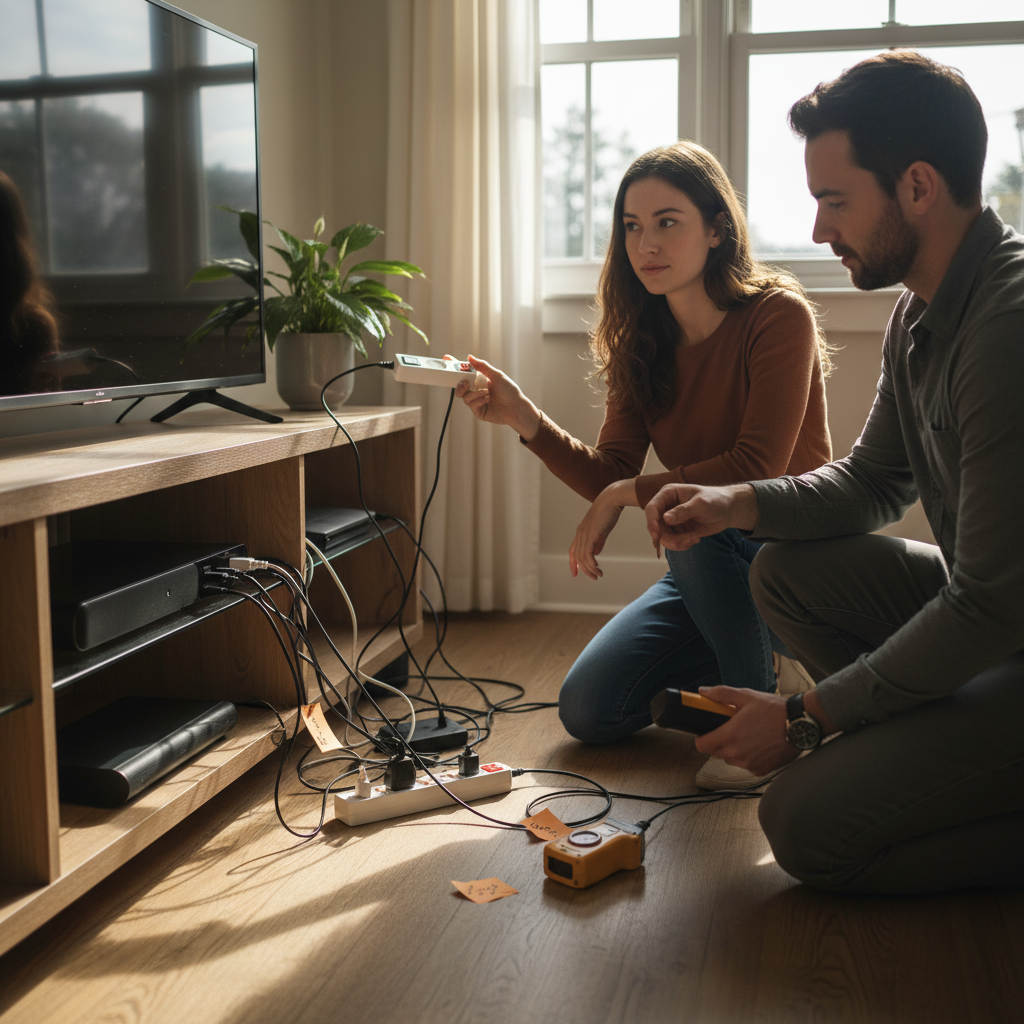
This article isn’t about scaring you with complex energy audits or demanding lifestyle changes. It’s about sharing simple, practical habits that can significantly impact your electricity bill, the lifespan of your appliances, and even your peace of mind. These are the kinds of tips I’ve learned over two decades of managing a home, dealing with tech frustrations, and, yes, sometimes paying way too much for electricity.
The “Phantom Load” Problem: Devices That Never Really Turn Off
Let’s start with something you probably do every day: charging your phone. You plug it in, it charges, and then… you leave the charger plugged in. Sounds harmless, right? Most people don’t give it a second thought. But that charger is still drawing power, even when your phone is fully charged. This is what’s called a “phantom load” or “vampire power,” and it’s happening all over your house with various devices.
Think about it:
* **TVs:** Many TVs continue to draw power even when turned off with the remote.
* **Microwaves:** The clock display on your microwave? That’s using electricity 24/7.
* **Laptops:** Even when your laptop is fully charged, the charger might still be using a small amount of power.
This small habit quietly causes a steady drain on your electricity, adding up over time. It might seem insignificant, but these “always-on” devices can account for a significant portion of your energy consumption.
The Hidden Costs: Device Lifespan, Home Safety, and Your Wallet
So, what are the real consequences of these small habits? They affect more than just your electricity bill.
* **Device Lifespan:** Constantly plugged-in chargers can get warm, potentially shortening their lifespan. The same is true for devices that are always in standby mode.
* **Home Safety:** Overloaded circuits are a fire hazard. While a single charger is unlikely to cause a problem, multiple devices plugged into the same outlet, combined with faulty wiring, can increase the risk.
* **Your Electricity Bill:** Phantom loads add up! You’re paying for electricity you’re not even using. Multiply that by all the devices in your home, and the cost can be surprising.
Common Mistakes and Myths
You might have heard some “shortcut tips” for saving electricity, but not all of them are accurate:
* **Myth:** Unplugging devices all the time will damage them. **Reality:** Modern devices are designed to be plugged and unplugged. There’s no harm in unplugging a charger when it’s not in use.
* **Myth:** It’s not worth unplugging things because it doesn’t save much energy. **Reality:** While the energy used by a single device might be small, the cumulative effect of many devices can be significant.
* **Myth:** Leaving a laptop charger plugged in after the laptop is charged helps to keep the battery healthy. **Reality:** Most modern laptops have built-in circuits that prevent overcharging, so there’s no real benefit to leaving the charger plugged in constantly.
Simple Tips for a Smarter, More Efficient Home
Here’s where the good news comes in: making small changes can make a big difference.
* **Use Power Strips:** Plug multiple devices into a power strip and switch it off when you’re not using them. This is one of the easiest ways to eliminate phantom loads.
* **Unplug Chargers:** Get in the habit of unplugging phone and laptop chargers when the devices are fully charged.
* **Be Mindful of Standby Modes:** If you have devices with standby modes, consider turning them off completely when you’re not using them.
* **Check Your Outlets:** Make sure outlets aren’t overloaded. If you have many devices plugged into one outlet, consider using a power strip or distributing them across different outlets.
These habits might seem like small things, but they add up to real savings.
Why These Habits Matter More in 2026
In today’s tech-heavy world, the number of devices we own is constantly increasing. Smart home gadgets, streaming devices, and countless other electronics are now commonplace. This means the potential for phantom loads is also increasing. Being mindful of these habits is more crucial than ever to manage your energy consumption and protect your devices.
Also, with the rising costs of energy, every kilowatt-hour saved can make a big difference in your budget. By taking these simple steps, you’re not just saving money; you’re also contributing to a more sustainable lifestyle.
Long-Term Benefits: Peace of Mind, Savings, and Fewer Breakdowns
Once you change these simple habits, everything feels easier. You’ll notice:
* **Lower Electricity Bills:** Expect to see a reduction in your monthly energy costs.
* **Extended Device Lifespans:** You’ll potentially avoid early failures by reducing heat and stress on your electronics.
* **Reduced Fire Risks:** Lessening the load on your electrical circuits contributes to a safer home environment.
* **Peace of Mind:** Knowing you’re being proactive about your energy usage brings a sense of control and reduces stress.
It’s like setting up a strong defense. You proactively protect your home and your wallet from needless expenses.
So, make these small changes today. You’ll be surprised at the positive impact on your daily life.
FAQ
Here are some frequently asked questions, answered from my own experience:
**1. How much money can I actually save by unplugging devices?**
The savings vary depending on how many devices you have and your electricity rates. But even a few dollars a month can add up to a significant amount over a year. Some sources suggest you can save between $150 and $200 a year.
**2. Is it really worth the effort to unplug things?**
Absolutely! It takes just a few seconds to unplug a charger or switch off a power strip. The savings and peace of mind are well worth the small effort.
**3. Are there any devices I *shouldn’t* unplug?**
Yes, some devices like refrigerators, freezers, and certain smart home devices that require a constant power supply should always stay plugged in.
**4. What about smart plugs? Are they a good solution?**
Yes, smart plugs are a great option. They allow you to control devices remotely and can help you easily turn off phantom loads.
**5. Should I be worried about power surges?**
Power surges can damage electronics. Using surge protectors is a good idea, especially for expensive devices.
**6. I have an older home; is this more important for me?**
Yes, older homes may have outdated wiring, making it even more crucial to be mindful of electrical usage and potential overload.
**7. Where can I find my energy rates?**
Check your electricity bill. Your energy provider will list the rate you are charged per kilowatt-hour. You can also contact your provider to ask about energy-saving programs or time-of-use rates.
**8. Are there any appliances that use a lot of power even when turned off?**
Yes, appliances with digital displays, such as microwaves and some ovens, can still draw significant amounts of power in standby mode.