
Picture this: It’s Saturday morning, and the laundry basket is overflowing. You dump your week’s worth of clothes into your trusty washing machine, add some detergent, hit the “start” button, and… *poof* – the magic happens. A few hours later, you have fresh, clean clothes. But have you ever stopped to wonder what’s actually going on inside that humming box? Let’s take a closer look at the marvel that is the washing machine, a machine we often take for granted.
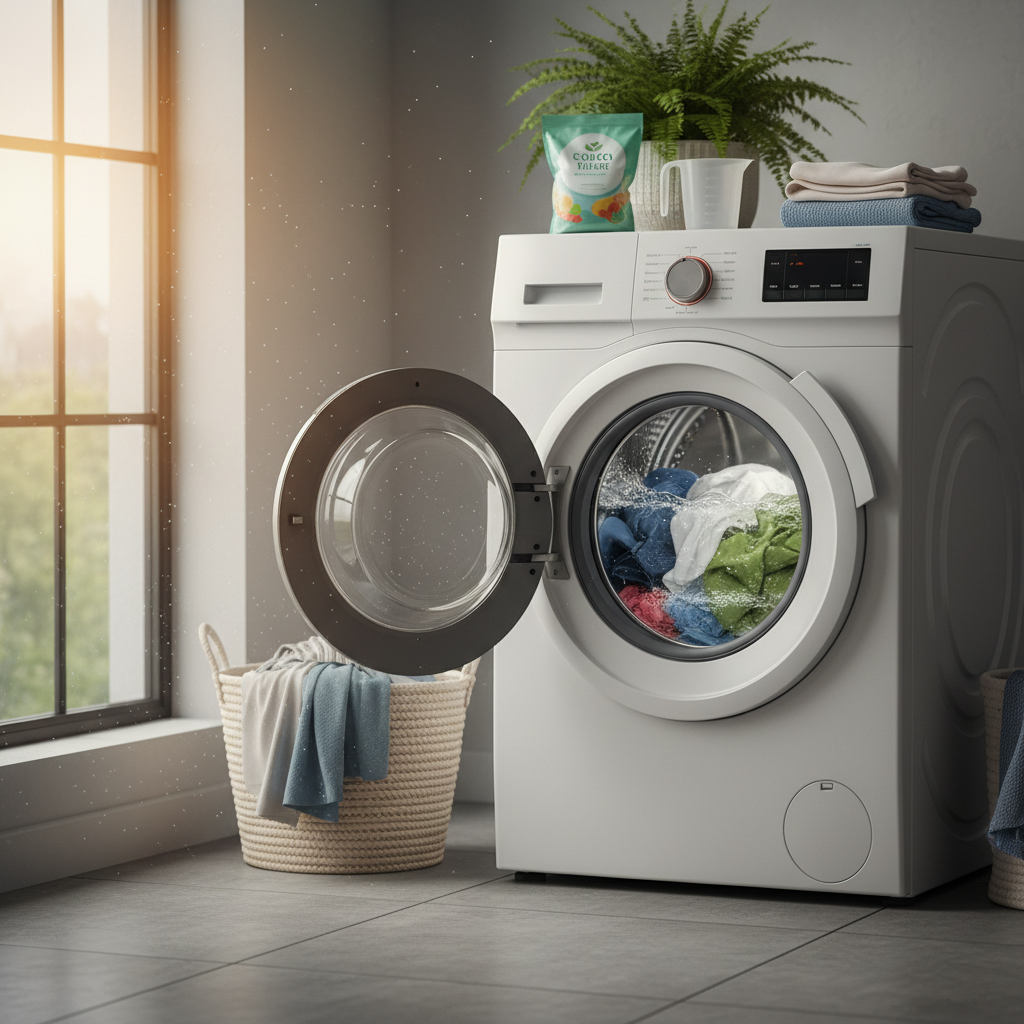
The Simple Principle: Dirt Doesn’t Stand a Chance
At its core, a washing machine’s job is straightforward: to remove dirt, stains, and odors from your clothes. It does this by combining several key elements: mechanical action, water, detergent, and heat. The machine agitates the clothes, the water and detergent loosen the grime, and the water then flushes the dirt away. Simple, right? Well, let’s dive into the specifics.
Breaking Down the Machine: The Anatomy of Clean
To really understand how your washing machine works, we need to break it down into its main components. Each part plays a crucial role in the cleaning process. Imagine a well-choreographed dance, where each dancer (component) knows its steps perfectly.
The Tub: Where the Action Happens
This is the heart of the operation. The tub, or drum, is where your clothes and water meet. It’s designed to withstand the constant spinning and agitation. Most modern machines have two tubs: an outer tub that contains the water and an inner tub (the drum you see) that holds the clothes. The space between the two tubs is vital for balancing the machine and allowing the water to drain properly.
The Motor: The Muscle Behind the Spin
The motor is the workhorse. It provides the power needed to rotate the inner drum. Depending on the type of machine, the motor can drive the drum directly (direct-drive) or through a belt and pulley system. The motor’s speed and direction are precisely controlled to provide different wash cycles – from gentle cycles for delicates to powerful spins for removing water.
The Pump: The Drainer
Once the wash cycle is complete, the dirty water needs to go somewhere. That’s where the pump comes in. This vital component pumps the water out of the outer tub and through a drain hose. A clogged pump can mean a flooded laundry room, so it’s essential to keep this part clean and free of debris.
The Water Inlet Valves: The Guardians of the Flow
These valves control the flow of water into the machine. They open and close based on the cycle selected and the water temperature needed. The machine uses both hot and cold water inlets, mixing them to achieve the perfect temperature for your load. These valves also ensure the correct water level for optimal cleaning and rinsing.
The Control Panel: The Brains of the Operation
The control panel is your command center. It houses the electronics and controls that manage all the machine’s functions. From selecting wash cycles to setting water temperature and spin speed, the control panel tells the machine what to do and when to do it. Modern machines often have sophisticated touchscreens and Wi-Fi connectivity, allowing for remote control and smart features.
The Detergent Dispenser: The Mixer
This compartment dispenses the detergent, fabric softener, and bleach at the appropriate times during the wash cycle. It ensures that the cleaning agents are added at the right moment, maximizing their effectiveness and preventing them from damaging your clothes.
Step-by-Step: The Washing Machine’s Dance
Let’s take a closer look at the actual process, from start to finish. Imagine the journey your clothes take when you press that “start” button.
- Filling: The water inlet valves open, allowing water to flow into the outer tub. The control panel ensures the correct amount of water is added, based on the load size and cycle selected.
- Mixing: As the tub fills, the detergent dispenser releases the detergent into the water. This creates a soapy mixture that will help to lift dirt and stains from your clothes.
- Agitation: The motor kicks in, rotating the inner drum. The clothes tumble and rub against each other, dislodging dirt. Agitation patterns vary depending on the cycle (e.g., gentle, normal, heavy-duty).
- Heating (if selected): If a hot water cycle is chosen, the water is heated to the desired temperature by a heating element. This enhances the cleaning power of the detergent, especially on greasy stains.
- Draining: After the wash cycle, the pump activates, draining the dirty water out of the outer tub.
- Rinsing: Clean water is added to the tub, and the clothes are agitated again to rinse away any remaining detergent and dirt. The draining process is repeated.
- Spinning: The drum spins at high speed, forcing water out of the clothes. This prepares the clothes for drying. The spin speed is adjustable, with higher speeds resulting in drier clothes.
- Final Touches: Fabric softener might be added during the final rinse to give your clothes a fresh smell and feel. Some machines have a separate dispenser for bleach.
Common Misconceptions: Busting Laundry Myths
There are many myths about how washing machines work. Let’s clear up some of the most common ones.
- Myth: More detergent equals cleaner clothes.
- Myth: Hot water always cleans better.
- Myth: You need to pre-wash heavily soiled clothes.
- Myth: You can overload the machine.
Reality: Using too much detergent can leave residue on your clothes and in your machine. Always follow the detergent manufacturer’s instructions.
Reality: Hot water can shrink and fade some fabrics. Cold water is often sufficient for everyday washing and is gentler on your clothes and more energy-efficient.
Reality: Modern washing machines are designed to handle most types of dirt and stains. Pre-treating stains with a stain remover is often more effective.
Reality: Overloading can reduce cleaning effectiveness and strain the machine’s motor. Leave some room for the clothes to move freely.
Impact of Usage and Environment: How Small Changes Affect Performance
The performance of your washing machine can be significantly affected by how you use it and the environment it operates in. Here are some factors to consider:
- Water Hardness: Hard water contains high levels of minerals, which can reduce the effectiveness of detergents and leave mineral deposits in your machine. Using a water softener or extra detergent can help.
- Detergent Type: Using the wrong type of detergent (e.g., using regular detergent in an HE machine) can lead to poor cleaning and build-up.
- Load Size: Overloading or underloading can affect cleaning performance and damage the machine.
- Regular Maintenance: Cleaning the detergent dispenser, wiping down the tub, and running a cleaning cycle regularly can prevent build-up and keep your machine running smoothly.
- Temperature: Washing at lower temperatures can save energy and be gentler on your clothes, without compromising cleanliness.
Modern Relevance: The Smart Washing Machine Era
Today’s washing machines are packed with smart technology, making laundry more efficient and convenient. Here are some of the features you might find in a modern washing machine:
- Smart Connectivity: Wi-Fi enabled machines can be controlled remotely via a smartphone app. You can start, stop, and monitor cycles from anywhere.
- Automatic Detergent Dispensing: Some machines automatically dispense the correct amount of detergent, taking the guesswork out of laundry day.
- Load Sensing: Sensors detect the weight and type of load, automatically adjusting water levels and cycle times.
- Specialized Cycles: Many machines offer specialized cycles for delicate fabrics, sportswear, and even pet bedding.
- Energy Efficiency: Modern machines are designed to be highly energy-efficient, saving you money on your utility bills.
A Clearer Mental Model: Understanding the Clean
So, the next time you load your washing machine, you’ll know that it’s more than just a box that spins clothes. It’s a complex system, meticulously designed to clean your clothes with a combination of mechanical action, water, and detergent. Here’s a quick recap to solidify your understanding:
- The tub holds the clothes, water, and detergent.
- The motor provides the power to agitate and spin.
- The pump removes the dirty water.
- Water inlet valves control the water flow and temperature.
- The control panel is the brain of the operation.
- Detergent is added at the right time for optimum cleaning.
When you boil it all down, your washing machine is a marvel of engineering, making the often-dreaded chore of laundry a little easier, one spin at a time.
FAQ: Your Laundry Questions Answered
Here are some of the most frequently asked questions about washing machines, answered in simple terms.
- Why does my washing machine smell musty?
Musty smells often come from mold and mildew buildup in the machine. Run a cleaning cycle with a washing machine cleaner or a mixture of vinegar and baking soda regularly to prevent this. Make sure to leave the door open after each wash to allow the machine to air out.
- How often should I clean my washing machine?
It’s a good idea to clean your washing machine every month or two, depending on how often you use it. A cleaning cycle can remove residue and buildup, keeping your machine running efficiently. Also, wipe the door and the rubber seal after each use.
- What causes my washing machine to vibrate so much?
Vibrations can be caused by an unbalanced load or the machine not being level. Make sure your machine is on a stable, level surface and that you’re distributing clothes evenly in the drum. Consider checking the feet on the machine to see if they need adjusting.
- Why isn’t my washing machine draining properly?
Clogs in the drain hose or pump are common culprits. Check the drain hose for kinks or blockages. If the drain hose is clear, there may be an obstruction in the pump. Consult your manual for instructions on how to access and clean the pump. Be sure to disconnect the power source before starting.
- How can I make my clothes cleaner?
Using the correct amount of detergent is key. Overdoing it can leave residue. Pre-treating stains is also effective. You can also try washing your clothes in warm water instead of hot, or washing whites with bleach to give them a boost.
- What’s the difference between a top-load and front-load washing machine?
Front-load machines are generally more energy and water-efficient and offer better cleaning performance. However, they can be more expensive and may require more maintenance to prevent mold and mildew growth. Top-load machines are usually more affordable and easier to load, but they might use more water and energy.
- What’s the best way to save energy when doing laundry?
Wash your clothes in cold water whenever possible, as this uses less energy than hot water. Only run full loads, and consider using the energy-saving or quick wash settings. Also, clean the lint filter after every drying cycle, because a clogged filter will make your machine work harder. Check out our related article on energy efficiency.