
We all love the convenience of a smart home, right? “Set it and forget it” is the mantra, the promise of effortless living. You set up your lights to turn on at sunset, your thermostat to adjust automatically, and your security system to keep a watchful eye. It all seems so efficient, so futuristic. But what if I told you that this very convenience could be leading to some hidden problems, quietly eating away at your budget and potentially even creating safety risks? Let’s dive in.
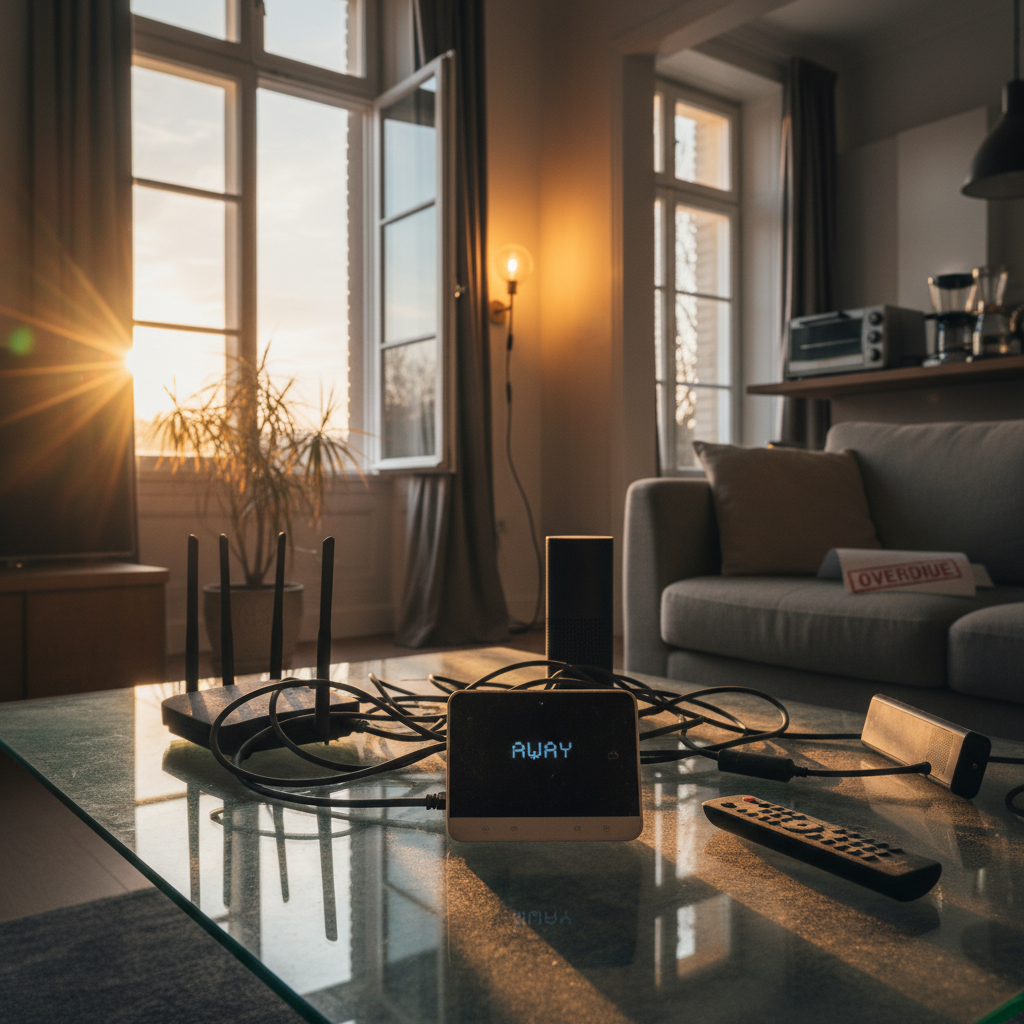
The Illusion of Automation
The beauty of a smart home is supposed to be its ability to handle things for you. But how often do you actually check in on those automated systems? Think about your smart lights. Are they always on during the hours you’re actually home? Or do they sometimes illuminate an empty house, needlessly burning electricity? What about your thermostat? Is it set to an appropriate temperature when you’re away, or is it defaulting to something that’s wasting energy?
Most of us, once we’ve set up these smart devices, tend to just…leave them. We assume they’re working optimally, saving us money, and contributing to a more comfortable and secure home. This “set it and forget it” mentality is where the problems begin. It’s the equivalent of putting your car on autopilot and never checking the fuel gauge or the engine – you might get lucky, but chances are, you’ll eventually run into trouble.
The Hidden Costs of Always-On Devices
One of the biggest culprits of wasted energy in a smart home is the “always-on” nature of many devices. Think about all those little boxes and gadgets: smart speakers, security cameras, smart plugs, and even your smart TV when it’s in standby mode. These devices, even when not actively in use, are still drawing power. It’s a phenomenon known as “phantom load” or “vampire power,” and it can significantly increase your electricity bill over time.
Consider a typical home with a handful of smart devices. Each individual device might draw a small amount of power, but when you add them all up, the cumulative effect can be surprising. And the more smart devices you add, the bigger the drain on your wallet. It’s like having a slow leak in a pipe – each drop seems insignificant, but over time, you’ve wasted a lot of water. This is especially true now, in 2026, when technology is ever-present in our lives, making the phantom load potentially even higher.
Beyond the Bill: Security and Safety Concerns
The “set it and forget it” approach can also create security vulnerabilities. Let’s say you have a smart security system. If you haven’t updated the software on your devices, or if you’re using weak passwords, you could be leaving your home open to hackers. The same goes for any smart device connected to your home network – a compromised device can provide an entry point for cybercriminals. In today’s interconnected world, this is a serious concern.
Another potential safety concern is the overuse of smart appliances. For instance, a smart oven that’s accidentally left on while you’re away can be a fire hazard. Similarly, smart plugs can overload a circuit if you plug in too many high-wattage devices. These risks are amplified when you’re not actively monitoring your smart home’s performance.
Common Mistakes and How to Avoid Them
Many homeowners make the following mistakes when setting up and managing their smart homes:
- Ignoring Software Updates: This is crucial! Regular updates patch security flaws and improve device performance. Many people just click “remind me later,” but it’s essential to stay on top of this.
- Using Weak Passwords: “123456” or your pet’s name aren’t going to cut it. Create strong, unique passwords for each device and change them regularly.
- Failing to Unplug When Not in Use: Remember the “phantom load” issue? Smart devices that are not in use still consume power. Unplugging them when not needed is an easy way to save energy.
- Overlooking Energy Consumption Settings: Many smart devices have energy-saving modes. Make sure they’re enabled. Your smart TV, for instance, likely has an “energy saving” setting that will dim the screen and reduce power consumption when not in active use.
- Assuming Everything “Just Works”: Don’t assume your devices are always operating at peak efficiency or security. Schedule regular check-ins to monitor their performance and make adjustments as needed.
Smarter Habits for a Smarter Home
Here are some simple steps you can take to make your smart home truly smart and efficient:
- Regular Audits: Once a month, do a quick audit of your smart home. Check your energy bills to identify any unusual spikes. Review your device settings. Ensure all software is up-to-date.
- Create Schedules and Automations: Take control of your devices. Set schedules for lights, thermostats, and other appliances. Use automation features to turn off devices when you’re not home or asleep.
- Use Smart Plugs Strategically: Smart plugs are great for controlling devices, but don’t overload outlets. Also, consider using them for devices that you only need occasionally, like a coffee maker or a holiday decoration.
- Invest in a Smart Home Hub: A central hub can manage all your devices from a single interface, making it easier to monitor and control everything. Many hubs also offer energy-saving features and security enhancements.
- Review Energy Usage Data: Many smart devices and apps provide data on your energy consumption. Use this information to identify areas where you can improve efficiency. Pay attention to which devices use the most power and adjust your usage habits accordingly.
- Educate Yourself: The smart home landscape is constantly evolving. Stay informed about the latest security threats, energy-saving technologies, and best practices for managing your devices.
Once you change this, everything feels easier. You’re no longer just passively accepting whatever your smart home does. You are actively managing it, ensuring it aligns with your energy-saving goals, security needs, and lifestyle preferences. This approach not only saves you money and reduces your environmental impact, but it also gives you greater peace of mind knowing that your home is secure and operating efficiently.
The Long-Term Rewards: Peace of Mind and Savings
By adopting these simple habits, you can transform your smart home from a source of potential problems into a true asset. You’ll save money on your energy bills, reduce the risk of security breaches, and create a safer, more comfortable living environment. The long-term rewards are substantial: peace of mind, financial savings, and a more streamlined daily life.
Think about it: less energy wasted means a smaller carbon footprint. Fewer security vulnerabilities mean fewer worries. More efficient appliances mean less wear and tear and fewer repairs. It’s a win-win situation.
And let’s be honest, in today’s fast-paced world, who doesn’t want to simplify and streamline their life? By taking a proactive approach to your smart home, you can do just that.
FAQs: Your Smart Home Questions Answered
Here are some frequently asked questions about smart home efficiency and safety:
- How often should I update the software on my smart devices?
- Are smart plugs safe to use?
- How can I monitor my energy usage?
- What’s the best way to secure my smart home network?
- Can smart devices really save me money?
- What should I do if I think my smart home has been hacked?
- Do I need a smart home hub?
As soon as updates are available. Most devices will notify you automatically. Don’t delay these updates, as they often include crucial security patches and performance improvements.
Yes, but make sure the smart plugs you purchase are UL-certified (or have a similar safety certification) and that you don’t overload them. Always check the wattage rating and avoid plugging in devices that exceed it. They are generally safe, but should be used thoughtfully.
Many smart devices have built-in energy monitoring features. You can also use a smart home hub or a separate energy monitoring device to track your energy consumption. Your energy provider’s app may also provide insights into your usage.
Start with a strong password for your Wi-Fi network. Enable two-factor authentication on all of your devices. Keep your router’s firmware up to date. Also, consider segmenting your network, so that your smart devices are on a separate network from your computers and personal devices. The less access any one device has to everything else, the better.
Yes, but you need to manage them properly. By using smart devices to automate energy-saving tasks, such as turning off lights and adjusting your thermostat, you can significantly reduce your energy bills. But this requires you to stay engaged and check in on them. Consider it an investment that pays off over time.
Immediately change the passwords for all of your smart devices and your Wi-Fi network. Disconnect any suspicious devices from your network. Contact the device manufacturers for assistance. You can also contact a cybersecurity expert or your local law enforcement agency. It’s better to be safe than sorry, so don’t delay.
Not necessarily, but a smart home hub can simplify the management of your smart devices and offer enhanced security features. It’s a great way to tie all your devices together, which often results in increased convenience and overall efficiency. It is definitely worth exploring if you have a lot of smart devices.
In conclusion, the “set it and forget it” approach to smart home management is a recipe for potential problems. By taking a proactive and informed approach, you can harness the full potential of your smart home, saving money, enhancing security, and creating a more comfortable and efficient living environment.
Want to go deeper into saving money and making the most of your appliances? Check out this article on how a washing machine gets clothes clean! It can help you save on your electricity bill as well.
So, the next time you’re tempted to just “set it and forget it,” remember these tips. Your wallet, your safety, and your peace of mind will thank you.