
You know the feeling. It’s a scorcher outside – the kind of day where the air itself feels heavy and thick, like a warm blanket. You step inside, hit that little “on” button on the wall, and *ahhhhh*. Within minutes, a wave of cool, crisp air washes over you. It’s a modern miracle, really. But have you ever stopped to wonder exactly *how* your air conditioner (AC) performs this everyday feat of temperature wizardry? Let’s dive in and demystify the magic box that keeps us cool.
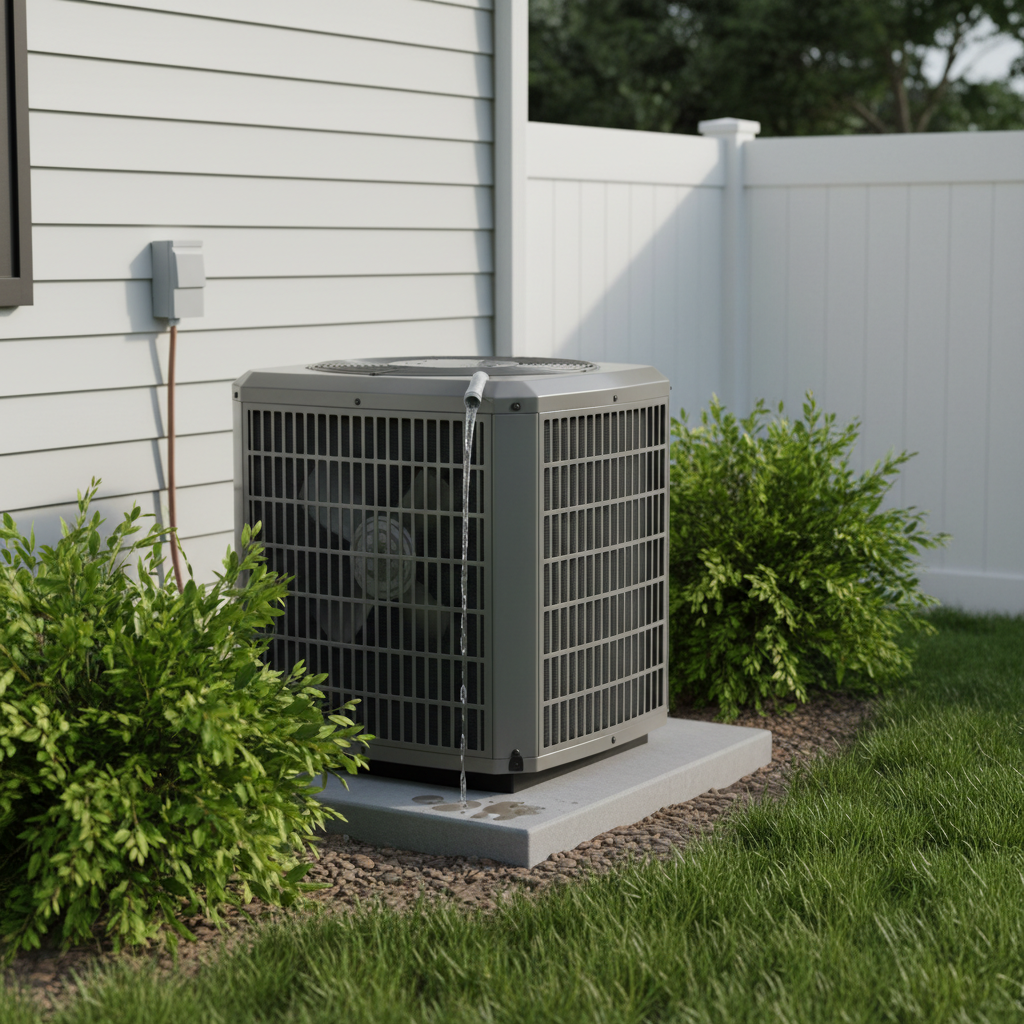
The Big Picture: Heat’s Great Escape
At a basic level, this works because an air conditioner is essentially a heat *mover*, not a cold *maker*. Think of it like a reverse refrigerator. A fridge pulls heat *out* of your food to keep it cold inside, and your AC does the same for your house. It grabs the warm air from inside your home and throws it *outside*, leaving behind a refreshing oasis.
This heat transfer happens thanks to something called a *refrigerant*. It’s a special fluid that can change from a gas to a liquid and back again, and it’s the workhorse of the entire system. This process requires a few key components:
- Compressor: The heart of the system, it pumps the refrigerant and increases its pressure.
- Condenser Coil: This is where the refrigerant releases its heat to the outside air.
- Evaporator Coil: This is where the refrigerant absorbs heat from your indoor air.
- Expansion Valve: It controls the flow of refrigerant.
- Fans: They help move air across the coils.
Breaking Down the Process: A Step-by-Step Guide
Now, let’s follow the refrigerant’s journey and see how these parts work together:
- Step 1: The Compressor’s Role
The compressor, usually located in the outdoor unit, is the engine of your AC system. It takes in low-pressure refrigerant gas and squeezes it, making it much smaller and hotter – like what happens when you compress air in a bike pump. This compression is key to the whole process, and the compressor is often referred to as the heart of the air conditioning system.
- Step 2: Heat Release at the Condenser
The hot, high-pressure refrigerant gas then moves to the condenser coil, which is also usually located in the outdoor unit. Here, a fan blows outside air across the coil. This process cools the refrigerant, causing it to condense into a high-pressure liquid and releasing the heat it absorbed from your house into the outside air. You’ll often see this as a slight heat haze rising from your AC unit on a hot day.
- Step 3: Expansion and Cooling
The high-pressure liquid refrigerant then travels through an expansion valve. This valve is a narrow passage that suddenly drops the pressure of the refrigerant. This sudden drop in pressure causes the refrigerant to rapidly cool, becoming a low-pressure, cold liquid.
- Step 4: Heat Absorption at the Evaporator
The cold, low-pressure refrigerant now enters the evaporator coil, which is located inside your home, usually in the air handler. A fan blows warm air from your house across this cold coil. The refrigerant absorbs the heat from the air, causing the refrigerant to vaporize into a low-pressure gas. This cooled air is then circulated back into your home through the vents.
- Step 5: The Cycle Repeats
The now warm refrigerant gas returns to the compressor, and the whole cycle starts over. The system continuously removes heat from your home and releases it outside, keeping you cool and comfortable.
Common Misconceptions: Busting the Myths
There are a few things people often misunderstand about air conditioners:
- Myth: An AC *creates* cold air.
Reality: As we’ve seen, it *removes* heat. The AC doesn’t actually make cold air; it just moves the heat somewhere else.
- Myth: The refrigerant eventually runs out.
Reality: Refrigerant circulates in a closed loop. It *shouldn’t* run out unless there’s a leak in the system. A yearly check-up can help you identify any leaks before they cause major issues.
- Myth: A higher SEER rating always means colder air.
Reality: A higher Seasonal Energy Efficiency Ratio (SEER) rating means the unit is more efficient, using less energy to provide the same amount of cooling. The temperature of the air coming out of the vents won’t be noticeably colder, but your electricity bill will be lower.
Small Changes, Big Impact: How Your Habits Affect Performance
Your AC’s performance isn’t just about the machine itself. Your daily habits and the environment around the unit make a difference:
- Regular Maintenance: This is huge! Clean or replace your air filter regularly (every 1-3 months is a good rule of thumb). A dirty filter restricts airflow, making the AC work harder and reducing its efficiency. You can also clean the outdoor unit, removing leaves or debris.
- Smart Thermostat: Installing a smart thermostat allows you to program temperatures and automatically adjust based on the time of day, saving energy.
- Close the Curtains: Direct sunlight heats up your home. Closing curtains and blinds during the hottest parts of the day can significantly reduce the load on your AC.
- Seal Leaks: Check for drafts around windows and doors. Sealing these leaks prevents warm air from entering your home, making your AC more efficient.
- Mind the Outdoor Unit: Ensure the outdoor unit has plenty of space around it. Keep bushes and other obstructions away, allowing for proper airflow.
These simple tweaks can improve the efficiency of your AC and even lower your energy bills. You might also find other ways to save on your energy bill, such as rethinking your laundry routine.
Modern Relevance: AC in the 2020s
In 2026, air conditioning is no longer just a luxury. It’s a necessity, especially in a world grappling with climate change and increasingly extreme weather. That’s why advancements in AC technology are focused on:
- Energy Efficiency: The push for higher SEER ratings continues, with units using less and less energy to cool our homes.
- Smart Features: Wi-Fi-enabled AC units let you control your cooling from anywhere and integrate with smart home systems.
- Eco-Friendly Refrigerants: Manufacturers are using refrigerants with lower Global Warming Potential (GWP) to reduce the environmental impact.
- Zoned Systems: These systems allow you to cool only the rooms you’re using, saving energy and providing personalized comfort.
The Takeaway: A Cooler, Smarter Home
Now that you understand the process, you can explain it to someone else! Here’s the core idea: Your AC moves heat from inside your home to the outside, using a special fluid (refrigerant) and a cycle of compression, condensation, expansion, and evaporation. By understanding the basics and taking care of your system, you can stay cool, save money, and contribute to a more sustainable future.
Frequently Asked Questions
Here are some common questions people have about air conditioners:
- Why is my AC not cooling as well as it used to?
- How often should I have my AC serviced?
- What does SEER mean?
- What’s the difference between central AC and a window unit?
- My AC is making a strange noise. What should I do?
- How can I make my AC more efficient?
- What is a ductless mini-split?
- How do I know what size AC I need?
Several things could be the issue. A dirty air filter is a common culprit. There might be a refrigerant leak, or the unit may need a general tune-up by a qualified technician.
It’s a good idea to have your AC serviced at least once a year, preferably before the cooling season begins. This can help identify and fix any potential problems.
SEER stands for Seasonal Energy Efficiency Ratio. It’s a measure of how efficiently your AC cools your home over a cooling season. A higher SEER rating means a more energy-efficient unit.
Central AC cools your entire home through ductwork. Window units are self-contained units that cool a single room.
Turn off the AC immediately and call a qualified technician. Unusual noises can indicate a serious problem, like a failing compressor.
Change your air filter regularly, close your curtains during the day, seal any air leaks, and ensure your outdoor unit is clear of obstructions.
A ductless mini-split is a type of air conditioner that doesn’t require ductwork. It has an outdoor unit and one or more indoor units that can be placed in different rooms, providing zoned cooling.
The size of your AC unit is measured in BTUs (British Thermal Units). To figure out what size you need, you should consider the size of your house or the area that needs to be cooled and consult with an HVAC professional.