
Ugh, the fridge. It’s supposed to be this silent, dependable workhorse, right? Keeping our food fresh, drinks cold, and generally making our lives easier. But then… it decides to quit on you. You open the door, and instead of that satisfying blast of cold air, you’re hit with a warm, slightly worrying breeze. Panic starts to set in, doesn’t it? You start picturing the mountains of groceries you just bought, now at risk of turning into a science experiment. Deep breaths, my friend. I’ve been there. More than once, actually. And trust me, most of the time, it’s not the end of the world.
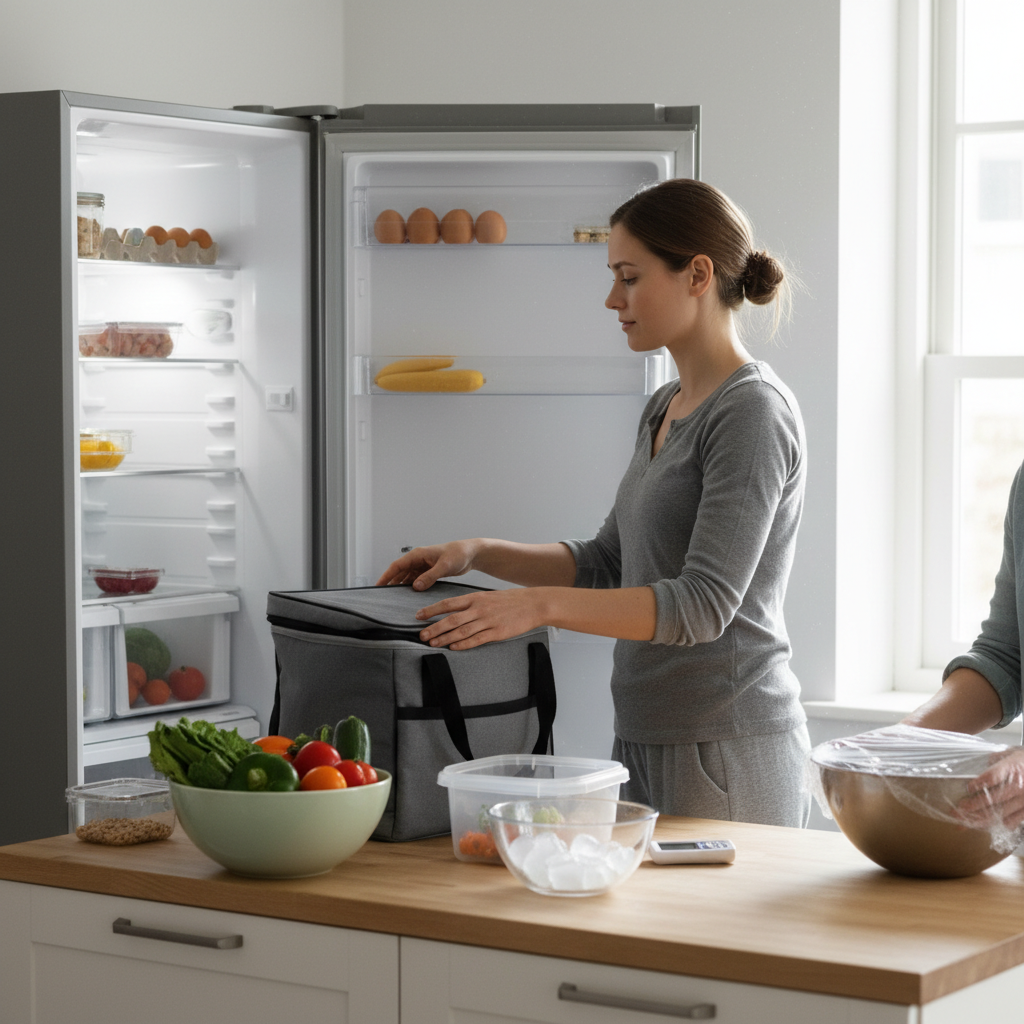
This isn’t some complex appliance saga where you need a degree in refrigeration to understand what’s going on. This is about real-life, practical fixes you can try *before* you call the repair guy (and potentially spend a fortune). Let’s get your fridge back in the game.
First Things First: Don’t Panic! (And Take a Look Inside)
Okay, so your fridge isn’t cooling. The first thing you need to do is a quick inventory. What’s in there? How long has it been warm? Are things starting to feel… well, *off*? The longer the food has been at the wrong temperature, the more urgent the situation becomes. Toss anything that seems questionable (smells weird, looks slimy – you know the drill). Better safe than sorry when it comes to food poisoning.
Now, let’s calm down. The fact that the fridge isn’t working right doesn’t mean it’s permanently broken. Let’s walk through some common culprits and easy fixes.
Why Your Fridge Might Be Throwing a Temper Tantrum
There are several reasons why your fridge might decide to take a vacation from its primary job: keeping things cold. Here are the most common:
- Power Problems: This seems obvious, but hey, it happens. A tripped breaker, a loose power cord, or a power outage you weren’t aware of can all cause your fridge to stop cooling.
- Door Seal Issues: That rubber gasket around the door? It’s crucial. If it’s warped, torn, or dirty, warm air will seep in, and cold air will escape.
- Blocked Vents: Many fridges have vents inside that circulate cold air. If these vents are blocked by food items, the air can’t circulate properly, leading to uneven cooling.
- Dirty Condenser Coils: These coils, usually located on the back or bottom of your fridge, release heat. If they’re covered in dust and grime, they can’t do their job effectively, and the fridge struggles to cool.
- Thermostat Troubles: The thermostat tells the fridge how cold to get. If it’s malfunctioning, the fridge might not be getting the message to cool down.
- Compressor Failure: This is the heart of your fridge’s cooling system. If the compressor isn’t working, your fridge won’t cool. This is often a sign you need a repair professional.
The Mistakes People Make (And How to Avoid Them)
Okay, so you’ve got a warm fridge. Here’s where people tend to go wrong:
- Ignoring the Obvious: Not checking the power supply first! Seriously, check the outlet, the cord, and your circuit breaker before you do anything else.
- Overloading the Fridge: Cramming everything in. Overstuffing the fridge blocks airflow, making it harder for the cold air to circulate.
- Assuming the Worst: Immediately jumping to the conclusion that you need a new fridge or a super-expensive repair. Often, it’s something simple.
- Ignoring the Basics: Neglecting regular cleaning and maintenance. A clean fridge is a happy fridge.
- Messing with Things You Don’t Understand: If you’re not sure what you’re doing, don’t start pulling apart wires and components. You could make the problem worse, or even hurt yourself.
Step-by-Step Fixes You Can Actually Do at Home
Now for the good stuff: the things you can actually *do* to try and fix your fridge. Let’s work through these step-by-step:
Step 1: The Power Check
This is where you start. Seriously, it’s the most common problem.
- Check the Plug: Is the power cord plugged in securely? Unplug it and plug it back in. It sounds silly, but you’d be surprised.
- Check the Outlet: Plug something else (like a lamp or your phone charger) into the outlet to see if it’s working.
- Check the Circuit Breaker: Go to your circuit breaker box and check the breaker that controls your fridge. It may have tripped. If it has, flip it back on. If it trips again immediately, you might have a more serious electrical issue, and it’s time to call an electrician.
Step 2: Door Seal Detective Work
Inspect the rubber gasket around the fridge door and the freezer door (if you have one).
- Look for Damage: Are there any tears, cracks, or gaps?
- Clean it: Wipe the gasket with warm water and a little bit of dish soap. Sometimes, a dirty seal just isn’t making a good contact.
- Test the Seal: Close the door on a piece of paper. If you can pull the paper out easily, the seal isn’t working properly.
Step 3: Airflow Audit
Open up the fridge and take a good look at how your food is arranged.
- Clear the Vents: Make sure the vents inside the fridge aren’t blocked by food containers or boxes.
- Proper Arrangement: Avoid cramming items tightly together. Leave some space for air to circulate.
Step 4: Condenser Coil Cleanup
This is a bit more involved, but it can make a big difference.
- Unplug the Fridge: Safety first! Always unplug the fridge before working on the back or bottom.
- Locate the Coils: The condenser coils are usually on the back or underneath the fridge (you may need to pull the fridge out).
- Clean the Coils: Use a vacuum cleaner with a brush attachment or a condenser coil brush to remove dust and debris. Be gentle.
Step 5: Temperature Check and Adjustments
Make sure the temperature settings on your fridge and freezer are correct.
- Check the Thermostat: Ensure your fridge and freezer are set to the correct temperatures (typically around 37-40°F / 3-4°C for the fridge and 0°F / -18°C for the freezer).
- Give it Time: After adjusting the temperature, give the fridge a few hours to cool down before you start to worry.
When to Call in the Pros
You’ve done all the basics, and your fridge is still not cooperating. It might be time to call a repair technician if:
- The compressor isn’t running: If you can’t hear the compressor (a humming sound) when the fridge is plugged in, it might be the problem.
- The fridge is making unusual noises: Loud banging, clanking, or buzzing sounds could indicate a serious issue.
- There’s water leaking: This could point to a defrost system problem or a blocked drain.
- You smell a burning odor: This is a serious sign of electrical problems. Turn off the fridge immediately and call for professional help.
Long-Term Prevention: Keep Your Fridge Happy
Once you’ve got your fridge back on track, you want to keep it that way. Here are some tips:
- Regular Cleaning: Wipe down spills immediately, and deep-clean the fridge every few months.
- Check the Seals: Inspect the door seals regularly for damage or wear.
- Avoid Overloading: Don’t pack the fridge too full.
- Proper Food Storage: Store food properly to prevent spills and messes that can block vents.
- Monitor the Temperature: Use a fridge thermometer to make sure the temperature is always within the safe range.
The Bottom Line
A fridge that isn’t cooling is a headache, but it doesn’t have to be a disaster. By following these steps, you can often diagnose and fix the problem yourself, saving you time and money. And if you do need professional help, at least you’ll have a better idea of what’s going on. Now, go forth and conquer that warm fridge!
If you’re looking for other ways to tackle common home issues, be sure to check out Energy System for more practical guides.
Frequently Asked Questions (FAQs)
Here are some common questions about fridge problems, answered simply and practically:
Q: My fridge is running, but not cooling. What’s going on?
A: First, check the basics – power supply, temperature settings, and airflow. The condenser coils are a common culprit – they may need cleaning. A faulty thermostat could also be the issue.
Q: How often should I clean my refrigerator condenser coils?
A: Aim to clean your condenser coils every 6 to 12 months, or more often if you have pets or a dusty environment.
Q: My fridge is making a strange noise. Should I be worried?
A: It depends on the noise. A normal humming is fine. Loud banging, clanking, or buzzing sounds could indicate a problem with the compressor or another component and it is best to get a professional to check it out.
Q: My food is freezing in the fridge. What’s the problem?
A: The thermostat is probably set too low. Adjust the temperature setting to a warmer setting. You may also have a blocked vent causing the cold air to be concentrated in one area.
Q: How long can food stay in a fridge that’s not cooling?
A: If the fridge is warm, food safety depends on the temperature. Generally, if the temperature is above 40°F (4°C) for more than two hours, perishable food should be discarded.
Q: Is it worth repairing an old fridge?
A: It depends on the age and the nature of the repair. If the repair cost is more than half the price of a new fridge or if the fridge is very old, it might be more cost-effective to replace it. However, a simple repair can often extend the life of your fridge for a few more years.
Q: My fridge is cold, but the freezer isn’t. What’s the issue?
A: This could be an issue with the airflow between the freezer and the fridge. Check for blocked vents or ice buildup in the freezer. It might also be a problem with the defrost system.
Q: Where can I find more practical home tips?
A: For more practical solutions to common household issues, visit the Energy System website for helpful guides and articles.