
Ugh, there’s nothing quite like the sinking feeling of a washing machine that refuses to drain. You load up your favorite jeans, add the detergent, hit start… and then, disaster. The wash cycle finishes, but instead of clean clothes, you’re staring at a tub full of soapy water, and your laundry day grinds to a halt. Trust me, I’ve been there. More times than I care to admit. It’s one of those everyday problems that can turn a simple chore into a major headache. But don’t worry, it’s usually fixable without calling in a repair guy.
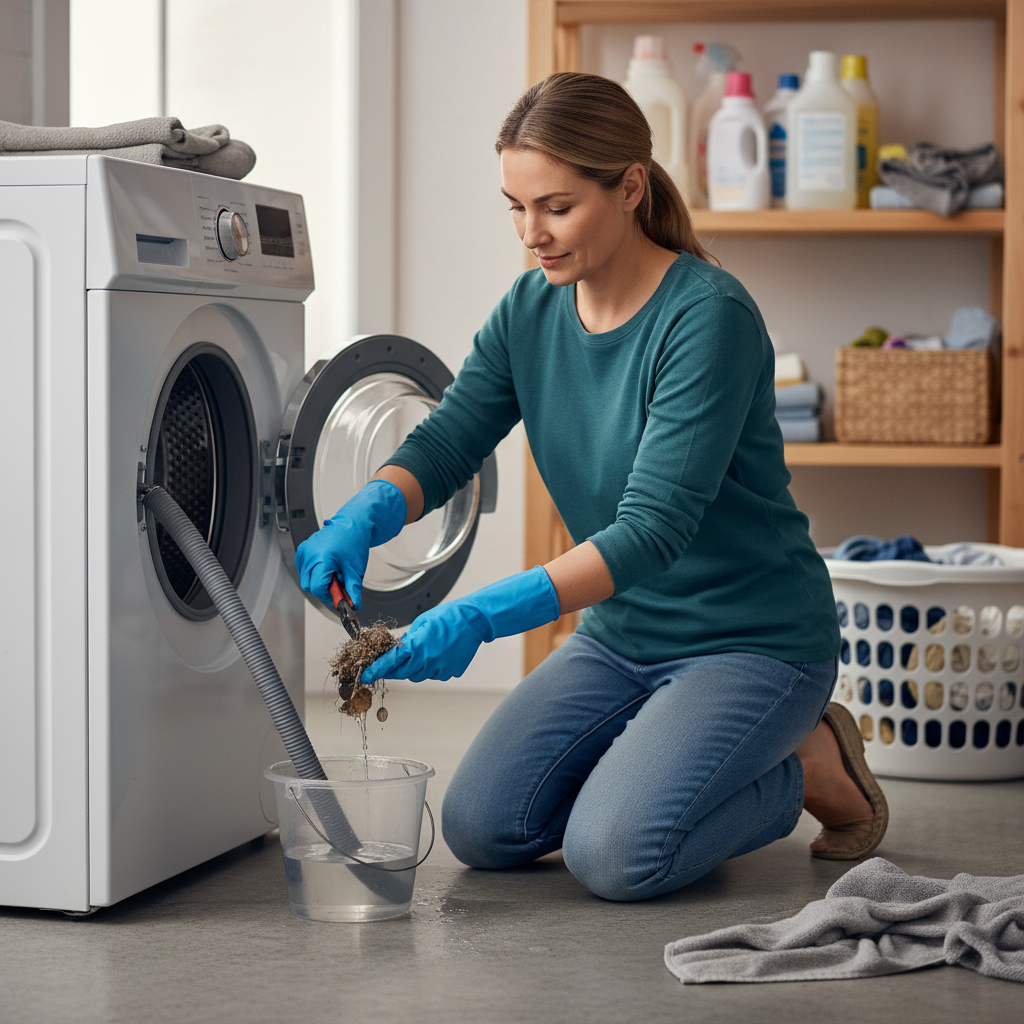
The Annoying Truth: Why Your Washing Machine Won’t Drain
So, what’s the deal? Why does this happen? The most common culprit is a clog. Think of your washing machine’s drain system like the pipes under your kitchen sink. Stuff gets in there that shouldn’t be, and before you know it, water can’t flow freely.
Here are the usual suspects:
- Lint: This is a big one. Over time, lint from your clothes can build up in the drain hose and pump, creating a stubborn blockage.
- Small Objects: Coins, buttons, even those tiny socks that magically disappear in the wash (seriously, where do they go?) can get lodged in the pump.
- Soap Buildup: Using too much detergent, especially with hard water, can lead to a thick, gunky residue that clogs the drain.
- Hair: If you wash a lot of towels or if you or someone in your home has long hair, hair can wrap around the pump impeller, stopping it from working.
- Drain Hose Issues: Sometimes, the drain hose itself gets kinked, pinched, or blocked by something outside the machine, preventing the water from draining properly.
It’s important to understand this because the cause dictates the fix.
What You’re Probably Doing Wrong (and How to Stop)
When your washing machine won’t drain, it’s easy to panic. You might start frantically mashing buttons, hoping it’ll magically fix itself. Or, you might grab the nearest plunger and start going to town. While a plunger might work in some cases, here’s what you should NOT do:
- Pouring More Water In: Resist the urge! Adding more water will only make the problem worse. You’ll end up with an even bigger mess.
- Using Harsh Chemicals Blindly: Drain cleaners can be tempting, but they can damage your washing machine’s parts, especially the rubber hoses and seals. They’re also not always effective for the types of clogs that commonly occur in washing machines.
- Ignoring the Problem: Hoping it’ll fix itself won’t work. The problem is likely to get worse and potentially cause more damage to your machine.
I know, I know. I’ve done all of these. Don’t feel bad. We’ve all been there.
The Real Fix: A Step-by-Step Guide to a Clear Drain
Here’s how to troubleshoot and fix your washing machine’s draining issues. It’s usually a pretty straightforward process. Always unplug your washing machine from the power outlet before doing any work.
- Safety First: Unplug the machine! Seriously, electricity and water don’t mix. Turn off the water supply to the washing machine as an extra precaution.
- Prepare for the Mess: Place towels and a bucket near the machine to catch any spilled water. You will have some!
- Locate the Drain Hose: This is the hose that connects to the drainpipe in your wall. Detach it from the drainpipe.
- Check the Drain Hose: Inspect the hose for kinks, clogs, or blockages. Run water through it to see if it flows freely. If it’s blocked, try flushing it with water from a garden hose.
- Access the Pump Filter: Most washing machines have a pump filter located behind a small access panel, usually at the bottom front. Consult your machine’s manual if you are unsure where it is on your model.
- Open the Access Panel and Prepare: Place the bucket below the access panel and prepare for more water to come out. Slowly open the access panel and unscrew the pump filter cap. Be patient here.
- Clean the Pump Filter: Carefully remove the pump filter. This is where you’ll likely find the lint, hair, and other debris. Clean it thoroughly under running water. Use a small brush (like an old toothbrush) to scrub away any stubborn buildup.
- Check the Pump Impeller: With the pump filter removed, take a look inside the pump housing. You should see the impeller (a small fan-like part). Make sure it can spin freely. If there’s hair wrapped around it, carefully remove it.
- Reassemble Everything: Replace the pump filter, screw the cap back on tightly, and close the access panel. Reconnect the drain hose.
- Test Run: Plug the machine back in, turn on the water supply, and run a short rinse and spin cycle. Watch to make sure the water drains properly.
If the water drains, congratulations! You’ve probably fixed the problem. If not, don’t worry. There are a couple more things to try.
If the Problem Persists: More Troubleshooting
If you’ve followed the steps above and your washing machine still won’t drain, it might be something more serious. Here are a couple more things to check:
- Check the Drainpipe: Sometimes, the problem isn’t with your washing machine, but with the drainpipe in the wall. Make sure it’s not clogged. You can try using a plumbing snake (also known as a drain auger) to clear any blockage.
- Inspect the Water Level Switch: The water level switch tells the machine when to stop filling. If it’s malfunctioning, the machine might not be able to drain properly. This is usually more of a problem with the machine not draining at all, but is worth a look if nothing else has worked.
- Check the Drain Pump: If everything else looks good, the drain pump itself might be faulty. You can usually test it with a multimeter. This is usually a job for a professional.
When to Call a Pro
While most drain problems are fixable at home, there are times when you should call a qualified appliance repair technician:
- If You’re Not Comfortable with DIY: If you’re not comfortable working on your washing machine, don’t force it. It’s better to be safe than sorry.
- If You Suspect a Motor Problem: If the motor seems to be the problem, it’s best to call for professional service.
- If You Can’t Locate the Problem: You’ve tried everything, and you still can’t figure out what’s wrong.
- If You Smell Burning: This could indicate a serious electrical issue. Turn off the machine immediately and call for help.
Long-Term Prevention: Keeping Your Drain Clear
Once you’ve fixed the problem, the best thing to do is prevent it from happening again. Here’s how:
- Clean the Pump Filter Regularly: Do this every few months, or more often if you do a lot of laundry.
- Use the Right Amount of Detergent: Too much detergent can lead to buildup. Use the amount recommended by the detergent manufacturer.
- Wash Towels and Lint-Producing Items Separately: This can help minimize the amount of lint that ends up in your drain.
- Check Pockets Before Washing: Get in the habit of checking pockets for coins, pens, and other small items.
- Consider a Washing Machine Cleaner: These cleaners can help remove buildup and keep your machine running smoothly.
- Regularly check the drain hose: Make sure there are no kinks or blockages.
I know it’s a pain to deal with a washing machine that won’t drain, but with a little troubleshooting, you can usually get it back up and running. Think of it as a small victory. You’ve saved yourself some money and avoided a major laundry crisis. Plus, you’ve learned a valuable life skill. Now go forth and conquer that laundry pile!
Frequently Asked Questions
Here are some common questions people ask when their washing machine won’t drain:
1. Why is my washing machine not draining after the wash cycle?
The most common causes are a clogged drain hose, a clogged pump filter, or a blockage in the drain pump itself. Less frequently, it may be caused by a faulty water level switch.
2. How do I unclog a washing machine drain?
Unplug the machine, locate the drain hose and pump filter, and carefully remove any blockages. Check the pump impeller to make sure it spins freely. You may need to use a plumbing snake to clear a blockage in the drainpipe.
3. Can I use a plunger to unclog a washing machine?
Yes, but with caution. A plunger can sometimes dislodge a clog. Make sure there’s some water in the machine. Place the plunger over the drain opening and use a firm, up-and-down motion. However, this may not always work, and it’s best to try other methods first.
4. How often should I clean my washing machine drain filter?
Clean your drain filter every few months, or more often if you do a lot of laundry, or notice an increase in lint.
5. What should I do if my washing machine drain pump is not working?
If the drain pump isn’t working, check for any obstructions. If the pump is still not working, it may be faulty and will require professional servicing.
6. How do I prevent clogs in my washing machine drain?
Clean the pump filter regularly, use the correct amount of detergent, wash towels and lint-producing items separately, and check pockets before washing.
7. How do I remove a coin from my washing machine?
First, unplug the machine. Locate and open the pump filter access panel. Carefully remove the filter and check for coins. You may also need to check the pump impeller. If the coin is lodged deeper, you may need to call a repair technician.
8. Can a clogged drain hose cause my washing machine not to spin?
A clogged drain hose will prevent the machine from draining the water, which can prevent it from spinning properly. The machine may be designed not to spin if it can’t drain the water.
For more energy saving tips, consider checking out this article on energy saving.