
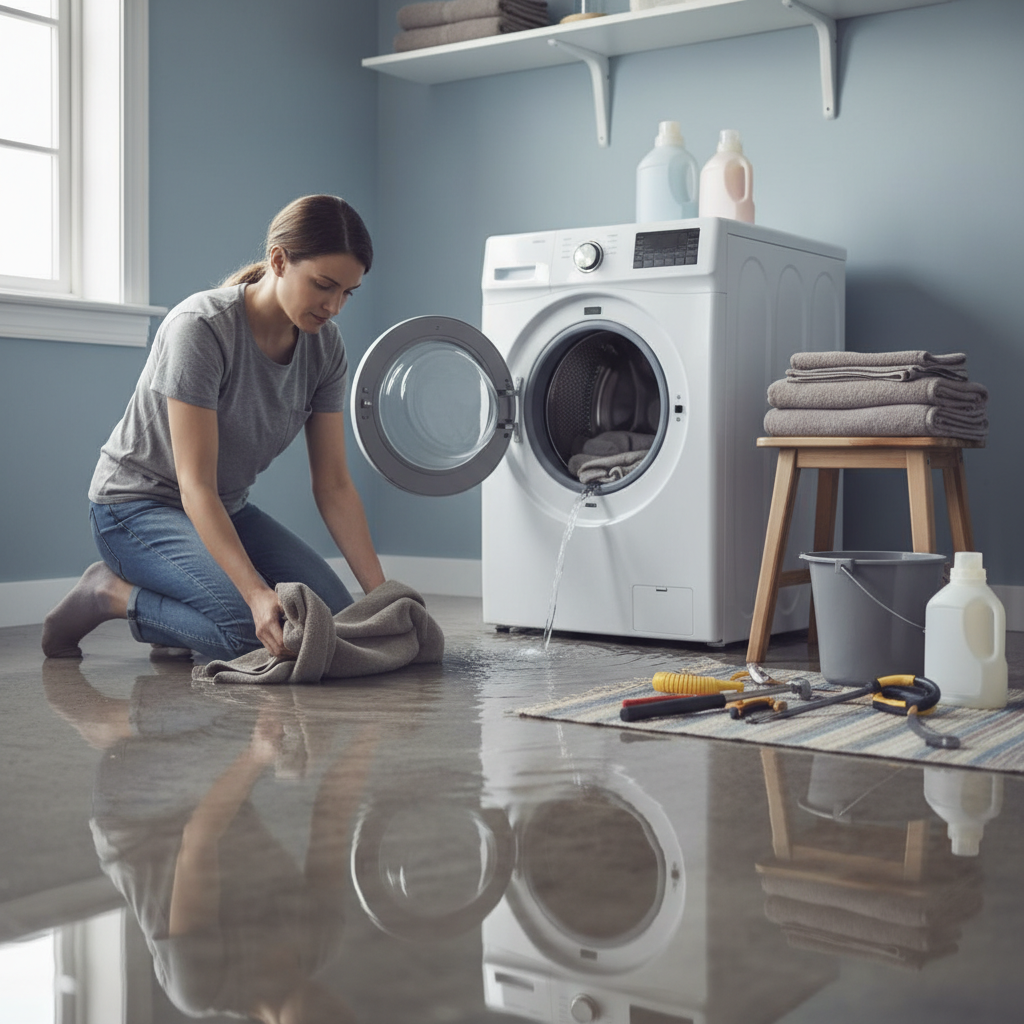
Ugh, the laundry. We all have a love-hate relationship with it, right? You toss in the clothes, the machine does its thing, and you expect clean, fresh-smelling garments to emerge. But what happens when the washing machine decides to play a cruel joke and refuses to drain? Suddenly, you’ve got a pool of dirty water and wet clothes, and your laundry room is looking more like a swimming pool. Been there, done that, and trust me, it’s a frustrating mess. But don’t panic! This isn’t the end of the world. Let’s get that washing machine draining again, shall we?
The Dreaded Washing Machine Drama: When Laundry Day Turns Sour
Picture this: you’ve loaded up the washing machine, poured in the detergent, and hit start. The machine fills, the clothes tumble, and everything seems fine. Then, the cycle ends, and… nothing. The water just sits there, sloshing around, mocking your clean clothes. Or maybe you noticed the water draining *really* slowly. Either way, you’re now facing a problem that can range from a minor inconvenience to a full-blown laundry room flood. And let’s be honest, nobody wants to deal with that. I’ve been there, staring at a washing machine full of water, wondering what I did wrong. (Spoiler alert: Usually nothing!)
This is where most people get stuck. What do you do? Call a repairman? Start bailing water with a bucket? Before you go to extremes, let’s figure out what’s really going on.
Why Won’t My Washing Machine Drain? The Usual Suspects
So, why does this happen? The reasons can vary, but here are the usual culprits behind a washing machine that won’t drain or drains slowly:
- Clogged Drain Hose: This is the most common issue. The drain hose, which carries the water out of the machine, can get clogged with lint, hair, small objects, or even a build-up of detergent residue.
- Clogged Drain Pump Filter: Most washing machines have a filter designed to catch debris before it reaches the pump. If this filter gets clogged, water can’t drain properly.
- Clogged Drain Pump: The drain pump is the workhorse of your washing machine, pushing the water out. If it gets blocked, it can’t do its job.
- Faulty Drain Pump: Sometimes, the pump itself fails. It could be a motor problem or a mechanical issue.
- Kinked or Damaged Drain Hose: If the drain hose is bent, kinked, or damaged, it can restrict the water flow.
- Issues with the Electrical Components: Problems with the timer, lid switch, or other electrical parts can also cause draining issues.
Now, before you start thinking about the worst-case scenario (a whole new washing machine!), let’s look at the simple fixes you can try at home.
What *Not* to Do: Common Mistakes and Misconceptions
Before we dive into the fixes, let’s talk about what *not* to do. Trust me, I’ve made some of these mistakes, and they just made the problem worse:
- Don’t Keep Running the Machine: If you realize the machine isn’t draining, immediately stop the cycle. Continuing to run it will only add more water and potentially damage the motor.
- Don’t Overload the Machine: Overloading your washing machine is a recipe for disaster. It can put extra strain on the drain pump and lead to clogs.
- Don’t Use Too Much Detergent: Excess detergent can create a soapy build-up in the machine, contributing to clogs.
- Don’t Pour Harsh Chemicals Down the Drain: While some people recommend using harsh chemicals to unclog a drain, these can damage your washing machine’s components.
- Don’t Assume the Worst: Often, the problem is something simple, like a clogged filter. Don’t jump to the conclusion that you need to replace your entire machine right away.
Step-by-Step Guide: How to Fix a Washing Machine That Won’t Drain
Alright, let’s get down to business. Here’s a practical, step-by-step guide to tackling the washing machine drain problem:
1. Safety First! Unplug the Machine
Before you do anything else, unplug your washing machine from the power outlet. This is crucial for your safety. You don’t want to risk electric shock while poking around inside the machine.
2. Assess the Situation: How Bad Is It?
Take a look at the water level in the machine. Is it just a little bit of water, or is the drum completely full? This will help you decide the best course of action.
3. Locate and Check the Drain Hose
The drain hose is the large, corrugated hose that runs from the back of the washing machine to the drainpipe in your wall.
Inspect the Hose: Carefully pull the hose away from the wall and examine it for any kinks, bends, or damage. Straighten out any kinks and replace the hose if it’s damaged.
Check the Connection: Make sure the hose is securely connected to both the washing machine and the drainpipe. Sometimes, a loose connection can cause draining problems.
Clear the Hose: With the hose disconnected from the drainpipe, hold the end over a bucket or sink. If there’s water in the machine, it will come gushing out. Now, try to clear any blockage. You can try:
- Rinsing the Hose: Run water through the hose to see if the blockage clears.
- Using a Plunger: If the blockage is stubborn, use a plunger to try to dislodge it.
- Using a Wire Coat Hanger: Straighten out a wire coat hanger and carefully feed it into the hose to break up any clogs.
4. Clean the Drain Pump Filter
Most front-load washers and some top-load washers have a drain pump filter located at the bottom of the machine, behind a small access panel. (Check your machine’s manual if you’re unsure where it is, it’s usually on the lower front.)
Locate the Filter: Find the access panel and open it. You might need a screwdriver or a coin to open the panel, depending on the model.
Prepare for Water: Place a shallow pan or towels underneath the filter, as some water will likely spill out when you remove it.
Unscrew the Filter: Carefully unscrew the filter (usually counterclockwise). Have a cloth ready to catch any water that spills out.
Clean the Filter: Remove any lint, hair, buttons, coins, or other debris from the filter. Rinse it under running water to ensure it’s clean.
Replace the Filter: Screw the filter back into place, making sure it’s snug but not overtightened.
5. Check the Drain Pump Itself
If the drain pump filter was clean, the problem might be inside the pump itself. This is a bit more involved, and you might need a screwdriver or other tools to access the pump.
Access the Pump: Consult your washing machine’s manual to find out how to access the drain pump. It’s usually located behind a panel at the bottom of the machine.
Inspect the Pump: Look for any visible obstructions or debris inside the pump. Use a flashlight if necessary.
Clear the Pump: Carefully remove any debris. You can use your fingers, pliers, or a small tool to do this.
Test the Pump: Once you’ve cleaned the pump, try running a short spin cycle to see if the machine drains properly. If the pump still isn’t working, it may be faulty and need replacing (see below).
6. The Dreaded “It’s Still Not Draining!” Moment: When to Call for Help
Okay, so you’ve tried everything above, and your washing machine *still* won’t drain. Don’t beat yourself up! Sometimes, the problem is beyond a simple fix. Here’s when it’s time to call in the professionals:
- Faulty Drain Pump: If you suspect the drain pump itself is faulty, it’s best to call a repair technician. Replacing a drain pump can be tricky, and you don’t want to risk further damaging your machine.
- Electrical Issues: If you suspect an electrical problem (e.g., the timer, motor, or other components), do *not* attempt to fix it yourself. Electrical repairs can be dangerous.
- Major Mechanical Problems: If you hear strange noises or suspect a more significant mechanical problem, it’s time to call a professional.
- If you’re not comfortable working on appliances: Let’s be honest, sometimes it’s best to call in an expert. If you’re not comfortable working on your washing machine, don’t hesitate to call a repair technician.
Long-Term Prevention: Keeping Your Washing Machine Happy
Once you get your washing machine draining properly, you’ll want to take steps to prevent the problem from happening again. Here are some tips for long-term care:
- Clean the Drain Pump Filter Regularly: Make it a habit to clean the drain pump filter every few months, or more frequently if you do a lot of laundry.
- Use the Right Amount of Detergent: Avoid using too much detergent, as this can lead to build-up and clogs.
- Avoid Overloading: Don’t overload the washing machine. Give the clothes room to move around.
- Check Pockets Before Washing: Always check pockets for coins, buttons, and other small objects that can clog the drain.
- Run a Cleaning Cycle Regularly: Run an empty wash cycle with hot water and a washing machine cleaner every few months to remove any build-up or residue.
By following these tips, you can keep your washing machine running smoothly and avoid the frustration of a flooded laundry room.
FAQs: Your Burning Washing Machine Drainage Questions Answered
Let’s address some of the most common questions people have when their washing machine won’t drain.
Q: How do I know if the drain pump is bad?
A: If the washing machine hums or makes a buzzing sound but doesn’t drain, or if you hear no sound at all, the drain pump might be faulty. Also, if you see water leaking from the pump, that’s a sign of a problem.
Q: Can I use vinegar to clean my washing machine?
A: Yes, vinegar can be a helpful cleaning agent. You can run an empty cycle with vinegar to help remove odors and residue. However, avoid using too much vinegar, as it can damage some rubber components over time.
Q: How often should I clean the drain pump filter?
A: It depends on how often you do laundry. As a general rule, clean the filter every 1-3 months. If you wash a lot of pet bedding or clothes with a lot of lint, you may need to clean it more frequently.
Q: What can I do if my washing machine smells bad?
A: Run a hot water cycle with washing machine cleaner or vinegar. Leave the door or lid open after each wash to allow air circulation and prevent mold and mildew growth.
Q: Should I use a washing machine cleaner?
A: Yes, using a washing machine cleaner periodically can help remove build-up and keep your machine running efficiently. Follow the instructions on the cleaner’s packaging.
Q: How long does a washing machine drain pump usually last?
A: The lifespan of a drain pump varies depending on usage and maintenance, but it can typically last for 5-10 years or more.
Q: My washing machine is draining slowly. What could be the problem?
A: Slow draining can be caused by a partially clogged drain hose or drain pump filter. Check these areas first, and clear any obstructions. It could also mean the drain pump is starting to fail.
Q: How much does it cost to fix a washing machine that won’t drain?
A: The cost to fix a washing machine that won’t drain can vary depending on the problem. A simple clog can often be fixed at home for free. If you need to replace the drain pump, the cost can range from $100 to $300 or more, including parts and labor. It’s always a good idea to get an estimate before authorizing any repairs.
So there you have it! A complete guide to troubleshooting your washing machine’s drainage woes. With a little patience and these steps, you should be able to get your machine back in working order and avoid the laundry room disaster. Now, go forth and conquer that laundry pile!