
Remember the last time you pulled a load of laundry from the dryer, that warm, fresh-smelling bliss? It’s easy to take clean clothes for granted, but have you ever stopped to think about the magic that happens in that noisy box in your laundry room? Let’s peel back the layers and understand how a washing machine does its job, and why it’s more than just a spinning drum.
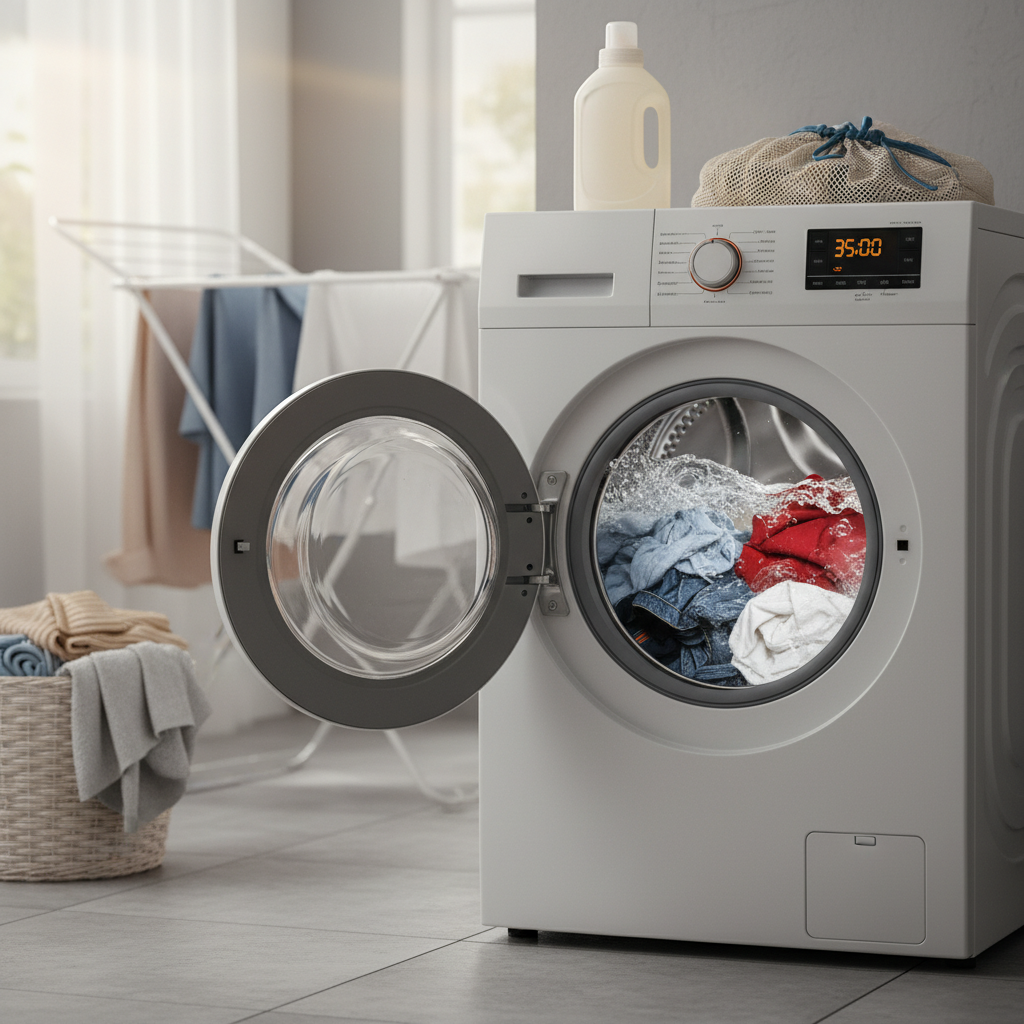
The Big Picture: More Than Just a Whirlpool
At its core, a washing machine is a cleverly designed system that uses a combination of mechanical action, water, and detergent to remove dirt, stains, and odors from your clothes. Think of it like this: your clothes are like a battlefield, and the washing machine is the cleaning army. The army has several weapons: water to soften the dirt, detergent to break it down, and the drum’s action to dislodge it. Finally, the army needs a way to get rid of the dirty water.
The Key Players: The Anatomy of a Washing Machine
Let’s meet the main players in this cleaning operation. These are the key parts that make the whole thing work:
- The Drum: This is the main tub where the clothes go. It’s usually made of stainless steel and has holes for water to drain.
- The Motor: The powerhouse, responsible for spinning the drum.
- The Pump: This pushes the water in and out of the machine.
- The Valves: They control the flow of hot and cold water.
- The Detergent Dispenser: Where you add the soap, usually with compartments for different types.
- The Control Panel: The brain of the operation, where you set the wash cycle and settings.
- The Agitator/Impeller: (In top-load machines) A central post that moves the clothes. (In front-load machines) A plate at the bottom of the drum that rotates to tumble clothes.
The Cleaning Cycle: Step-by-Step Breakdown
Now, let’s see how these parts come together in a typical wash cycle. The steps might vary slightly depending on your machine, but the general process is the same.
- Filling Up: You select your cycle, and the machine fills the drum with water. The valves open, letting in hot and/or cold water, based on your settings.
- Detergent Delivery: Water mixes with the detergent in the dispenser, creating a soapy solution.
- Agitation/Tumbling: The drum starts to move. In a top-load machine, the agitator moves back and forth, rubbing the clothes against each other. Front-load machines tumble the clothes, lifting and dropping them into the water. This action helps loosen the dirt.
- Washing: The soapy water and the mechanical action work together to lift the dirt and stains from your clothes.
- Draining: The pump removes the dirty water.
- Rinsing: The machine refills with clean water to rinse away the detergent.
- Spinning: The drum spins rapidly to remove excess water from your clothes. The faster the spin, the drier your clothes will be.
- Done! The machine turns off, and your clothes are ready to be dried.
The Dirt’s Demise: How Detergent Works
The detergent is the unsung hero of the washing process. It’s not just soap; it’s a carefully engineered mix of chemicals designed to tackle different types of dirt and stains. Here’s the basic idea:
- Surfactants: These are the main cleaning agents. They lower the surface tension of the water, allowing it to penetrate the fibers of your clothes and loosen dirt. They also help to emulsify oils and grease, breaking them down so they can be washed away.
- Builders: These help to soften the water, which makes the surfactants more effective. They also help to prevent the redeposition of dirt onto your clothes.
- Enzymes: These are biological catalysts that break down specific stains, like proteins (from blood or food) or starches.
- Bleach: (In some detergents) Helps to whiten clothes and remove stains.
- Fragrances: For that fresh, clean smell.
Choosing the right detergent is important. Using too much detergent can leave residue on your clothes and in your machine. Using too little, and your clothes won’t get clean. The type of detergent also matters. High-efficiency (HE) machines require special low-sudsing detergents to work efficiently.
Common Misconceptions: Busting Laundry Myths
There are a few things people often get wrong about washing machines. Let’s clear up some common misconceptions:
- “Hot water cleans better.” While hot water can be effective for some stains, it can also fade colors and damage certain fabrics. Cold water is often just as effective with modern detergents and is better for the environment.
- “More detergent equals cleaner clothes.” Nope! Excess detergent can leave a residue that attracts more dirt and can even damage your machine.
- “All machines are the same.” Top-load and front-load machines have different mechanisms and cleaning styles. Front-load machines are generally more energy and water-efficient.
- “The spin cycle dries your clothes.” The spin cycle removes water, making the clothes lighter for the dryer, but it doesn’t dry them completely.
Factors Affecting Performance: Why Does My Laundry Sometimes Fail?
Several factors can influence how well your washing machine cleans. Understanding these can help you get the best results:
- Water Temperature: As mentioned, use the right temperature for the fabric and stain type.
- Water Hardness: Hard water (water with high mineral content) can reduce the effectiveness of detergents. If you have hard water, you may need to use more detergent or consider a water softener.
- Load Size: Overloading your machine prevents clothes from moving freely, reducing cleaning effectiveness.
- Detergent Type and Amount: Using the right detergent and measuring carefully is crucial.
- Machine Cleanliness: A dirty machine can transfer dirt and odors to your clothes. Regular cleaning is essential.
- Fabric Type: Delicate fabrics require gentler cycles and detergents.
Modern Relevance: The Smart Washing Machine Era
The washing machine isn’t standing still! Technology continues to improve the way they work. Here are some of the modern trends:
- Smart Features: Many new machines connect to your Wi-Fi, allowing you to control and monitor them remotely through your smartphone. You can start cycles, get notifications when the laundry is done, and even diagnose problems. You could also set it up to start the wash when you are not at home, giving you a peace of mind.
- Improved Efficiency: Manufacturers are constantly working to improve energy and water efficiency, leading to lower utility bills and less environmental impact.
- Specialized Cycles: Machines now offer cycles for various fabrics and stain types, ensuring optimal cleaning results.
- Automatic Detergent Dispensing: Some machines have built-in reservoirs that automatically dispense the correct amount of detergent for each load.
- Advanced Sensors: Machines use sensors to detect the load’s size and fabric type, adjusting the cycle accordingly.
These innovations mean cleaner clothes, less waste, and more convenience for the modern user.
The Mental Model: Understanding the Magic
So, the next time you toss your clothes into the washing machine, you’ll know more than just how to turn it on. You now understand that:
- A washing machine uses a combination of mechanical action, water, and detergent to clean your clothes.
- The process involves filling, agitating (or tumbling), washing, draining, rinsing, and spinning.
- Detergents are complex mixtures designed to tackle different types of dirt and stains.
- Factors like water temperature, load size, and detergent type affect the cleaning results.
- Modern machines are packed with smart features and improved efficiency.
This understanding will help you troubleshoot problems, make informed decisions about your laundry routine, and appreciate the technology that keeps your clothes clean.
FAQs: Your Laundry Questions Answered
Here are some common questions about washing machines:
- Why does my washing machine smell musty? A musty smell usually means mold or mildew is growing inside the machine. Clean the machine regularly, including the detergent dispenser and rubber seal, and leave the door open after each wash to allow it to dry.
- What’s the difference between a top-load and a front-load washing machine? Top-load machines use an agitator to rub clothes together, while front-load machines tumble the clothes. Front-load machines generally use less water and energy, but they can be more expensive.
- Why does my washing machine leave detergent residue on my clothes? You may be using too much detergent, or your machine may not be rinsing properly. Try using less detergent and running an extra rinse cycle.
- How often should I clean my washing machine? Clean your machine monthly, or more often if you have hard water or wash a lot of heavily soiled items.
- What does “HE” mean on my washing machine? HE stands for “High Efficiency.” These machines use less water and require special low-sudsing detergents.
- Can I wash anything in the washing machine? Always check the care labels on your clothes. Some items, like delicate fabrics or items with special embellishments, should be hand-washed or dry-cleaned.
- Why is my washing machine shaking so much? An unbalanced load can cause a washing machine to shake excessively. Make sure the load is balanced and the machine is level. Check the legs of your machine to ensure they are on the ground.
- How long should a washing machine last? With proper care and maintenance, a washing machine can last 10-15 years.
The washing machine, a seemingly simple appliance, is a complex machine using a range of technologies to keep our clothes clean and fresh. Now, you’ve got a better understanding of how the washing machine works, you can use this knowledge to keep your machine in top shape, and the next time you fold a fresh load of laundry, you can appreciate the science behind the clean. This knowledge can also help you develop simple smartphone habits to protect your home and keep your washing machine running for longer The Simple Smartphone Habit That Protects Your Home (And Your Sanity).