
Let’s be real: When the microwave goes kaput, it’s a first-world problem that hits hard. You’re starving, you pop in your leftovers, hit the timer…and nothing. The plate spins, the light’s on, but your dinner is still colder than a snowman’s smile. Ugh! That frustrating moment when you realize your trusty microwave is refusing to do its one, simple job.
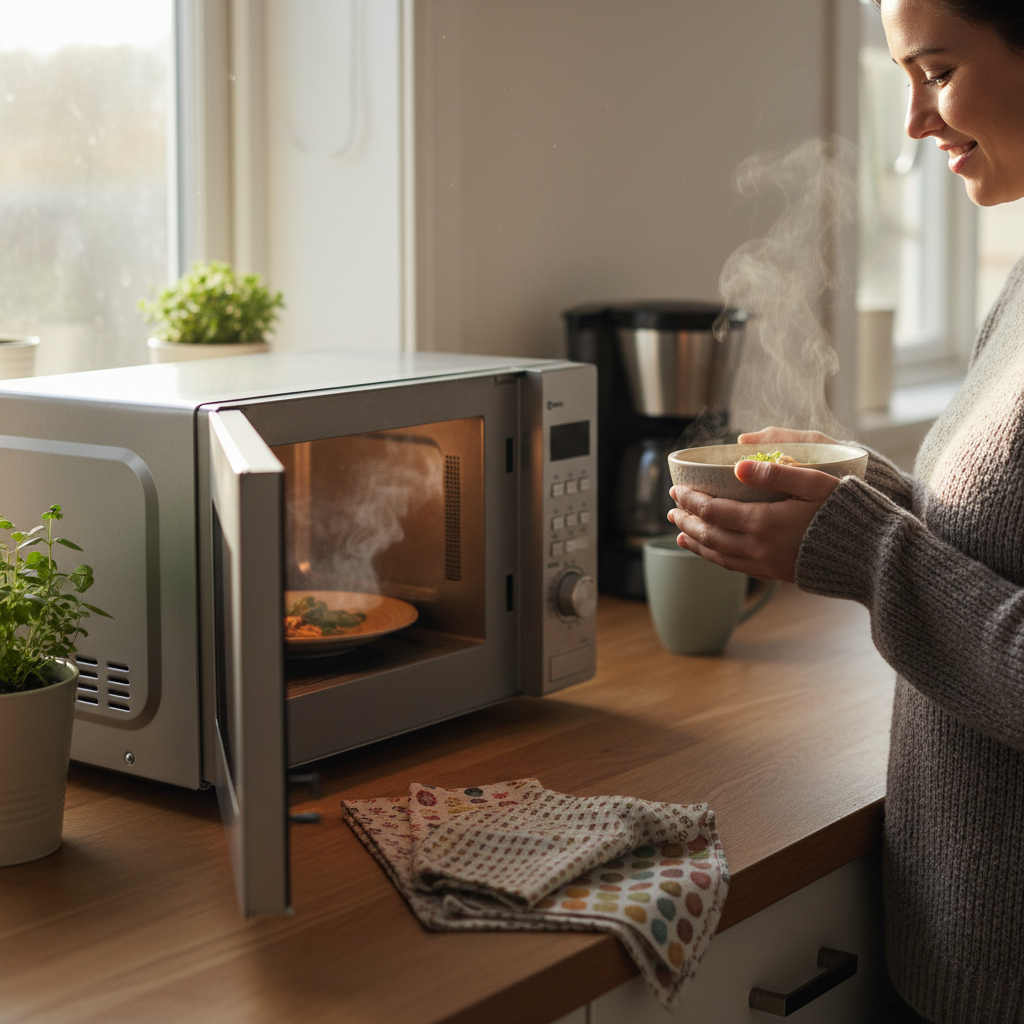
I’ve been there. More times than I care to admit. From a quick lunch to reheating last night’s biryani, the microwave is a kitchen MVP. So when it decides to take a break, it throws a wrench in your whole routine. But before you start pricing new appliances, take a breath. Most of the time, it’s a straightforward fix. Let’s get that food heating again.
Why Did My Microwave Stop Heating? The Usual Suspects
Before you start dismantling anything, let’s understand why your microwave might have decided to take a vacation from heating duties. The good news is, it’s usually one of a few common culprits:
* **Power Problems:** This is the most basic one, but don’t skip it! Make sure the microwave is plugged in securely and that the outlet is working. Sometimes, a tripped circuit breaker is the sneaky villain.
* **Door Issues:** The microwave won’t heat if the door isn’t closed properly. This could be a simple misalignment, a problem with the door switch, or a worn-out latch.
* **Low Power Level:** Many microwaves have different power settings. If it’s set too low, your food might not heat up as expected.
* **Internal Component Failure:** This is where things get a bit more technical. The magnetron (the part that generates microwaves), the high-voltage diode, or the capacitor could be the problem.
What NOT to Do (And What to Do Instead)
Okay, now let’s talk about the common mistakes people make when trying to fix a microwave. Avoid these, and you’re already ahead of the game:
* **Don’t start yanking things apart without unplugging the microwave!** Safety first, folks. Microwaves can store a dangerous electrical charge even when unplugged.
* **Don’t assume it’s the magnetron right away.** While it *could* be, it’s often something simpler.
* **Don’t put metal in the microwave!** This is a classic, but worth repeating. Metal objects cause sparking and can damage the microwave.
**Here’s what you *should* do:**
Step-by-Step Guide to Troubleshooting Your Cold Microwave
Alright, let’s get down to business. Here’s a practical, step-by-step approach to fixing your microwave:
**Step 1: The Obvious Checks**
* **Plug it in:** Seriously, make sure the plug is firmly in the outlet. Try another appliance in the same outlet to verify it’s working.
* **Check the breaker:** Go to your electrical panel and make sure the circuit hasn’t tripped.
* **Look for error codes:** Some microwaves display error codes. Consult your manual to see what they mean.
**Step 2: Door Detective Work**
* **Close it tight:** Make sure the door closes securely.
* **Inspect the latch:** Check for any visible damage to the door latch or the door switch.
**Step 3: Power Level Patrol**
* **Adjust the setting:** Make sure you’re using the correct power level for the food you’re heating. Try a higher setting.
**Step 4: The Reset Trick (If Applicable)**
* **Unplug and wait:** Some microwaves can be reset by unplugging them for a minute or two. Plug it back in and try again.
**Step 5: Test with Water**
* **Heat water:** Put a cup of water in the microwave and heat it for a minute or two. If it heats up, the microwave is working, and the problem might be with your settings or the food itself. If it *doesn’t* heat up, move on.
When to Call for Backup (aka, When to Call a Repair Person)
Okay, you’ve tried the basic steps, and the microwave is still cold. It’s time to consider calling in a pro. Here’s when you should wave the white flag:
* **If you suspect internal component failure:** Magnetron, diode, capacitor – these are not DIY-friendly.
* **If you’re not comfortable working with electricity:** Microwaves can be dangerous if you don’t know what you’re doing.
* **If you smell burning or see sparks:** Shut it down immediately and call for help.
* **If the repair cost is close to the price of a new microwave:** Sometimes, it’s just more practical to replace it.
Preventative Measures: Keeping Your Microwave Happy Long-Term
So, you’ve fixed your microwave. Great! Now, let’s talk about keeping it in tip-top shape so you don’t have to deal with this again anytime soon.
* **Keep it clean:** Wipe up spills and splatters immediately. Food particles can cause arcing and damage.
* **Don’t run it empty:** Never operate the microwave without food or liquid inside. This can damage the magnetron.
* **Use microwave-safe containers:** Avoid metal, foil, and anything with metal trim.
* **Handle the door gently:** Avoid slamming the door. This can damage the latch and switches.
* **Consider a surge protector:** Protect your microwave from power surges.
By taking these simple steps, you can extend the life of your microwave and avoid future heating headaches.
FAQ: Your Microwave Questions Answered
Here are some common questions people have when their microwave isn’t working:
**1. My microwave turns on, but it doesn’t heat. What’s wrong?**
This is the most common problem! The most likely culprits are a power issue, a door problem, a low power setting, or an internal component failure. Start with the basic troubleshooting steps outlined above.
**2. Why is my microwave sparking?**
Usually, it’s because of metal inside the microwave. Remove the metal immediately! If the sparking continues, it could be a damaged waveguide cover or another internal issue, and you should call a repair person.
**3. The turntable isn’t spinning. What should I do?**
Check if the plate is properly placed on the coupler and rollers. Clean any food debris that might be obstructing the movement. If that doesn’t work, the motor may be damaged.
**4. My microwave smells like something is burning. Should I be worried?**
Yes! Turn off the microwave and unplug it immediately. There’s likely an electrical problem.
**5. How do I reset my microwave?**
Some microwaves have a reset button, but most can be reset by unplugging them for a minute or two.
**6. Is it worth fixing my microwave?**
It depends. If the repair cost is more than 50% of the price of a new microwave, it might be better to replace it. However, a professional can give you a better idea of the cost.
**7. Can I fix my microwave myself?**
Some simple issues, like checking the power supply or adjusting the door, can be handled at home. However, any internal repairs should be left to a qualified technician.
**8. How long should a microwave last?**
With proper care, a microwave can last anywhere from 7 to 10 years.
So, there you have it. Hopefully, this guide has helped you troubleshoot your cold microwave and get back to enjoying warm meals! Remember, sometimes the fix is simple, and sometimes it’s best to call in the experts. Either way, you’re now equipped to handle this common kitchen frustration with confidence. And if you’re curious about how these appliances actually work, you might find this article on how a microwave oven warms your food interesting. For more helpful tips, visit our homepage.