
Remember that frustrating moment? The power went out in your living room, and you scrambled to find the breaker box, convinced you’d overloaded something. We’ve all been there. It’s a classic example of how we interact with electricity daily, often without a second thought, until things go wrong.
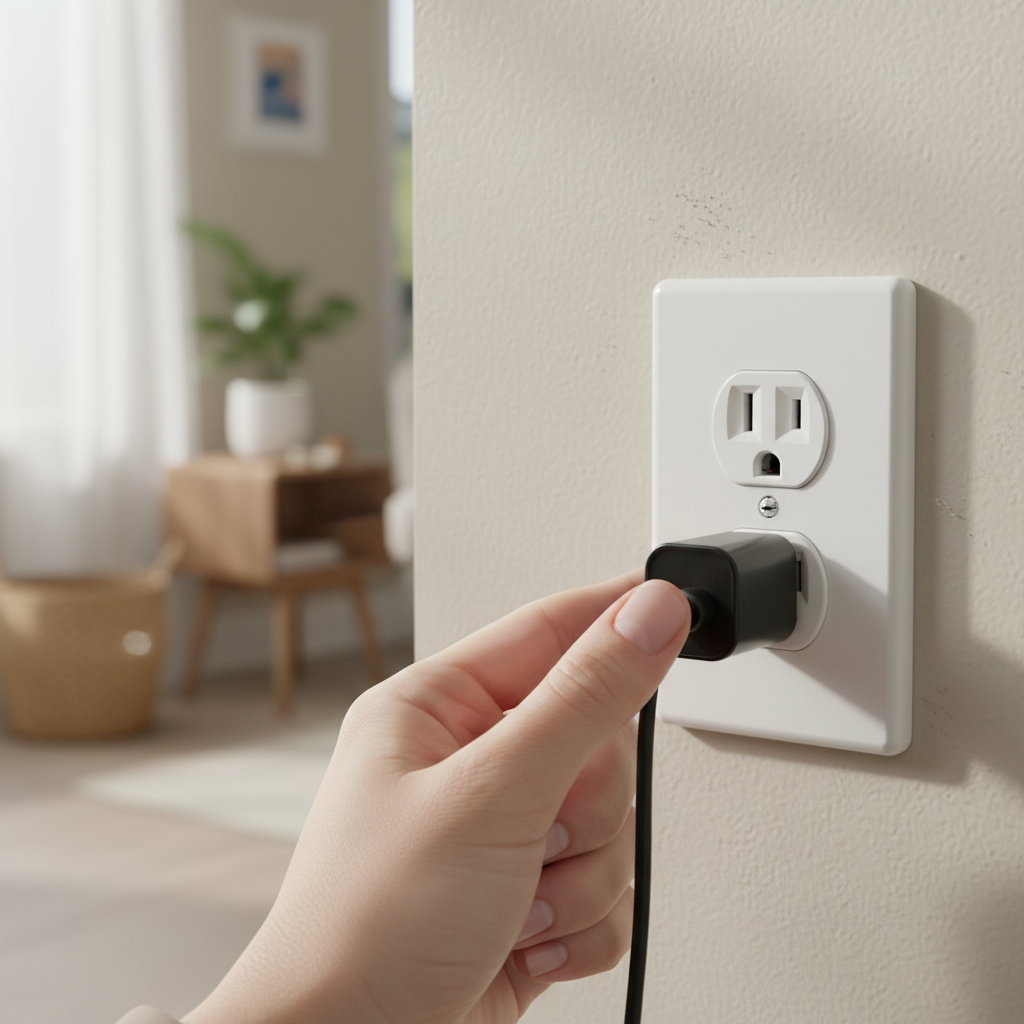
But have you ever truly wondered how those little rectangles on your wall, the electrical outlets, actually work? They seem so simple, yet they’re the gateway to powering almost everything in our homes. Today, let’s unravel the mystery of electrical outlets, demystifying how they deliver the juice you need, safely and reliably.
The Basic Principle: Electricity’s Journey
At a basic level, this works because electricity wants to move. Think of it like water flowing through pipes. The electrical outlet is simply a point where this flow, the current, can enter your appliances. The electrical company supplies the “water,” and your appliances “drink” it to function. This “water” is often referred to as Alternating Current (AC) electricity, which is the standard for most homes.
The core concept is this: electricity always seeks a complete path, a loop. It flows from the power source, through your device, and back to the source. The outlet provides a safe and regulated way for this electrical loop to connect with your appliances. Without the outlet, the appliances can’t complete the circuit, and there’s no power.
Breaking Down the Outlet: What’s Inside?
Let’s take apart the outlet (metaphorically, of course!). Inside, there are several key components:
- The Holes (or Slots): These are your connection points. One is for the “hot” wire (carrying electricity to your appliance), and the other is for the “neutral” wire (carrying the electricity back).
- The Ground Hole (the round one): This is a safety feature, designed to redirect any stray electricity to the ground, protecting you from shocks.
- The Terminals: These are metal screws or clamps that connect the wires from your home’s electrical system to the outlet itself.
- The Plastic Casing: This protects you from touching any live wires and keeps everything insulated.
The critical part is the internal connection. When you plug in a device, you create a pathway for electricity to flow. The prongs on your plug connect to the metal contacts inside the outlet. This completes the circuit and allows power to reach your appliance.
Step-by-Step: How Electricity Flows Through Your Outlet
Let’s follow the journey of electricity:
- The Source: Electricity starts at the power plant and is transmitted through power lines to your home.
- The Connection: The wires from the power lines connect to your home’s electrical panel, also known as the breaker box.
- The Wiring: Wires run from the breaker box, through your walls, and into the outlet boxes where your outlets are installed.
- The Outlet Contact: When you plug in an appliance, the prongs on the plug make contact with the metal contacts inside the outlet.
- The Circuit: Electricity flows from the “hot” wire, through your appliance, and back to the power source through the “neutral” wire. This creates a closed circuit.
- The Grounding: If there’s a fault (a short circuit, for example), the ground wire provides a safe path for the excess electricity, tripping the breaker and preventing shocks.
It’s a continuous, closed loop. The electricity flows, does its work in your appliance (running the motor, heating the coils, etc.), and then returns to where it came from.
Common Misconceptions and Why They Matter
There are a few myths about outlets that are worth clearing up.
- Myth: More Amps Means More Power. Not exactly. The outlet’s amperage (e.g., 15 or 20 amps) indicates how much current it can safely handle. Amps measure the rate of electrical flow. Volts measure the electrical pressure. Watts measure the actual power (volts x amps). A 15-amp outlet can safely handle appliances that draw up to 15 amps, and a 20-amp outlet can handle appliances up to 20 amps.
- Myth: All Outlets Are the Same. Nope! There are different types, like those with USB ports built-in, or those specifically designed for high-power appliances (like electric dryers or ovens). You should always use the correct outlet for the job to ensure safety.
- Myth: Plugging Too Many Things in Will Just Blow a Fuse. Actually, modern homes use circuit breakers instead of fuses. Circuit breakers are designed to trip (shut off power) when they detect an overload, preventing fires. Overloading a circuit breaker is still a problem, though, as it means the wires could be overheating, and that poses a fire hazard.
How Small Changes Affect Performance and Safety
Understanding these details can help you be a more informed and safer homeowner.
- Overloading Outlets: Plugging too many appliances into a single outlet (or a single circuit) can overload the circuit and trip the breaker. Avoid using too many extension cords, or “octopus” setups, where multiple devices are plugged into a single outlet via an adapter.
- Loose Connections: Loose outlets can cause arcing, which generates heat and can lead to a fire. If an outlet feels loose, or if you see any discoloration or burn marks, have it inspected and replaced by a qualified electrician.
- Water and Electricity: Water and electricity are a dangerous combination. Never use appliances near water sources (like in a bathroom) unless the outlet is a Ground Fault Circuit Interrupter (GFCI) outlet, which is designed to cut off power if it detects a ground fault.
- Grounding: Ensure all your outlets are properly grounded. This is a crucial safety feature that diverts electricity away from you in case of a fault. If you have an older home, it might be worth getting your wiring checked.
Modern Relevance: Outlets in the 21st Century
The humble electrical outlet has evolved with us. Here are some interesting developments:
- Smart Outlets: These can be controlled remotely via your smartphone, allowing you to turn devices on or off, monitor energy usage, and even schedule operation.
- USB Outlets: Many outlets now include USB ports, eliminating the need for bulky wall chargers for your phones and tablets.
- GFCI Outlets: Ground Fault Circuit Interrupters (GFCIs) are now standard in kitchens and bathrooms, offering enhanced protection against electrical shocks.
- Wireless Charging: While not directly an outlet feature, wireless charging pads are increasingly popular. You place your phone on the pad, and it charges without needing to plug it in. This reduces the number of cords you need, but the pad itself still needs to plug into an outlet.
These modern touches show the outlet isn’t just a simple connector. It’s part of a connected, safety-conscious world.
Understanding the Outlet: The Takeaway
So, the next time you plug in a lamp or charge your phone, you’ll have a clearer picture of what’s happening. The outlet is the essential gateway that transforms your home into a place of power, a place where you can comfortably live and work. By understanding its basic function, you can ensure your safety and get the most out of your home’s electrical system. This simple piece of technology plays a huge role in keeping our modern lives running smoothly.
This knowledge allows you to troubleshoot minor issues, identify potential hazards, and appreciate the often-overlooked technology that powers our everyday lives. It is, perhaps, the most important piece of unseen engineering we rely on every day.
Frequently Asked Questions
Let’s address some common questions about electrical outlets:
- Why do outlets have three holes? The third, round hole is for the ground wire, which is a safety feature that helps protect you from electric shock. It provides a safe path for electricity in case of a fault.
- What does “amps” mean on an outlet? Amps measure the rate of electrical flow. Outlets are rated for a specific amperage (e.g., 15 or 20 amps). This indicates the maximum current the outlet can safely handle.
- Why do outlets sometimes feel warm? A warm outlet might indicate a loose connection or an overloaded circuit. It’s best to have it checked by a qualified electrician to ensure safety.
- What’s the difference between a GFCI and a regular outlet? A GFCI (Ground Fault Circuit Interrupter) outlet is designed to quickly shut off power if it detects a ground fault, which is a dangerous electrical leak. Regular outlets don’t have this level of protection.
- Can I plug a 3-prong plug into a 2-prong outlet? Technically, yes, but it defeats the purpose of the grounding feature. It’s much safer to use a grounded outlet.
- How do I know if an outlet is overloaded? If a breaker trips frequently, or if you smell burning or see any discoloration around an outlet, it could be overloaded. You might be plugging in too many devices on a single circuit.
- Why do my lights flicker sometimes? Flickering lights can be caused by a variety of issues, including loose wiring, overloaded circuits, or problems with the power supply from the electrical company. If it’s persistent, have an electrician take a look.
- What is the purpose of the little reset button on some outlets? Those are usually on GFCI outlets. The reset button will reactivate the outlet after it trips due to a ground fault.
Hopefully, this explanation has shed some light on this essential piece of modern technology. You’re now equipped to answer that age-old question, “How do electrical outlets *really* work?”
For more insights into how everyday systems work, explore our website.