
Ugh, there’s nothing worse than that first blast of warm air when you switch on the AC on a scorching day. You’re expecting a refreshing breeze, and instead, you get… well, disappointment. Trust me, I’ve been there countless times. It’s the kind of thing that makes you want to throw your hands up and move to the Arctic. But before you start packing your bags, let’s troubleshoot this together. I’ve dealt with this problem more times than I care to admit, and I’ve learned a few things along the way.
The Initial Panic (And Why It’s Okay)
So, your AC is blowing warm air. Your first reaction? Probably a groan, maybe a curse word or two (I won’t judge!). Then, a wave of panic washes over you. “Is it broken? Is it going to be expensive to fix? Will I have to suffer in this heat?!” Deep breaths. It’s okay to feel frustrated. It’s completely normal. The good news is, in many cases, the problem isn’t as dire as it seems. Often, it’s something simple that you can fix yourself, saving you a hefty repair bill and a lot of unnecessary stress.
Why Is My AC Blowing Warm Air? The Usual Suspects
Let’s get down to the nitty-gritty. Why does your AC suddenly decide to betray you and start blowing hot air? Here are the most common culprits:
- Dirty Air Filter: This is, hands down, the most frequent offender. Think of your air filter as your AC’s lungs. If it’s clogged with dust, pet hair, and all sorts of gunk, it restricts airflow. This forces the AC to work harder, and it can eventually lead to it blowing warm air. It’s like trying to breathe through a plugged-up nose – not pleasant, and not efficient.
- Frozen Evaporator Coil: The evaporator coil is a crucial part of your AC’s cooling process. It sits inside your indoor unit. If it freezes over, your AC won’t be able to cool the air properly. This freezing can be caused by a few things, like a dirty air filter, restricted airflow, or low refrigerant (more on that later).
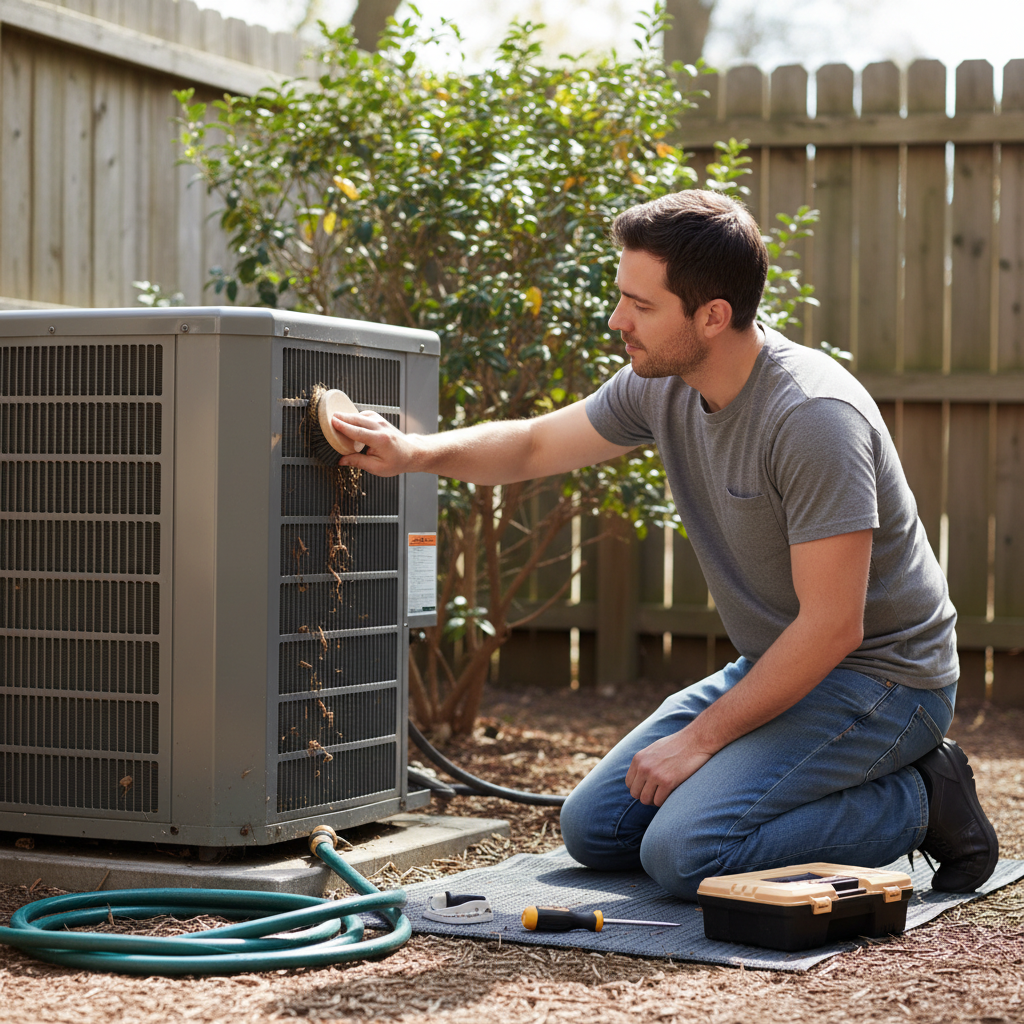
- Blocked Condenser Unit: The condenser unit is the outdoor part of your AC. It’s where the heat from your home is released. If it’s blocked by leaves, bushes, or other debris, it can’t do its job effectively. The result? Warm air blowing from your vents.
- Refrigerant Leaks: Your AC uses refrigerant (also known as Freon) to cool the air. If there’s a leak, the refrigerant level drops, and your AC won’t be able to cool properly. This is a more serious issue that usually requires professional help.
- Electrical Problems: Sometimes, the problem is electrical. A faulty capacitor, a blown fuse, or other electrical issues can prevent your AC from working correctly.
Common Mistakes People Make (And How to Avoid Them)
Okay, so now you know the usual suspects. But what do people usually do wrong when they try to fix this problem? Here are a few common mistakes I’ve seen (and made myself!):
- Ignoring the Obvious: The air filter. Seriously, people often overlook this simple fix. It’s the first thing you should check. I’ve wasted hours troubleshooting other potential problems only to discover the air filter was the culprit all along.
- DIY Refrigerant Refills: Unless you’re a certified HVAC technician, don’t even think about messing with your AC’s refrigerant. It’s illegal in many places to handle refrigerant without proper certification, and you could cause serious damage to your AC (and yourself).
- Assuming the Worst: Don’t jump to conclusions and immediately assume you need a whole new AC unit. Start with the simple fixes, and work your way up. You might be surprised how often a quick fix solves the problem.
- Ignoring Regular Maintenance: If you’ve never had your AC serviced, you’re more likely to run into problems. Regular maintenance can catch issues before they turn into major headaches (and expenses).
Step-by-Step Practical Fixes (That You Can Actually Do)
Alright, let’s get down to business. Here’s what you can do to troubleshoot your AC and hopefully get that cool air flowing again:
- Check the Air Filter: This is always, *always* step one. Locate your air filter (usually in the return air vent or inside the indoor unit), remove it, and inspect it. If it’s dirty, replace it with a new one. This simple step can solve the problem 90% of the time. If you do not know how to replace it, consult your AC manual.
- Clean the Condenser Unit: Go outside and take a look at your condenser unit (the outdoor unit). Make sure there’s at least a foot of space around it. Remove any leaves, branches, or other debris that might be blocking the airflow. Use a garden hose to gently spray the fins of the condenser unit to remove any dirt or grime. Be careful not to bend the fins.
- Check the Thermostat Settings: Make sure your thermostat is set to “cool” and that the temperature is set low enough to trigger the AC to turn on. It sounds obvious, but you’d be surprised how often this gets overlooked!
- Inspect the Evaporator Coil (If Possible): If you’re comfortable opening up your indoor unit (and you know how to safely handle electrical components), you can take a peek at the evaporator coil. If it’s frozen over, there are a few possible causes: a dirty air filter, restricted airflow, or low refrigerant. Try replacing the air filter and making sure all vents are open. If the coil is still frozen, or you suspect a refrigerant leak, it’s time to call a professional.
- Run a Test: After you’ve tried these fixes, turn your AC back on and let it run for a while. See if the air starts to cool down. If it does, you’re golden! If not, it’s time to move on to the next step.
When to Call for Professional Help
Sometimes, the problem is beyond your DIY capabilities. Here’s when you should call a qualified HVAC technician:
- Refrigerant Leaks: As mentioned earlier, if you suspect a refrigerant leak, call a pro. They have the tools and expertise to diagnose and repair the leak safely and legally.
- Electrical Problems: If you suspect an electrical issue (blown capacitor, etc.), it’s best to leave it to the professionals. Electricity can be dangerous if you don’t know what you’re doing.
- Persistent Problems: If you’ve tried the DIY fixes and your AC is still blowing warm air, it’s time to call for help. A technician can diagnose the problem and recommend the best course of action.
- Strange Noises: If your AC is making unusual noises (grinding, squealing, etc.), it’s a sign that something is wrong. Call a technician to investigate.
Long-Term Prevention: Keeping Your AC Happy
Once you get your AC back up and running, you’ll want to take steps to prevent this problem from happening again. Here are some long-term prevention tips:
- Change Your Air Filter Regularly: This is the most important thing you can do. Replace your air filter every 1-3 months, depending on the type of filter and how often you use your AC.
- Schedule Annual Maintenance: Hire a qualified HVAC technician to inspect and service your AC once a year. They can catch potential problems early and keep your AC running efficiently.
- Keep the Area Around Your Condenser Unit Clear: Trim bushes and trees around your condenser unit to ensure proper airflow.
- Consider a Programmable Thermostat: A programmable thermostat can help you save energy and reduce wear and tear on your AC. You can set it to automatically adjust the temperature based on your schedule.
- Watch for Warning Signs: Pay attention to any changes in your AC’s performance, such as reduced cooling, strange noises, or higher energy bills. Address any issues promptly.
Final Thoughts
Dealing with a warm-air-blowing AC is frustrating, no doubt. But with a little bit of troubleshooting and some common sense, you can often get things back on track without breaking the bank. Remember to start with the simple fixes, and don’t be afraid to call a professional if you need help. Your comfort and your wallet will thank you!
FAQ: Your Burning AC Questions Answered
Here are some frequently asked questions about AC problems, answered in a way that’s easy to understand:
- Why is my AC making a hissing sound? A hissing sound could indicate a refrigerant leak. Call a qualified HVAC technician to inspect your system.
- My AC is blowing cold air, but it’s not cooling the room. What’s wrong? You might have a problem with your ductwork. Check for leaks or blockages, or consider having your ducts professionally cleaned.
- How often should I have my AC serviced? Ideally, have your AC serviced once a year by a qualified HVAC technician.
- Can I use my AC as a dehumidifier? Yes, your AC can remove some humidity from the air, but it’s not as effective as a dedicated dehumidifier.
- How long should my AC last? With proper maintenance, your AC should last 15-20 years.
- My AC is freezing up. What should I do? First, replace your air filter. Then, check for any airflow restrictions. If the problem persists, you may have a refrigerant leak, in which case you will need to call a technician.
- Is it okay to run my AC all day and night? Yes, you can run your AC continuously, but it can be more energy-efficient to use a programmable thermostat to adjust the temperature based on your schedule.
- How can I make my AC more energy efficient? Make sure your air filters are clean, get annual maintenance, seal any leaks in your ductwork, and consider a programmable thermostat.
I hope this guide has helped you troubleshoot your AC problems. Remember, take it one step at a time, and don’t be afraid to ask for help if you need it. Stay cool!