
Ugh, the fridge. That humming box of chilled goodness, the silent guardian of your leftovers, the place where milk goes to stay fresh… until it doesn’t. There’s nothing quite like the sinking feeling of opening your fridge and realizing everything inside is, well, not cold. Suddenly, your carefully planned meals are at risk, your groceries are in danger, and your peace of mind? Poof, gone.
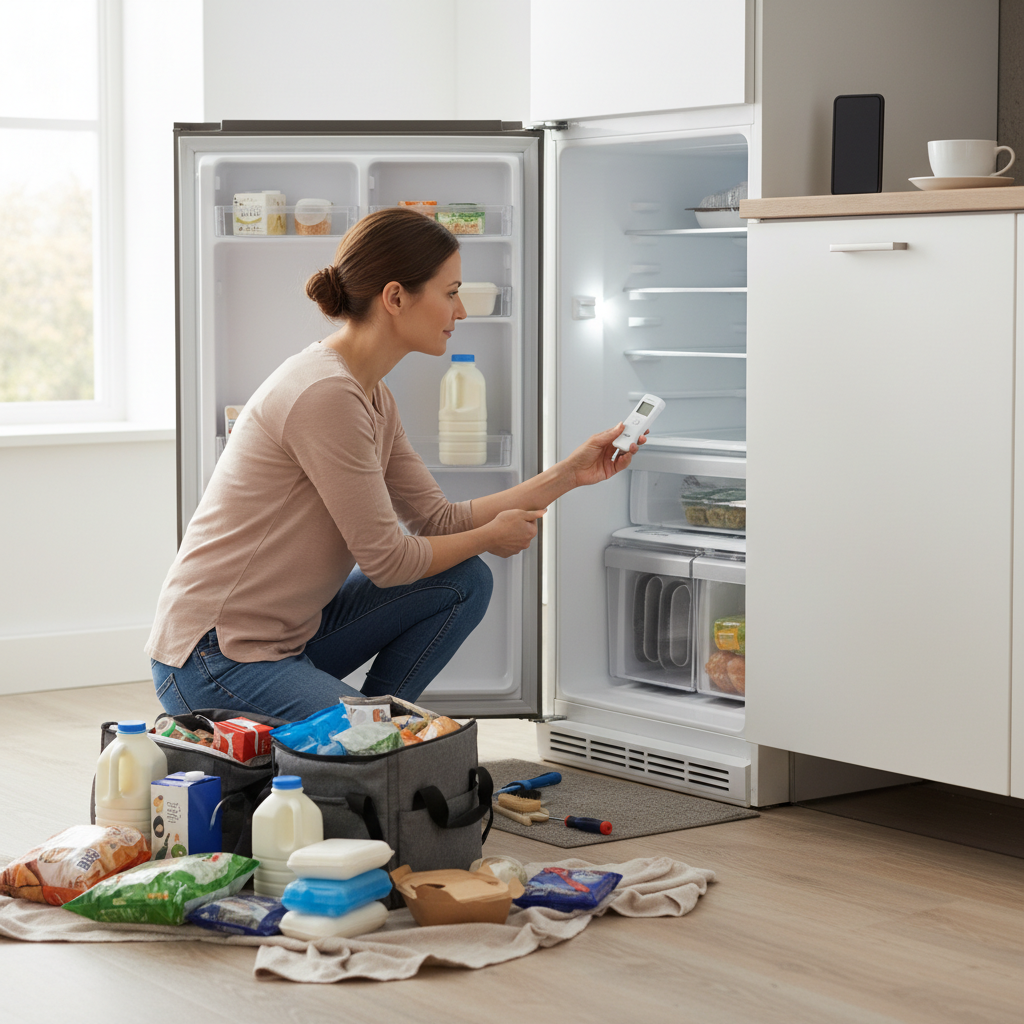
I know the feeling. It hits you right in the gut. You’re picturing all that food slowly spoiling, and the thought of throwing away perfectly good groceries (and the money you spent on them!) is enough to make anyone sweat. And let’s be honest, in today’s world, where every penny counts, the idea of having to replace a fridge full of food is enough to make anyone panic. But take a deep breath. Before you start imagining a complete kitchen overhaul, let’s talk about what might be going on and, more importantly, what you can do about it.
Why Did My Fridge Suddenly Decide to Become a Sauna?
The reasons a fridge goes warm are usually pretty straightforward, but figuring out *which* reason is the culprit can be a bit of a detective mission. It’s like being a home detective – you gotta put on your thinking cap and investigate!
Common Culprits Behind a Warm Fridge:
- The Door Seal of Doom: This is a classic. Your fridge door seal (that rubbery strip around the door) creates an airtight seal. If it’s cracked, torn, or just plain old worn out, warm air seeps in, and the cold air seeps out. It’s like leaving a window open on a hot summer day – no good!
- The Overstuffing Overload: Seriously, don’t pack your fridge like you’re playing a game of Tetris. When the fridge is jammed with food, there’s no room for the cold air to circulate properly. Think of it like a traffic jam inside your fridge – the cold air can’t get to where it needs to go.
- The Condenser Coil Conspiracy: These coils, usually located on the back or bottom of the fridge, release heat. If they’re covered in dust and grime, they can’t do their job efficiently. It’s like trying to run a marathon with a heavy backpack – exhausting!
- The Thermostat Tantrum: The thermostat is the brain of your fridge, telling it when to cool. If it’s malfunctioning, it might not be sending the right signals, and your fridge could be chilling out (or, rather, not chilling out) when it should be working hard.
- The Power Problem: Sometimes, the issue isn’t the fridge itself but the power supply. A tripped circuit breaker, a loose power cord, or a power outage can all shut down your fridge’s cooling system.
- The Fan Fiasco: Refrigerators have fans that circulate the cold air. If a fan stops working, the cold air doesn’t reach all parts of the fridge.
What NOT to Do (and What to Do Instead)
Okay, so your fridge is warm. Now what? Before you start throwing money at the problem or calling for emergency appliance assistance, let’s talk about what *not* to do. Trust me; I’ve made the mistakes so you don’t have to!
Mistakes to Avoid:
- Panicking and Throwing Everything Away Immediately: Resist the urge! Before you toss out a fridge full of food, assess the situation. Is the food still cool? Is it just a little warmer than usual?
- Ignoring the Obvious: Check the basics first: Is the fridge plugged in? Is the circuit breaker tripped? Sounds silly, but you’d be surprised how often it’s something simple.
- Calling a Repair Person Immediately: A repair person can be a lifesaver, but before you pay for a visit, try a few simple fixes yourself. You might just save yourself some money and time.
- Assuming the Worst: Don’t jump to conclusions. A warm fridge doesn’t automatically mean your fridge is dead. It could be a simple fix.
What to Do (The Real Fixes):
Alright, let’s get down to brass tacks. Here’s a step-by-step guide to tackling a warm fridge situation:
- Check the Power: This seems obvious, but it’s the first thing to do. Make sure the fridge is plugged in securely. Check your circuit breaker box to see if a breaker has tripped. If it has, reset it.
- Door Seal Inspection: Grab a flashlight and carefully examine the door seal. Look for cracks, tears, or gaps. You can test the seal by closing the door on a piece of paper. If you can easily pull the paper out, the seal isn’t doing its job. A worn-out seal is usually an easy and inexpensive fix (you can often buy replacement seals online or at a hardware store).
- Inventory and Organization: Take everything out of the fridge. Yes, everything. This is a good time to toss anything that’s gone bad (and to wipe down the shelves while you’re at it!). Then, reorganize your food, ensuring there’s space for air to circulate. Don’t block the vents.
- Condenser Coil Cleaning: Locate the condenser coils (usually on the back or bottom of the fridge). Unplug the fridge for safety. Use a vacuum cleaner with a brush attachment to gently remove dust and debris. This can make a surprising difference!
- Thermostat Adjustment (and Monitoring): Make sure the thermostat is set to the correct temperature. Then, monitor the fridge’s temperature over the next few hours. Use a fridge thermometer to get an accurate reading.
- Fan Check (If You Can): Some fridges have fans that you can access (usually in the freezer compartment). If you can safely access it, check if the fan is running. If it’s not, it might need to be replaced. (This is where a repair person might be needed).
- Power Outage Proofing: Consider having a surge protector for the fridge. If there are frequent power outages in your area, consider getting a small generator to keep your fridge running during these times.
When to Call in the Pros
You’ve tried the DIY fixes, but the fridge is still warm. Now what? There’s no shame in admitting defeat and calling a professional. Here are some situations where it’s time to call in the appliance cavalry:
- The Compressor is Silent: The compressor is the heart of your fridge. If you don’t hear it running (a soft humming sound), there could be a serious problem.
- The Thermostat is Broken: If you suspect a thermostat malfunction and can’t fix it yourself, it’s time to call a technician.
- You’re Not Comfortable with DIY Repairs: Appliance repair can involve electrical work, which can be dangerous if you’re not experienced. Safety first!
- The Problem Persists: If you’ve tried all the troubleshooting steps, and the fridge is still warm, it’s time to admit you need help.
Long-Term Prevention Tips to Keep Your Cool
Okay, you’ve fixed the problem (or you’ve called the repair person). But how do you prevent this from happening again? Here are some simple habits that can help keep your fridge running smoothly for years to come:
- Regular Cleaning: Clean the condenser coils at least twice a year.
- Door Seal Checks: Inspect the door seal regularly and replace it as needed.
- Proper Loading: Don’t overload the fridge. Make sure air can circulate freely.
- Temperature Monitoring: Use a fridge thermometer to monitor the temperature. The ideal temperature for your fridge is around 37-40°F (3-4°C).
- Power Protection: Use a surge protector to protect your fridge from power surges.
- Preventative Maintenance: If your fridge has a water filter, replace it regularly.
Dealing with a warm fridge can be a stressful experience, but by taking a few simple steps, you can often diagnose and fix the problem yourself. Don’t panic, stay calm, and work through the process step by step. And remember, even if you need to call a professional, you’ve already taken the first step toward getting your kitchen back to its cool, collected self. And for some more practical tips, check out this article on how to get your internet up to speed. Sometimes, a little tech troubleshooting is all you need!
FAQ: Your Burning Fridge Questions Answered
Let’s tackle some of the most common questions people have when their fridge decides to take a vacation from cooling:
- My fridge is cold in some areas but warm in others. What’s going on?
This is often a circulation issue. Make sure your fridge isn’t overstuffed, and the vents aren’t blocked. Also, check the door seals to make sure they’re airtight.
- How long can food stay good in a warm fridge?
This depends on the temperature and the type of food. In general, if your fridge has been warm for more than a few hours, discard perishable items like meat, dairy, and cooked leftovers.
- My fridge is making a strange noise. Is it about to die?
Strange noises can be a sign of a problem, but not always a death sentence. Try to identify the source of the noise. If it’s a clicking or grinding sound, it could be a fan or compressor issue. If it’s a gurgling sound, that’s usually normal.
- How often should I clean the condenser coils?
Ideally, clean the condenser coils every six months to a year, depending on your kitchen environment (if you have pets, you might need to clean them more often).
- Can I fix my fridge myself, or do I always need a professional?
You can often fix simple problems like a faulty door seal or a clogged condenser coil. However, if you’re not comfortable with electrical work or the problem seems complex, it’s best to call a professional.
- Is it worth repairing an old fridge?
This depends on the age and the cost of the repair. If your fridge is very old, and the repair cost is significant, it might be more cost-effective to replace it with a new, energy-efficient model. But sometimes a quick fix can extend the life of your appliance for a couple more years!
- What’s the best temperature setting for my fridge?
The ideal fridge temperature is between 37°F and 40°F (3°C and 4°C). Use a fridge thermometer to check and adjust accordingly.