
Ugh, there’s nothing worse than that sinking feeling when you open the fridge and realize your milk’s gone warm, the veggies are wilting, and that leftover biryani is starting to smell… well, let’s just say it’s not a good sign. It happened to me last summer. It was a scorcher, the AC was struggling, and then, BAM – the fridge decided to join the heatwave. I spent the next few hours frantically trying to save what I could, while also trying to figure out what went wrong. Sound familiar?
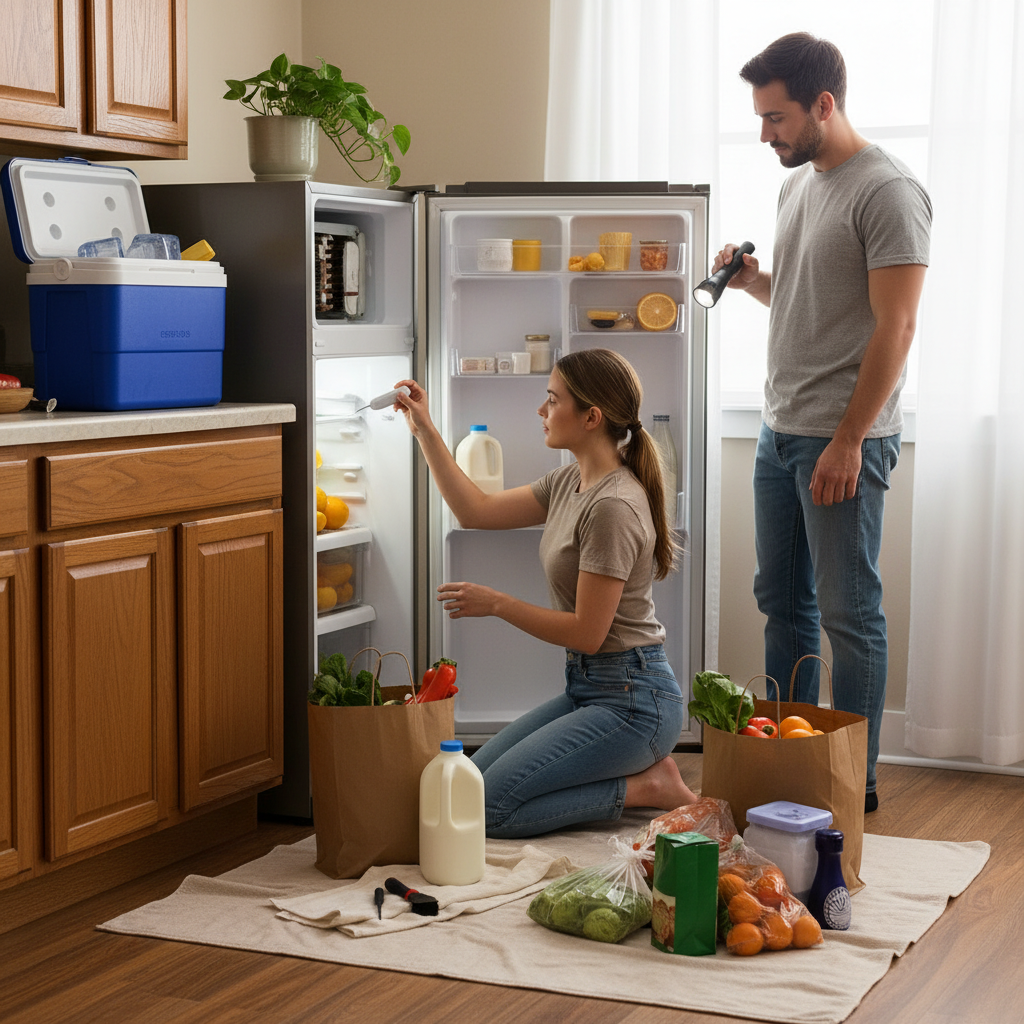
Why Did My Fridge Suddenly Stop Working? The Usual Suspects
Before you start panicking and calling for an expensive repair, let’s take a deep breath and run through the usual suspects. Trust me, in most cases, it’s something fixable, and you don’t need to be a fridge technician to sort it out. I’ve been there, done that, and I’m happy to share what I’ve learned.
1. Is It Even Getting Power? The Obvious (But Often Overlooked) Check
Okay, this sounds silly, but it’s the first thing you should check. Is the fridge plugged in? I know, I know, it sounds ridiculously basic. But sometimes the simplest things are the easiest to miss. Check these things:
- **The Plug:** Make sure the plug is firmly in the socket. Sometimes they wiggle loose.
- **The Outlet:** Try plugging something else into the same outlet to make sure the outlet is working. A lamp or your phone charger will do the trick. If the outlet is dead, you’ll need to check your circuit breaker (more on that in a sec).
- **The Circuit Breaker:** Go to your electrical panel (that box of switches). Look for the breaker that controls the kitchen or the outlets where your fridge is plugged in. It might have tripped. If it has, it will be in the “off” or “halfway” position. Flip it fully off, then back on. (If it trips again immediately, there’s a more serious problem, and you might need an electrician).
Seriously, I’ve wasted hours before because of a simple unplugged cord or a tripped breaker! Don’t feel bad if this is the issue; it happens to the best of us.
2. The Thermostat Tango: Is It Set Right?
This is another common culprit. The thermostat controls how cold your fridge gets. Sometimes, it gets bumped, and the temperature setting changes.
Here’s what to do:
- **Check the Temperature:** Look at the temperature dial or digital display inside the fridge. Most fridges should be set between 37°F and 40°F (3°C and 4°C). The freezer should be around 0°F (-18°C).
- **Adjust It:** If the temperature is set too high (too warm), turn it down. Give it a few hours to cool down. Don’t go too low too fast; sudden temperature changes aren’t great for the fridge or your food.
- **Placement Matters:** Make sure nothing is blocking the vents inside the fridge. These vents circulate the cold air. Overcrowding your shelves can restrict airflow, leading to uneven cooling.
3. Dirty Coils: The Silent Fridge Killer
This is a big one. Your fridge has coils (usually on the back or underneath) that release heat. If these coils are covered in dust and grime, they can’t do their job properly, and your fridge won’t cool efficiently. Think of it like trying to breathe with a mask on – you can’t get enough air!
Here’s how to clean the coils:
- **Unplug the Fridge:** Safety first! Before you do anything, unplug your fridge from the power outlet.
- **Locate the Coils:** Check the back of the fridge or underneath the front (behind a kick plate). You might need to pull the fridge out a bit to reach the back coils.
- **Get the Right Tools:** You’ll need a long-handled brush (like a coil brush, which you can find at any hardware store) or a vacuum cleaner with a brush attachment.
- **Clean the Coils:** Gently brush or vacuum away the dust and debris. Be careful not to bend or damage the coils.
- **Plug It Back In:** Once the coils are clean, plug the fridge back in.
I know, cleaning the coils seems like a chore. But trust me, it’s worth it. I try to do this every six months, and it makes a huge difference in my fridge’s performance and energy efficiency. You can even save money on your electricity bill! Have you ever wondered about those “unseen home energy vampires” that drive up your electricity bill?
4. Door Seals: Is the Cold Air Escaping?
Your fridge’s door seals (the rubber gaskets around the doors) are crucial for keeping cold air in and warm air out. If the seals are damaged, cracked, or not sealing properly, your fridge will struggle to maintain the right temperature.
Here’s how to check them:
- **Visual Inspection:** Look for any tears, cracks, or gaps in the seals.
- **The Dollar Bill Test:** Close the door on a dollar bill. If you can easily pull the bill out, the seal isn’t tight enough. Repeat this test in several places around the door.
- **Cleaning the Seals:** Wipe the seals with warm, soapy water to remove any dirt or debris that might be preventing a good seal.
- **Replacing the Seals:** If the seals are damaged, you’ll likely need to replace them. You can usually find replacement seals online or at appliance parts stores. It’s often a DIY job, but if you’re not comfortable with it, call a repair person.
5. Overloading: Is Your Fridge Too Full?
Stuffing your fridge to the brim can restrict airflow and make it harder for the fridge to cool properly. Think of it like a crowded subway car – the air can’t circulate easily.
Here’s what to do:
- **Take Inventory:** Get rid of any expired or spoiled food.
- **Organize Smartly:** Arrange items to allow for good airflow. Don’t block the vents.
- **Don’t Overfill:** Leave some space between items for air to circulate.
I’m guilty of this one! I’m always tempted to cram everything in, but I’ve learned that a slightly emptier fridge actually works better. Plus, you can see what you have, which reduces food waste.
When to Call for Help: Knowing Your Limits
Okay, so you’ve checked all the basics, and your fridge *still* isn’t cooling. At this point, it might be time to call in the professionals. Here are some signs that you need help:
- **The Compressor is Running Constantly:** The compressor is the heart of your fridge’s cooling system. If it’s running all the time but the fridge isn’t getting cold, there’s likely a problem.
- **Unusual Noises:** Loud humming, clicking, or rattling noises can indicate a failing compressor or other internal issues.
- **Water Leaks:** Water leaking inside or outside the fridge can point to a defrosting problem or a blocked drain.
- **You’ve Tried Everything:** If you’ve gone through all the troubleshooting steps above and the fridge is still warm, it’s time to call a repair person.
Don’t be afraid to admit you need help! A fridge repair can be expensive, but it’s often cheaper than buying a whole new appliance. Get quotes from a few different repair services to compare prices and read reviews.
Common Mistakes to Avoid
Over the years, I’ve learned a few things about what *not* to do when your fridge is on the fritz. Here’s what *not* to do:
- **Don’t Overreact and Throw Everything Out Immediately:** Wait a bit and assess the situation before tossing out all your groceries. You might be able to save some of it.
- **Don’t Assume You Need a New Fridge:** Most fridge problems are fixable. Don’t jump to the most expensive solution first.
- **Don’t Ignore Warning Signs:** If you notice your fridge isn’t cooling as well as it used to, don’t put off dealing with it. The problem will likely get worse.
- **Don’t Rely on “Quick Fixes” You Find Online:** There’s a lot of misinformation out there. Stick to reputable sources and verified troubleshooting steps.
Long-Term Prevention: Keeping Your Fridge Happy
Once you’ve got your fridge back up and running, here are some things you can do to prevent future problems:
- **Regular Cleaning:** Clean the coils every six months.
- **Proper Ventilation:** Ensure your fridge has adequate ventilation (leave space around the back and sides).
- **Temperature Monitoring:** Use a fridge thermometer to check the temperature regularly.
- **Door Seal Checkups:** Inspect the door seals regularly for damage.
- **Avoid Overloading:** Don’t cram the fridge full.
By taking these steps, you can extend the life of your fridge and avoid those stressful, “my fridge isn’t cooling” moments in the future.
FAQ: Your Fridge Troubleshooting Questions Answered
Here are some frequently asked questions and answers to help you troubleshoot your fridge problems:
Q: My fridge is running, but not cold. What could be the problem?
A: The most common causes are a faulty thermostat, dirty condenser coils, blocked vents, or a problem with the compressor. Start by checking these things.
Q: How long does it take for a fridge to cool down after being plugged in?
A: It can take several hours (usually 4-8) for a fridge to reach its set temperature. Be patient and don’t overfill it immediately.
Q: How can I tell if my fridge compressor is bad?
A: If the compressor is running constantly but the fridge isn’t cooling, or if it’s making unusual noises, it could be a sign of a problem. If the compressor isn’t running at all, that’s another bad sign. Also, look for water leaks around the compressor.
Q: Can I fix my fridge myself?
A: You can often fix simple problems like a tripped breaker, a loose plug, or a dirty coil. However, more complex issues, like a faulty compressor or refrigerant leaks, usually require a professional.
Q: How often should I clean my refrigerator coils?
A: Aim to clean your refrigerator coils every six months. This will help your refrigerator run more efficiently.
Q: What temperature should my refrigerator be set to?
A: Most refrigerators should be set to between 37°F and 40°F (3°C and 4°C). The freezer should be around 0°F (-18°C).
Q: My fridge is making a strange noise. What should I do?
A: Unusual noises (buzzing, clicking, rattling) can indicate a problem. Note what the noise is and when it happens. If it’s persistent or loud, call a repair person.
Q: Should I unplug my refrigerator if I am going on vacation?
A: You can unplug your refrigerator if you’re going to be gone for an extended period, but make sure to clean it out thoroughly and leave the doors propped open to prevent mold and mildew growth. For shorter trips, it’s often easier to just leave it running.
Hopefully, this guide helps you get your fridge back in working order and save your food (and your sanity!). Remember to stay calm, check the basics, and don’t be afraid to ask for help if you need it. Good luck!
If you found this helpful, check out our other guides for more everyday problem-solving tips at our homepage.