
Ugh, there’s nothing worse than the sinking feeling you get when you open your fridge and realize it’s not doing its job. That warm air, the slightly softened ice cream, and the nagging worry about your groceries going bad – it’s a real kitchen nightmare. I’ve been there, more times than I care to admit, and trust me, it’s a problem that can turn a good day sour.
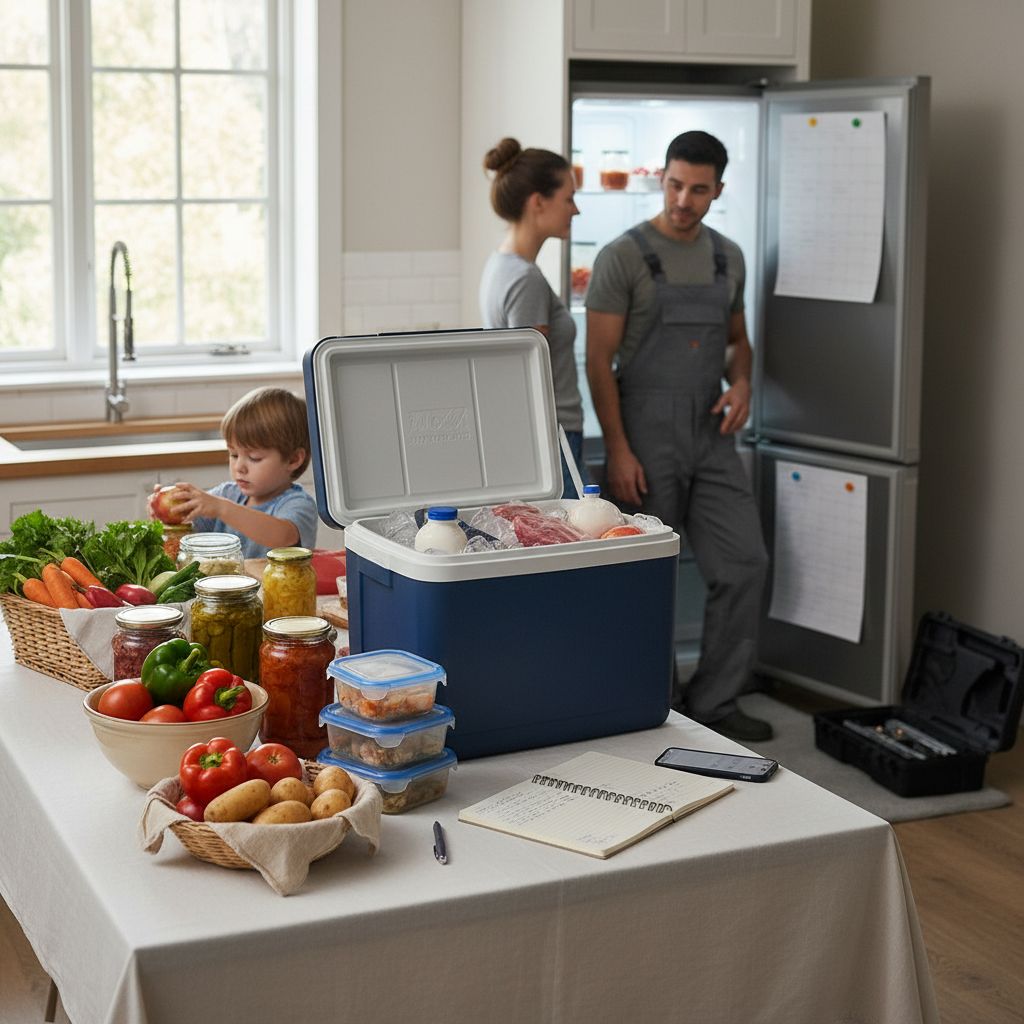
This isn’t some fancy, technical article filled with jargon. This is a real-life guide, written by someone who has wrestled with a fridge that decided to take a vacation from cooling. We’ll cut through the confusion, figure out what’s *actually* going on, and get that fridge back to keeping your food fresh and your mind at ease.
Why Does My Fridge Suddenly Stop Cooling? The Usual Suspects
Okay, so your fridge isn’t cold. Before you start picturing expensive repairs, let’s go through the most common culprits. In my experience, it’s rarely a total disaster. More often than not, it’s something fixable right at home.
Here’s what you should be looking at:
- The Plug and the Power: Sounds obvious, right? But hey, we’ve all done it. Make sure your fridge is actually plugged into a working outlet. Check the circuit breaker too. Sometimes a simple power outage or a tripped breaker is all it takes to ruin your day.
- The Thermostat is Set Wrong: This is a sneaky one. Did someone accidentally change the temperature setting? It’s easy to do, especially with kids around. Double-check that the temperature is set correctly, usually between 37-40°F (3-4°C) for the fridge and around 0°F (-18°C) for the freezer.
- Dirty Condenser Coils: These coils are usually on the back or bottom of your fridge. They get dusty and dirty, which makes it harder for the fridge to release heat. If the coils are coated in dust, it can seriously impact cooling.
- Door Seal Issues: Your fridge doors need to seal tightly. If the seal is damaged, cracked, or just not sticking properly, warm air will seep in, and cold air will escape.
- Overloading Your Fridge: Cramming too much food into the fridge can block airflow and make it work harder. It’s like trying to run a marathon with a backpack full of bricks.
Common Mistakes People Make (And How to Avoid Them)
When your fridge isn’t cooling, the first instinct is often panic mode. I get it! But before you start calling repair people, let’s talk about the mistakes most of us make and how to avoid them.
Mistake #1: Immediately Assuming the Worst. Don’t jump to the conclusion that your fridge is a goner and you need to replace it. I’ve seen so many people get into this trap, imagining huge repair bills or the hassle of buying a new appliance. Often, the solution is much simpler.
Mistake #2: Ignoring the Basics. People skip the simple checks. They don’t check the plug, the breaker, or the thermostat. They dive straight into online forums or call a repair person, when a simple adjustment could solve the problem.
Mistake #3: Overlooking the Condenser Coils. Cleaning the condenser coils is one of the easiest fixes, but it’s also one of the most overlooked. Most people don’t even know these coils exist, let alone that they need cleaning. This can be the difference between a quick fix and a repair call.
Mistake #4: Sticking Too Much Food Inside. You might think, “The more food, the better.” But, an overstuffed fridge can prevent proper air circulation, especially during warmer months. Remember that good airflow is critical.
Step-by-Step Practical Fixes You Can Try at Home
Alright, let’s roll up our sleeves and get your fridge back on track. These are things you can easily do yourself, without any special tools or skills. I’ve personally tried each of these, so I know they work.
Step 1: The Obvious Checks
- Power Check: Make sure the fridge is plugged in securely. Check the outlet by plugging in another appliance (like a lamp) to see if it works.
- Circuit Breaker: Go to your electrical panel and make sure the breaker for your fridge hasn’t tripped. If it has, switch it off and then back on.
- Thermostat: Adjust the temperature setting. Give it a day or so to see if the cooling improves.
Step 2: Cleaning the Condenser Coils
This is a game-changer. Here’s how:
- Locate the Coils: They’re usually on the back of the fridge or underneath it. Check your fridge’s manual if you can’t find them.
- Unplug the Fridge: Safety first! Always unplug the fridge before doing any cleaning.
- Vacuum or Brush: Use a vacuum cleaner with a brush attachment or a long-handled brush to gently remove dust and debris from the coils.
- Plug It Back In: Once the coils are clean, plug the fridge back in and give it a few hours to cool down.
Step 3: Check the Door Seals
A damaged door seal is a major culprit. Here’s what to look for:
- Visual Inspection: Look for cracks, tears, or gaps in the rubber seals around the doors.
- The Dollar Bill Test: Close the door on a dollar bill. If you can easily pull the bill out, the seal isn’t tight enough.
- Cleaning the Seals: Sometimes, the seals just need a good cleaning. Wipe them down with warm, soapy water to remove any dirt or grime that might be preventing a good seal.
Step 4: Proper Loading
Ensure that food is not blocking the vents inside the fridge. Try to arrange items in a way that allows air to circulate freely. Remember that air circulation is critical for cooling.
When to Call a Professional (And When to Avoid It)
Sometimes, despite your best efforts, your fridge still won’t cool. That’s when it’s time to consider calling a professional. But when is it necessary? And when should you hold off?
When to Call a Pro:
- You’ve Tried Everything: You’ve checked the basics, cleaned the coils, and the fridge still isn’t cooling.
- Unusual Noises: If your fridge is making strange noises (like constant humming, buzzing, or clicking), it could indicate a problem with the compressor or other internal components.
- Refrigerant Leak: If you suspect a refrigerant leak (a common issue in older fridges), it’s essential to call a professional. Refrigerant is a hazardous substance.
- Compressor Failure: If the compressor is not working, your fridge will not cool. This is a complex repair.
When to Wait (and Maybe Try Again):
- Small Issues: If the cooling is only slightly off, give the fridge a bit more time to adjust after you’ve made some adjustments.
- You’re Not Sure: If you’re not comfortable working with appliances or are unsure about any of the steps, it’s better to call a professional.
- Appliance Warranties: Check your appliance warranty, if it is still valid. You may be able to get repairs covered.
Long-Term Prevention: Keeping Your Fridge Happy
Once you’ve fixed the problem, you don’t want it to happen again. Here are some simple habits to keep your fridge running smoothly for years to come.
- Regular Cleaning: Clean the condenser coils at least twice a year. It’s a simple step that makes a huge difference.
- Check the Seals: Inspect the door seals regularly for any damage or wear and tear.
- Avoid Overloading: Don’t pack the fridge too full. Allow for proper airflow.
- Temperature Checks: Use a fridge thermometer to monitor the internal temperature and make sure it’s staying within the recommended range.
- Level It Up: Ensure that the fridge is level. This helps the doors seal correctly.
By following these tips, you’ll not only keep your fridge running efficiently, but you’ll also extend its lifespan.
Frequently Asked Questions About a Warm Fridge
Here are some of the most common questions people ask when their fridge stops cooling, answered in a simple, straightforward way.
Q: Why is my fridge cold but my freezer is warm?
A: This is often caused by a problem with the defrost system, or a blockage of the air vents between the fridge and freezer compartments. Check your freezer for ice buildup, and consider unplugging the fridge for 24 hours to let it defrost completely.
Q: How long does a fridge last?
A: On average, a refrigerator lasts between 10 to 20 years, but it depends on usage, maintenance, and the quality of the appliance. Good maintenance can help extend its lifespan.
Q: Is it worth repairing an old fridge?
A: It depends. If the repair cost is more than half the price of a new fridge, it may not be worth it. Also, consider the age of your fridge. Older models may not be as energy-efficient as newer ones. If your fridge is very old, you might be better off replacing it with a newer, more efficient model.
Q: My fridge is running, but not cold – what could be wrong?
A: This could be due to several issues, including dirty condenser coils, a faulty thermostat, or a problem with the compressor. Start with the easy checks, like cleaning the coils and adjusting the temperature.
Q: What should I do if my fridge door won’t close properly?
A: Check the door seals for damage. Clean the seals with warm, soapy water. Ensure the fridge is level, and that nothing is obstructing the door. If the seals are damaged, they may need to be replaced.
Q: How often should I clean my refrigerator?
A: You should clean the interior of your fridge regularly, wiping up spills and discarding expired food items weekly. A more thorough cleaning, including the shelves and drawers, is recommended every month or two.
Q: Can I fix a fridge myself?
A: Yes, you can often fix minor issues like cleaning the coils or adjusting the thermostat. However, for more complex problems, such as compressor issues or refrigerant leaks, it’s best to call a professional.
Dealing with a fridge that won’t cool is definitely a pain. But with a little troubleshooting, you can often get it back up and running without calling a repairman. Remember, start with the simple checks, don’t panic, and take it one step at a time. You got this!