
Ugh, there’s nothing worse than that sinking feeling when you open the fridge and it feels… warm. You know the one – that mix of panic, annoyance, and the mental checklist of all the groceries you just bought. Is the milk going bad? What about the chicken? And seriously, how long have those leftovers been in there?
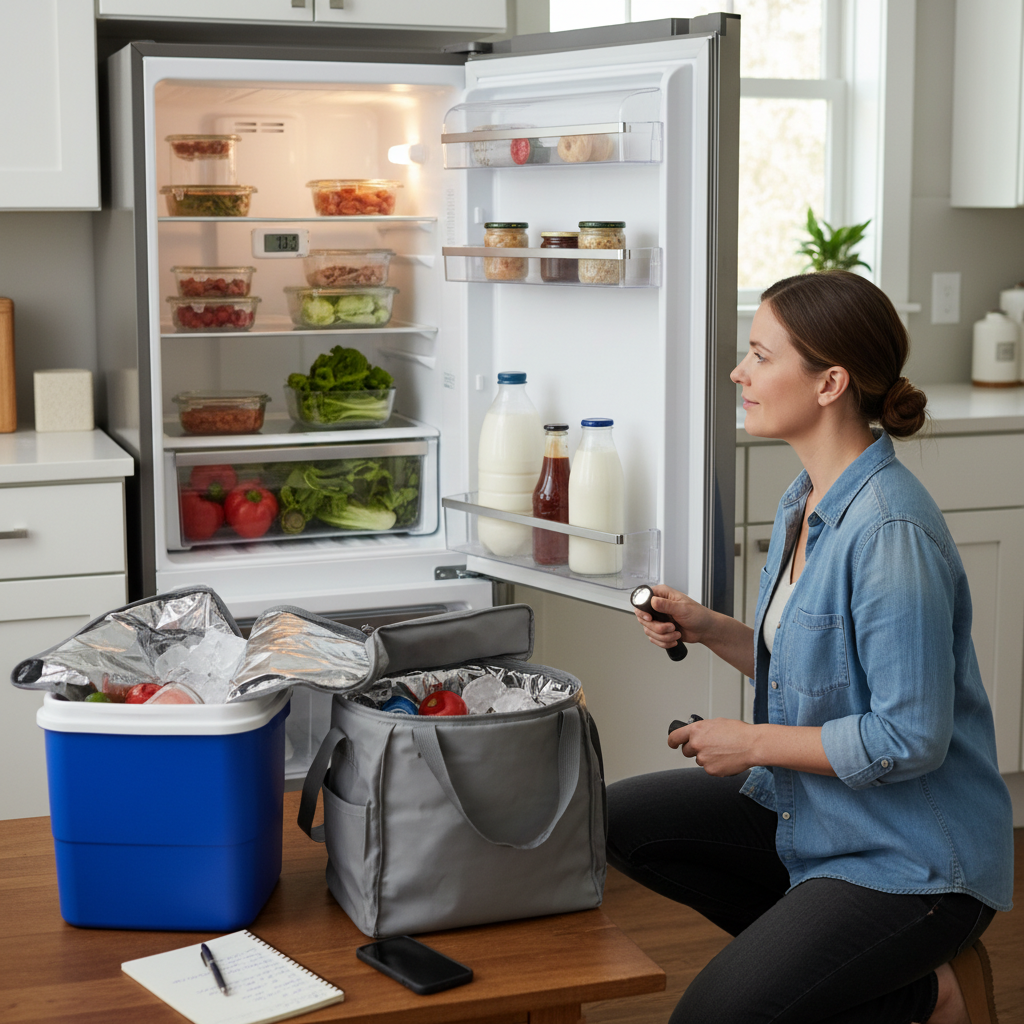
I’ve been there. More times than I care to admit. From a slightly-off fridge to a complete “everything’s-gone-bad” situation, I’ve learned a thing or two about what goes wrong, what you can fix, and when it’s time to call in the pros. So, let’s take a deep breath, and get to the bottom of this.
Why Your Fridge Suddenly Decided to Take a Vacation from Cooling
First things first, let’s figure out what’s *actually* going on. It’s usually not a single big thing, but a combination of issues that cause your fridge to stop doing its job. Think of it like a puzzle. One piece missing can mess up the whole picture. Here are the usual suspects:
- Power Problems: This seems obvious, but hey, it happens. A tripped breaker, a loose power cord, or a power outage you didn’t even realize happened can be the root cause.
- Temperature Settings: Someone (or you!) might have accidentally bumped the temperature controls. Check if it’s set too warm.
- Blocked Vents: Overpacked shelves can block the airflow, preventing proper cooling.
- Dirty Condenser Coils: These coils on the back or bottom of your fridge release heat. If they’re dusty, they can’t do their job efficiently.
- Door Seals Gone Rogue: If the door seals are damaged or dirty, warm air can sneak in, and cool air can sneak out.
- Mechanical Issues: Sometimes, it’s something more serious, like a faulty compressor or a problem with the refrigerant (the stuff that actually cools your fridge).
What You’re Probably Doing Wrong (and How to Fix It)
Okay, let’s be honest. When your fridge isn’t cooling, the first thing we do is panic. And when we panic, we often do things that make the situation worse. Here’s a rundown of common mistakes, and how to avoid them:
Mistake #1: Assuming it’s the Fridge’s Fault Right Away.
Before you start blaming the appliance gods, double-check the basics. Is it plugged in? Is the breaker still on? I’ve spent a frustrating hour before realizing the plug had come loose from the wall. Seriously, it happens.
Mistake #2: Overstuffing the Fridge.
Cramming your fridge to the brim seems like a great way to make sure everything fits, but it’s a cooling disaster waiting to happen. Overpacked shelves block air vents, and air can’t circulate. That warm air will hang out and spoil all your food.
The Fix: Take a good look at your fridge’s contents and throw out what has gone bad. Rearrange the remaining food, making sure there’s space for air to move around. Also, don’t put hot food directly in the fridge. Let it cool down a bit first.
Mistake #3: Ignoring the Condenser Coils.
These coils are often on the back or the bottom of the fridge, and they get covered in dust and grime over time. It’s like your fridge is trying to breathe through a clogged nose. I’ve found that vacuuming these coils once or twice a year can make a huge difference in how well the fridge performs.
The Fix: Unplug the fridge. Locate the coils (check the manual if you’re not sure where they are). Use a vacuum cleaner with a brush attachment to gently clean the coils. Wipe down any accessible areas with a damp cloth.
Mistake #4: Messing with the Temperature Too Much.
If you have kids, chances are someone might have changed the temperature settings on your fridge and you haven’t realized it. Don’t go overboard trying to fix the cooling problem by turning the temperature down to the absolute coldest setting, since this won’t help.
The Fix: Check the temperature settings, which should be between 37-40°F (3-4°C) for the refrigerator, and 0°F (-18°C) for the freezer. A good rule of thumb is to start with a setting in the middle and see if that resolves the issue.
Step-by-Step Guide to Getting Your Fridge Back on Track
Alright, let’s get down to the nitty-gritty. Here’s a practical, step-by-step guide to troubleshooting your not-so-cool fridge. Be safe, and always unplug the fridge before doing any cleaning or inspection work.
- Check the Power: Make sure the fridge is plugged in securely, and that the circuit breaker hasn’t tripped. Reset the breaker if necessary.
- Inspect the Temperature Settings: Confirm that the temperature is set to the correct levels.
- Clean or Replace the Door Seals: The rubber seals around the doors should be clean and seal tightly. Use a mild soap solution and a damp cloth to clean them. If they’re cracked, torn, or don’t seal properly, you might need to replace them.
- Give it Some Space: Remove any food that’s blocking the air vents inside the fridge.
- Clean the Condenser Coils: Unplug the fridge, locate the coils (usually on the back or bottom), and vacuum them thoroughly.
- Listen to Your Fridge: Does the compressor sound like it’s running? It should hum quietly. If it’s silent, or making weird noises, there might be a problem.
- The “Wait and See” Test: After making these checks and fixes, give the fridge 24 hours to stabilize and cool down.
When to Call for Professional Help
Sometimes, despite your best efforts, the fridge just won’t cooperate. If you’ve tried all the steps above and your fridge is still not cooling, or the problem comes back quickly, it’s probably time to call a repair technician. Here are some signs that you need help:
- The Compressor Isn’t Running: This suggests a problem with the compressor motor, which is a key part of your fridge’s cooling system.
- Refrigerant Leak: A leak can cause your fridge to lose its ability to cool.
- Persistent, Unusual Noises: If your fridge is making strange sounds like rattling, clicking, or gurgling, it could indicate a mechanical problem.
- You Smell Freon: Freon has a sweet smell. If you smell it, that can indicate a leak, which can be dangerous.
- The Fridge is Old: If your fridge is more than 10-15 years old, a repair might not be cost-effective.
Preventive Measures for a Happy Fridge
Once you’ve got your fridge cooling again, the goal is to keep it that way. Here are some simple, long-term tips to prevent fridge troubles:
- Regular Cleaning: Wipe down the interior of your fridge regularly, and clean up spills immediately. This prevents odors and keeps everything hygienic.
- Check the Door Seals: Inspect the door seals every few months for cracks, tears, or looseness. Replace them if necessary.
- Avoid Overloading: Don’t pack your fridge too full. Overstuffing blocks air circulation, which can cause problems.
- Check the Temperature: Monitor the temperature regularly to ensure it’s within the ideal range.
- Clean the Condenser Coils: Make cleaning the condenser coils a part of your routine. It takes a few minutes, but it can make a big difference.
- Consider a Fridge Thermometer: Keep a thermometer inside your fridge to make sure it’s at the correct temperature.
Dealing with a broken fridge can be a real pain. But by following these steps, you can often troubleshoot the problem and get things back to normal. And even if you need to call a technician, you’ll be able to explain the problem with confidence. So, take a deep breath, grab your toolkit (or your phone to call for help), and let’s get that fridge cooling again!
If you’re also having issues with your home network, you can learn more about how to boost your Wi-Fi speeds here.
Frequently Asked Questions
1. My fridge is running, but not cooling. What could be the problem?
The most common causes are blocked vents, dirty condenser coils, a faulty door seal, or a problem with the compressor. Start by cleaning the coils, checking the seals, and making sure the vents aren’t blocked.
2. Why is my fridge freezing food?
The temperature setting is likely too low. Adjust the temperature to the recommended setting and see if that fixes the issue.
3. How often should I clean my fridge coils?
Ideally, clean the coils every 6-12 months. More often if you have pets or a dusty environment.
4. What should I do if my fridge door won’t seal?
First, clean the door seals. If that doesn’t work, inspect the seals for damage. You may need to replace them. Check online tutorials for your specific fridge model. Some replacement seals are very easy to install.
5. How long can food stay in a fridge that’s not cooling?
If the temperature rises above 40°F (4°C), food can quickly become unsafe. Discard perishable items like meat, poultry, and dairy products that have been in the fridge for more than a few hours. When in doubt, throw it out.
6. My fridge is making a lot of noise. Is this normal?
Most fridges make some noise, but excessive or unusual noises (rattling, clicking, or loud humming) can indicate a problem. It could be a fan, the compressor, or something else. If the noise is new or concerning, it’s best to have it checked by a technician.
7. How much does it cost to repair a fridge?
Repair costs vary depending on the problem. Some repairs, like replacing a door seal, can be relatively inexpensive. More complex issues, like compressor or refrigerant problems, can be more costly. Get an estimate from a reputable technician before authorizing any repairs.