
Ugh, there’s nothing quite like the sinking feeling of a washing machine refusing to drain. You’ve just finished a load, all excited to hang your clothes, and *blop* – the water just sits there, mocking you. Been there, done that, and trust me, it’s frustrating. But before you start panicking and calling the repair guy (and potentially spending a small fortune), let’s take a deep breath. Most of the time, this is a problem you can absolutely tackle yourself.
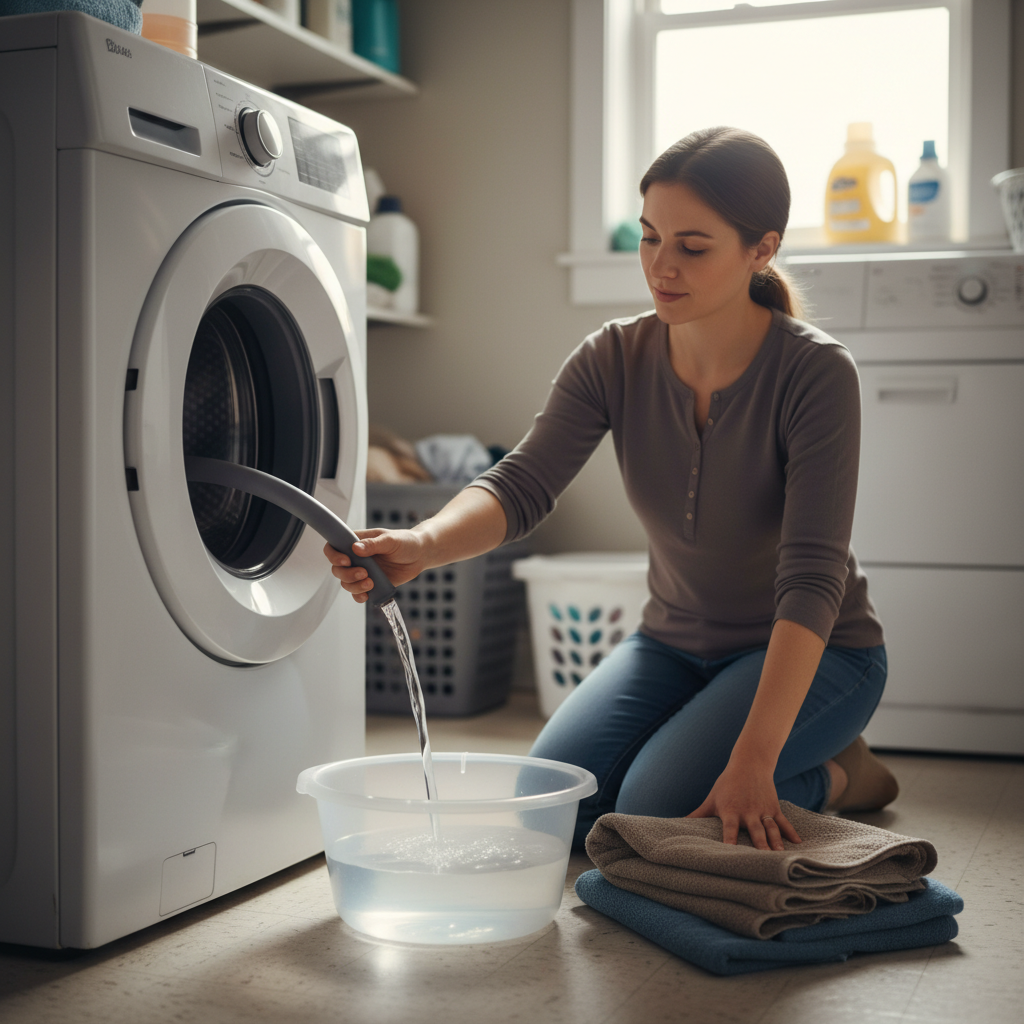
I remember one time, I was in a rush to get my favorite jeans clean for a weekend trip. I shoved everything in, hit start, and went to make a quick cup of chai. Came back, and the machine was just… full. Water everywhere, clothes soaked, and me, totally flustered. Sound familiar? It’s a common issue, and honestly, the fix is usually simpler than you think.
Why Your Washing Machine Isn’t Draining: The Usual Suspects
So, what’s going on when your washing machine decides to become a swimming pool? Let’s break down the usual culprits, so you know where to start looking. No technical jargon, just the plain truth, okay?
Clogged Drain Hose
This is probably the most common cause. The drain hose is the long, flexible tube that carries the water out of your machine and into your drainpipe. Over time, lint, hair, bits of paper, and even small objects (like that stray coin you forgot about) can get trapped in there. This creates a blockage, and the water has nowhere to go.
Clogged Drain Pump Filter
Most washing machines have a filter designed to catch debris before it gets to the pump. This filter is usually located at the bottom front of the machine, behind a small access panel (check your manual if you’re not sure where yours is). This filter can get clogged with lint, buttons, coins, and all sorts of things, preventing water from draining properly.
A Problem with the Drain Pump Itself
The drain pump is the workhorse of the whole operation. It’s what actually pushes the water out of the machine. Sometimes, the pump can fail – maybe the motor burns out, or something jams the impeller (the spinning part that moves the water). This is less common than a clog, but it’s definitely a possibility.
A Kinked or Damaged Drain Hose
Sometimes, the problem isn’t a clog, but a physical issue with the hose itself. If the hose is kinked (bent sharply), it can restrict the water flow. Or, if the hose is damaged (cracked or split), it might be leaking, or it might be collapsing and preventing proper drainage.
Issues with the Drain Pipe or House Plumbing
In rare cases, the problem isn’t the washing machine at all, but something in your house’s plumbing. If the drainpipe that your washing machine hose connects to is clogged, or if there’s a backup in your main drain line, the water from your machine might not be able to flow out.
What You’re Probably Doing Wrong (and How to Fix It)
Okay, now let’s talk about the common mistakes people make when their washing machine won’t drain and, more importantly, how to avoid them.
Mistake 1: Not Unplugging the Machine First
This is a big one. Before you do anything – *anything* – with your washing machine, unplug it from the power outlet. This might seem obvious, but in the heat of the moment, it’s easy to forget. Safety first, always! Dealing with electricity and water is a recipe for disaster.
Mistake 2: Assuming It’s a Major Problem Right Away
A lot of people automatically assume the worst – that their machine is broken beyond repair. They immediately call a repair service. Before you do that, take a deep breath, and try the simple fixes first. Nine times out of ten, it’s something easy.
Mistake 3: Pouring Drain Cleaners Directly into the Machine
While drain cleaners can sometimes help, pouring them directly into your washing machine can be risky. The chemicals can damage the rubber parts of your machine over time. It’s usually better to address the clog directly by removing the debris, rather than relying on harsh chemicals. Plus, if the problem is a physical blockage, drain cleaner won’t do anything.
Mistake 4: Ignoring the Manual
I know, I know… manuals are boring. But your washing machine’s manual is actually your best friend in a situation like this. It will show you exactly where the drain pump filter is located, how to remove the drain hose, and any other specific instructions for your model. It can save you a lot of guesswork and potential mistakes.
Step-by-Step Guide to Getting Your Washing Machine Draining Again
Alright, let’s get down to the nitty-gritty. Here’s how to troubleshoot and fix your washing machine’s drainage problem. I’ll walk you through it step-by-step, just like I’d explain it to a friend.
- Safety First! Unplug your washing machine from the power outlet. Seriously, do it now.
- Locate the Drain Hose: Find the drain hose. It’s usually at the back of the machine, connected to the drainpipe in your wall.
- Check the Drain Hose: Carefully remove the drain hose from the drainpipe. Inspect the end for any obvious clogs. You might see lint, hair, or even small objects blocking the opening.
- Clear the Drain Hose: You can try flushing it with water from a hose (outside, or over a sink, obviously), or you can carefully try to remove any visible clogs with your hands (gloves are a good idea).
- Check the Drain Pump Filter: This is the most common culprit. Locate the access panel (usually at the bottom front of the machine). Open it, and you’ll find a filter. Place a towel or shallow pan under the access panel to catch any water that spills out. Unscrew the filter (usually counter-clockwise). Pull it out, and clean it thoroughly. You’ll be amazed at what you find in there!
- Inspect the Drain Pump: With the filter removed, take a look inside the drain pump area. You might see more debris. Carefully remove it with your hands or a small tool (like a straightened wire hanger).
- Reassemble Everything: Put the drain pump filter back in place, tighten it, and reattach the drain hose to the drainpipe.
- Test it Out: Plug the machine back in. Run a rinse and spin cycle (an empty one, obviously) to see if it drains properly.
If the machine still isn’t draining, here are a few more things you can try:
- Check the Drain Pipe: Make sure the drainpipe in your wall isn’t clogged. You can try using a plumbing snake (a flexible tool designed to clear drain clogs) to clear it.
- Check the Drain Pump: If you’re handy and comfortable with a bit more work, you can try removing the drain pump (consult your manual for instructions). Inspect the impeller for any blockages or damage.
When to Call for Professional Help
Sometimes, despite your best efforts, the problem persists. Don’t feel bad – it happens. Here’s when it’s time to call in a professional:
- The Drain Pump is Damaged: If you suspect the drain pump itself is faulty (e.g., the motor is burned out), you’ll likely need to replace it. This is usually a job for a qualified appliance repair technician.
- You’ve Tried Everything: If you’ve followed all the steps above, and the machine still won’t drain, there might be a more complex issue, such as a problem with the control board. Let a pro handle it.
- You’re Not Comfortable with the Repairs: If you’re not comfortable working with appliances, especially electrical components, don’t risk it. It’s always better to be safe than sorry.
Preventing Future Drainage Issues: Long-Term Tips
Once you’ve got your washing machine draining again, the last thing you want is for this problem to happen again. Here are a few simple things you can do to prevent future drainage issues:
- Clean the Drain Pump Filter Regularly: Make it a habit to clean the drain pump filter every month or two, or more often if you wash a lot of lint-producing items (like towels or blankets). It takes just a few minutes, and it can prevent major headaches down the road.
- Check Pockets Before Washing: Get in the habit of checking pockets before you toss clothes into the wash. Coins, keys, and small objects are the enemy of your drain pump and filter.
- Use the Right Amount of Detergent: Using too much detergent can lead to excessive suds, which can clog the drain pump. Follow the detergent instructions carefully.
- Use a Washing Machine Cleaner Occasionally: You can run a washing machine cleaner through your machine every few months to help remove any buildup of soap, lint, and other debris.
- Inspect the Drain Hose Periodically: Check the drain hose for any kinks, cracks, or damage. Replace the hose if necessary.
By following these tips, you can significantly reduce the chances of your washing machine backing up on you again. And hey, even if it does happen, you’ll be armed with the knowledge and confidence to handle it like a pro.
If you are still struggling with your internet, you might also want to check out this guide on slow internet to help you troubleshoot your technology.
Frequently Asked Questions
Here are a few common questions I get asked about washing machine drainage issues:
1. Why is my washing machine not draining but the pump is running? The pump might be running, but it could be blocked by an object inside the pump itself, or a clog in the hose or filter is preventing the water from reaching the pump.
2. How do I unclog a washing machine drain hose? First, disconnect the hose from both the machine and the drainpipe. Then, try flushing it with water from a hose. If that doesn’t work, you can use a plumbing snake or try to manually remove any visible clogs.
3. Can I use baking soda and vinegar to unclog my washing machine? You can try it. Pour about a cup of baking soda into the drum, followed by two cups of vinegar. Run a hot water cycle (without any clothes) to see if it helps. However, if there’s a physical clog, it probably won’t do much.
4. How much does it cost to fix a washing machine that won’t drain? The cost can vary. If you fix it yourself, it’s free (except for any tools you might need). If you call a repair technician, the cost will depend on the problem and the cost of parts and labor. It can range from $100 to $400 or more.
5. What causes a washing machine to overflow? The most common causes of overflow are a clogged drain hose or filter, a faulty drain pump, or a problem with the water inlet valve.
6. Is it safe to use a washing machine with a clogged drain? No, it’s not safe. The water can overflow and damage your floor, and the machine could short out. Always address the drainage issue immediately.
7. How long should a washing machine last? A good washing machine can last 10-15 years, with proper maintenance. Regular cleaning and timely repairs can extend its lifespan.
8. Can a washing machine drain hose freeze? Yes, in very cold climates, the drain hose can freeze. This is more likely if the hose is outside or in an unheated area. If this happens, you can try thawing the hose with warm water.
I hope this helps! Now, go forth and conquer that clogged washing machine!