
Ugh, that moment. You’ve just finished a mountain of laundry, feeling like you’ve conquered Everest. You hit the “spin” cycle, expecting the triumphant whir of a job well done. Instead, you’re met with… nothing. Or worse, a sloshing, gurgling sound coming from a washing machine that seems determined to hold onto every last drop of dirty water. Yep, I’ve been there. More times than I care to admit. Let’s face it: a washing machine that refuses to drain is a recipe for a soggy, smelly disaster. But before you panic and call the repair guy (which, let’s be honest, can be an expensive roll of the dice), let’s troubleshoot this thing.
Why Won’t My Washing Machine Drain? The Usual Suspects
First things first: don’t assume the worst. Usually, the issue is something simple, something you can fix yourself. I’ve learned this the hard way through countless clogged drains. Here are the usual culprits:
- Clogged Drain Hose: This is the most common problem. The drain hose is the long, ribbed tube that snakes from your washing machine to the drainpipe in your wall. Over time, it can get blocked with lint, hair, bits of fabric, and even small objects that sneak their way into the wash.
- Clogged Pump Filter: Most washing machines have a filter designed to catch lint, buttons, coins, and other debris before they reach the pump. This filter can become clogged, preventing water from draining properly.
- Blocked Drainpipe: Sometimes, the problem isn’t your machine at all. The drainpipe in your wall, which your washing machine’s drain hose connects to, can become clogged with gunk from other sources, like the kitchen sink or even the bathroom.
- Faulty Drain Pump: This is less common, but the drain pump itself, which forces the water out, can fail. This usually involves a more involved repair.
The Frustration: That Feeling of “What Now?!”
The immediate feeling when your washing machine isn’t draining? Panic, followed by a sinking feeling. You’re stuck with a load of wet, heavy clothes. The potential for mold and mildew is looming. And you’re already picturing the repair bill. Trust me, I get it. I remember one time, I was trying to wash a particularly large comforter. Halfway through the cycle, I heard the telltale gurgle. I opened the door, and there it was, the comforter bobbing in a swampy mess of dirty water. I wanted to scream! That’s the moment when you know you’re in for some fun.
The worst part? Often, the initial reaction is to try the same thing over and over, hoping it’ll magically fix itself. Pushing buttons, restarting the cycle, maybe even giving the machine a good kick (don’t do that, by the way—it won’t help!). It’s a frustrating cycle in itself, and I’m sure we’ve all been there.
Common Mistakes and Misinformation: Don’t Fall for These!
When your washing machine won’t drain, the internet is overflowing with “helpful” advice. But be careful. Not all advice is good advice. Here are a few common mistakes I’ve seen:
- Using Harsh Chemicals: Some people suggest pouring drain cleaners down the drain hose. While these chemicals might work for a clogged sink, they can damage your washing machine’s components, especially the rubber seals.
- Ignoring the Pump Filter: Many people skip checking the pump filter, assuming it’s not the problem. This is a HUGE mistake! The filter is often the easiest and quickest fix.
- Assuming the Machine is Broken: Don’t jump to conclusions. Most of the time, it’s a simple clog. Don’t call a repair person immediately. You might save yourself a lot of money.
- Overloading the Machine: Too many clothes can put a strain on the washing machine, which can make it more likely to get clogged.
The Real Fix: A Step-by-Step Guide
Okay, let’s get down to the practical stuff. Here’s a step-by-step guide to tackling a washing machine that won’t drain. I’ve used these steps myself many times, and they usually do the trick.
- Safety First: Before you do anything, unplug the washing machine from the power outlet. This is crucial for your safety.
- Locate the Drain Hose: Find the drain hose at the back of your washing machine. Make sure it’s properly connected to the drainpipe.
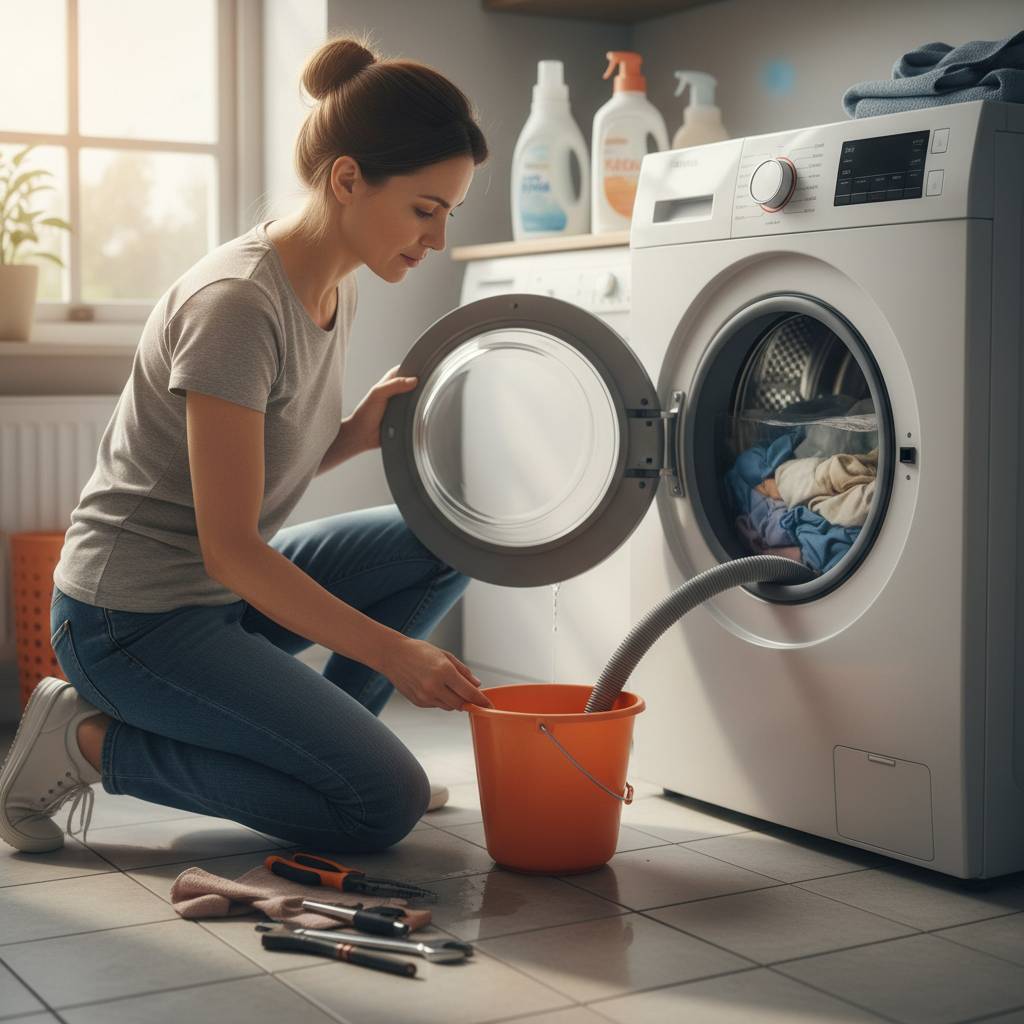
- Check the Drain Hose: Carefully disconnect the drain hose from the drainpipe. Place the end of the hose in a bucket or tub to catch any water that might be trapped inside. Inspect the hose for any clogs. You can try flushing it with water from a garden hose or running a straightened wire hanger through it to dislodge any obstructions. If the hose is severely clogged or damaged, you might need to replace it. This is a cheap fix, usually.
- Find the Pump Filter: Most front-load washing machines have a pump filter located behind a small access panel at the bottom front of the machine. Top-load machines might have the filter in a different location (check your owner’s manual).
- Prepare for Water: Place a shallow pan or towels under the access panel to catch any water that might spill out when you open the filter.
- Open and Clean the Filter: Carefully unscrew or unclip the filter. Expect some water to come out! Pull the filter out and inspect it. You’ll likely find a collection of lint, hair, buttons, coins, and other debris. Clean the filter thoroughly under running water. Use a small brush or even an old toothbrush to remove any stubborn gunk.
- Reassemble Everything: Once the filter is clean, replace it, making sure it’s securely fastened. Reconnect the drain hose to the drainpipe.
- Test It Out: Plug the washing machine back in and run a short cycle with just water to see if it drains properly. If it does, you’re golden!
What If It Still Won’t Drain? When to Call for Help
If you’ve followed these steps and your washing machine still won’t drain, it’s time to consider that the problem might be more serious. Here’s when to call a professional:
- The Drain Pump is Faulty: If you suspect the drain pump is the problem, you’ll likely need a repair technician. This often involves replacing the pump, which is not a DIY job for most people.
- Internal Clogs: There could be a clog deeper inside the machine that you can’t access. A technician has the tools and expertise to diagnose and clear internal blockages.
- Electrical Issues: If you smell burning, see sparks, or suspect any electrical problems, unplug the machine immediately and call a qualified appliance repair person. Don’t mess with electricity unless you know what you’re doing.
- You’re Not Comfortable: If you’re not comfortable working on your washing machine, or if you’re unsure about any of the steps, it’s always best to call a professional.
Modern Relevance: Laundry in the 2020s
In our increasingly busy lives, laundry is a constant battle. We’re washing activewear, work clothes, and bedding more frequently than ever. Add in the increased use of delicate fabrics and the rise of “athleisure,” and you’ve got a recipe for potential clogs. Also, we’re all using our washing machines more with the rise of WFH lifestyles.
One more thing: be mindful of those sneaky little laundry pods. While convenient, if they don’t dissolve properly, they can create a sticky, soapy mess that contributes to clogs.
Long-Term Prevention: Keep the Clogs Away
Once you’ve fixed the problem, you don’t want to deal with it again, right? Here are some simple, long-term tips to keep your washing machine draining smoothly:
- Clean the Pump Filter Regularly: Make it a habit to check and clean the pump filter at least once a month, or more often if you do a lot of laundry.
- Use the Right Amount of Detergent: Using too much detergent can lead to excessive suds, which can contribute to clogs. Follow the detergent manufacturer’s instructions.
- Avoid Overloading the Machine: Give your clothes room to move. Overloading can strain the machine and increase the chance of clogs.
- Check Pockets Before Washing: Empty those pockets! Coins, pens, and other small items can easily find their way into the drain system.
- Clean the Drain Hose Periodically: Every few months, disconnect the drain hose and flush it out with water.
- Use a Washing Machine Cleaner: Once or twice a year, run a cleaning cycle with a washing machine cleaner to remove any buildup of soap scum and grime.
Dealing with a washing machine that won’t drain is frustrating, but it’s usually a fixable problem. By following these steps, you can troubleshoot the issue, clear the clogs, and get back to enjoying your clean clothes. And hey, while you’re at it, maybe consider taking a look at other home maintenance tasks you might be putting off!
FAQ: Washing Machine Drainage Dilemmas
Here are some frequently asked questions about washing machine drainage issues:
1. Why is my washing machine making a gurgling noise when it drains?
That gurgling sound often indicates a partial clog in the drain hose or drainpipe. It means the water is struggling to get through. Start by checking the drain hose and the pump filter.
2. Can I use a plunger to unclog my washing machine?
I would not recommend it. While a plunger might work for a sink, it’s not the best tool for a washing machine. The force can potentially damage the internal components.
3. How do I know if the drain pump is bad?
If you’ve checked the hose and filter, and the machine still won’t drain, and you hear a humming or buzzing sound but no water movement, the drain pump might be faulty. In this case, you’ll need to call a repair technician.
4. What can I do if my washing machine smells like mildew?
Mildew usually means there’s a buildup of moisture somewhere in the machine. Clean the washing machine according to the manufacturer’s instructions. Run an empty cycle with hot water and washing machine cleaner. And make sure to leave the door open between washes to promote airflow and prevent moisture buildup.
5. How often should I clean the pump filter?
As a general rule, you should clean the pump filter at least once a month, but more frequently if you do a lot of laundry, or if you notice lint or debris accumulating in the filter.
6. My washing machine is draining slowly. What could be the problem?
Slow draining is often a sign of a partial clog. Check the drain hose, pump filter, and the drainpipe in your wall. You might also be using too much detergent.
7. Can I wash pet hair in my washing machine?
Yes, but be careful! Pet hair can easily clog your machine. Before washing pet-hair-covered items, shake them out thoroughly. Clean the pump filter frequently. And consider using a washing machine cleaner more often.