
Ugh, the laundry day blues! You load up your washing machine, add the detergent, and hit start, only to return later to a tub full of soapy water. Your clothes are still soaking, and the machine is making all sorts of unhappy noises. Sound familiar? Been there, done that! There’s nothing quite as frustrating as a washing machine that refuses to drain. It’s a common problem, but thankfully, most of the time, it’s not a disaster.
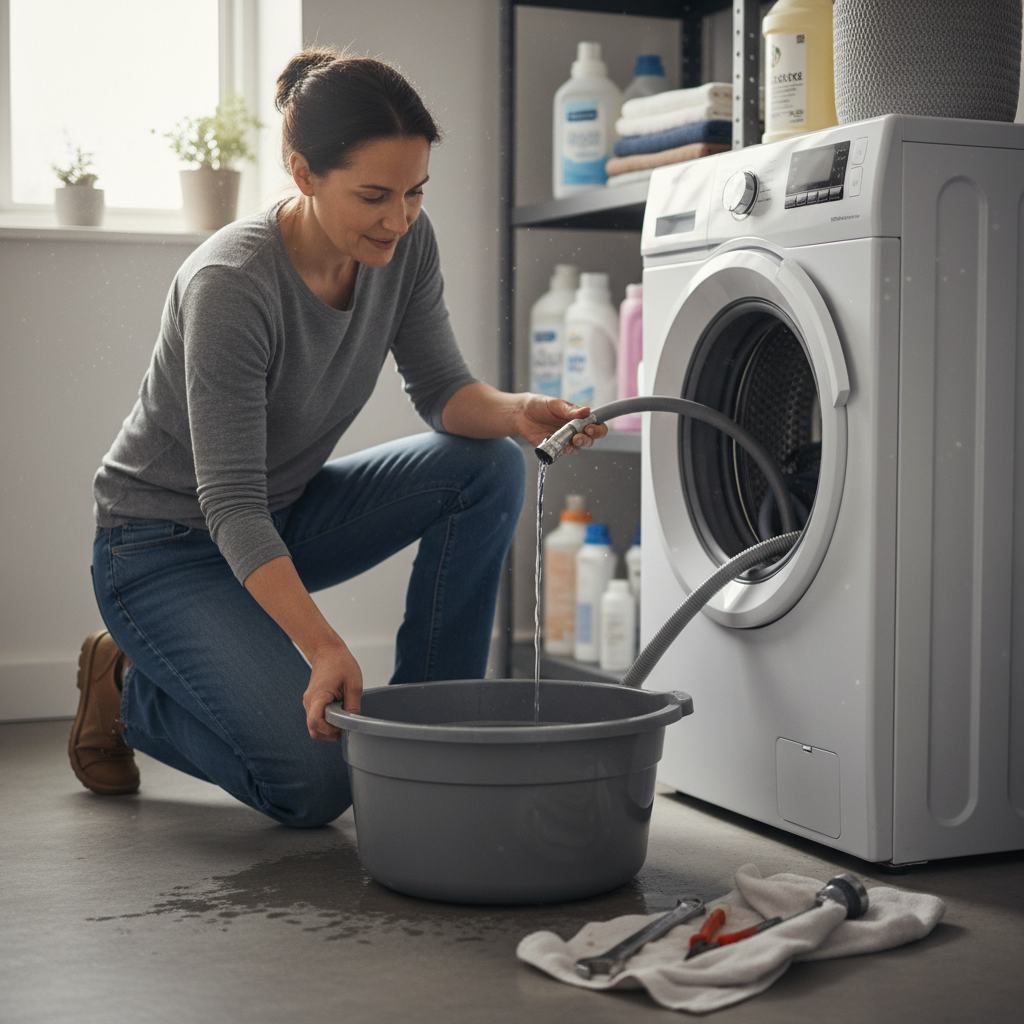
I remember one time, it was a Sunday, and I had a mountain of laundry. Kids’ sports uniforms, work clothes, and everything in between. I’d just finished a huge dinner, and the last thing I wanted to do was deal with a broken appliance. But there it was – the dreaded standing water. Panic mode almost set in, but after years of these little household dramas, I’ve learned to stay calm and approach the situation logically. So, let’s talk about why your washing machine might be holding onto its water and, more importantly, how to get things flowing again.
What’s Actually Going Wrong? The Drain Cycle Explained
Before we dive into the fixes, let’s quickly understand how your washing machine is *supposed* to work. When you start the drain cycle, the machine activates a pump. This pump’s job is to force the water out through a drain hose, which usually leads to a standpipe (that tall pipe in your laundry room) or directly into a drain in the wall. The pump is the heart of the draining process, and if it’s not working, or if something is blocking the way, you’re going to have a problem.
The Usual Suspects: Why Your Machine Won’t Drain
So, what causes the drain cycle to fail? Here are the most common culprits, based on my own experiences and helping friends and family with their machines. These are the things I always check first:
- Clogged Drain Hose: This is probably the most frequent cause. The drain hose, that corrugated tube that carries the water away, can get clogged with lint, hair, bits of paper, or even small objects that accidentally make their way into the wash.
- Clogged Drain Pump Filter: Most washing machines have a filter, often located near the bottom front of the machine, that catches larger debris. This filter can become clogged over time, preventing water from reaching the drain pump.
- A Problem with the Drain Pump: The pump itself could be the issue. It could be worn out, or an object might have jammed the impeller (the part that spins to push the water out).
- A Blocked Standpipe or Drain: Sometimes the problem isn’t with the machine at all, but with the drain line itself. A clog in the standpipe or the drain line can cause the water to back up into the washing machine.
- The Lid Switch or Other Electrical Issues: Modern washing machines have safety features. If the lid switch (which tells the machine the lid is closed) malfunctions, the machine might not start the drain cycle. Similarly, any electrical issue could be the problem.
The Mistakes People Make (And How to Avoid Them)
When faced with a washing machine that won’t drain, people often make a few common mistakes. Knowing these can save you a lot of time, frustration, and possibly prevent damage.
- Relying on the Internet Too Much: You’ll find a LOT of advice online, but not all of it is good or relevant to your specific machine. Remember, every machine is different.
- Ignoring the Obvious: Sometimes, the fix is super simple, but we overthink it. Always start with the easy checks.
- Using Harsh Chemicals Too Early: Pouring harsh drain cleaners into your washing machine without knowing the cause can damage the internal components and, in the worst cases, can cause more problems.
- Trying to Force Things: Never try to force the machine to drain by, for instance, manually trying to push water out. You could damage the pump.
Step-by-Step Fixes: Your Home Repair Guide
Now, let’s get down to the practical part. Here’s a step-by-step guide to troubleshooting your washing machine’s drainage problem. Remember, always unplug the machine from the power outlet before you start working on it. Safety first!
- Check the Drain Hose:
- Disconnect the drain hose from both the washing machine and the standpipe/drain.
- Carefully inspect the hose for clogs. You can use a straightened wire hanger or a plumbing snake to clear out any blockage.
- Rinse the hose with water to ensure it’s completely clear.
- Clean the Drain Pump Filter:
- Locate the drain pump filter. It’s usually behind a small access panel at the bottom front of the machine.
- Place a shallow pan or towels under the filter to catch any water that spills out.
- Carefully unscrew or remove the filter. Be prepared for some water to come out.
- Clean the filter thoroughly, removing any lint, hair, or debris.
- Reinstall the filter and close the access panel.
- Inspect the Drain Pump:
- If you’re comfortable, you can try to access the drain pump itself. (Consult your machine’s manual for specific instructions).
- Carefully check for any obstructions in the impeller. You may be able to remove small objects.
- If the pump is making unusual noises, it may be failing and require professional repair or replacement.
- Check the Standpipe/Drain:
- If you suspect a clog in the standpipe or drain, you can try using a plumbing snake to clear it.
- Be careful not to damage the pipes. If you’re not comfortable with this, call a plumber.
- Check the Lid Switch (and Other Electrical Parts):
- If the machine still doesn’t drain, and you’ve tried the other steps, the lid switch or other electrical components might be the problem.
- This is where you might want to call a repair technician, as working with electrical components can be dangerous.
When to Call for Professional Help
While many drain problems can be fixed at home, there are times when it’s best to call a professional. Here are a few scenarios:
- Electrical Issues: If you suspect an electrical problem (the machine won’t turn on at all, or the control panel is unresponsive), it’s best to call a qualified appliance repair technician.
- Pump Failure: If the drain pump is making unusual noises or is completely dead, a replacement may be needed. Replacing a pump can be tricky, so professional help is often best.
- Complex Clogs: If you’ve tried all the DIY methods and the machine still won’t drain, the clog might be deep within the plumbing system, and a plumber might be required.
Long-Term Prevention: Keeping Things Flowing Smoothly
Once you’ve fixed the problem, you want to prevent it from happening again. Here are a few tips to keep your washing machine draining properly:
- Clean the Drain Pump Filter Regularly: Make it a monthly habit. It takes just a few minutes, and it can prevent major problems.
- Avoid Overloading the Machine: Overloading can put extra strain on the pump and also increase the chance of items getting caught in the drain.
- Use the Right Amount of Detergent: Too much detergent can create excessive suds, which can clog the drain system.
- Check Pockets Before Washing: Always check pockets for loose change, pens, or other small items that can cause clogs.
- Run an Empty Cycle with Washing Machine Cleaner: Once every few months, run an empty wash cycle with washing machine cleaner to help remove any buildup in the machine and keep the system clean.
I hope this guide helps you get your washing machine draining properly again! Remember, don’t panic. With a little patience and a few simple steps, you can usually solve the problem yourself. And hey, even if you do need to call a repair person, at least you’ll have a better understanding of what’s going on!
Is your fridge giving you problems? Check out this related article: My Fridge Isn’t Cooling! A Practical Guide to Saving Your Food (and Your Sanity)
Frequently Asked Questions
- Why is my washing machine not draining, but the pump is running?
This usually means there’s a clog somewhere in the drain hose or the drain pump filter. Check these areas first. It could also mean the impeller in the pump is blocked.
- Can I use a drain cleaner in my washing machine?
Use drain cleaner with caution, and only if you are certain the blockage is not caused by something that could react badly to the cleaner. Follow the product’s instructions and don’t overuse it. Often, a physical inspection and cleaning are better and safer options.
- How often should I clean my washing machine’s drain pump filter?
I’d recommend cleaning it once a month, or at least every other month, to prevent clogs from building up. It’s a quick task that can save you a lot of hassle.
- My washing machine is making a gurgling sound. What does this mean?
A gurgling sound often indicates a partial clog in the drain. It could be in the drain hose or the drain itself. Check both and clear any blockages.
- How long should a washing machine drain cycle take?
A normal drain cycle usually takes 2–3 minutes, though it can vary depending on the machine and the load size. If it takes much longer than this, or if the machine is struggling, then you likely have a drain issue.
- My washing machine is draining, but the clothes are still wet. What’s wrong?
The machine might not be spinning properly, or there may be a problem with the spin cycle. The machine might be out of balance, or it could be a motor issue. Check for a blocked drain first, and then investigate the spin cycle itself.
- What if there’s standing water in the washing machine and I can’t get to the filter?
If you can’t reach the filter, try siphoning the water out using a small hose or bucket. Then, investigate the filter. You might need to call a repair technician, depending on the severity of the issue.