
Ugh, the laundry. You finally get around to it, gather all the clothes, sort them like a pro, and load up the washing machine. You hit “start,” imagining fresh, clean clothes in a few minutes. Then… nothing. The wash cycle finishes, but the water just sits there, mocking you. Your washing machine won’t drain. Sound familiar?
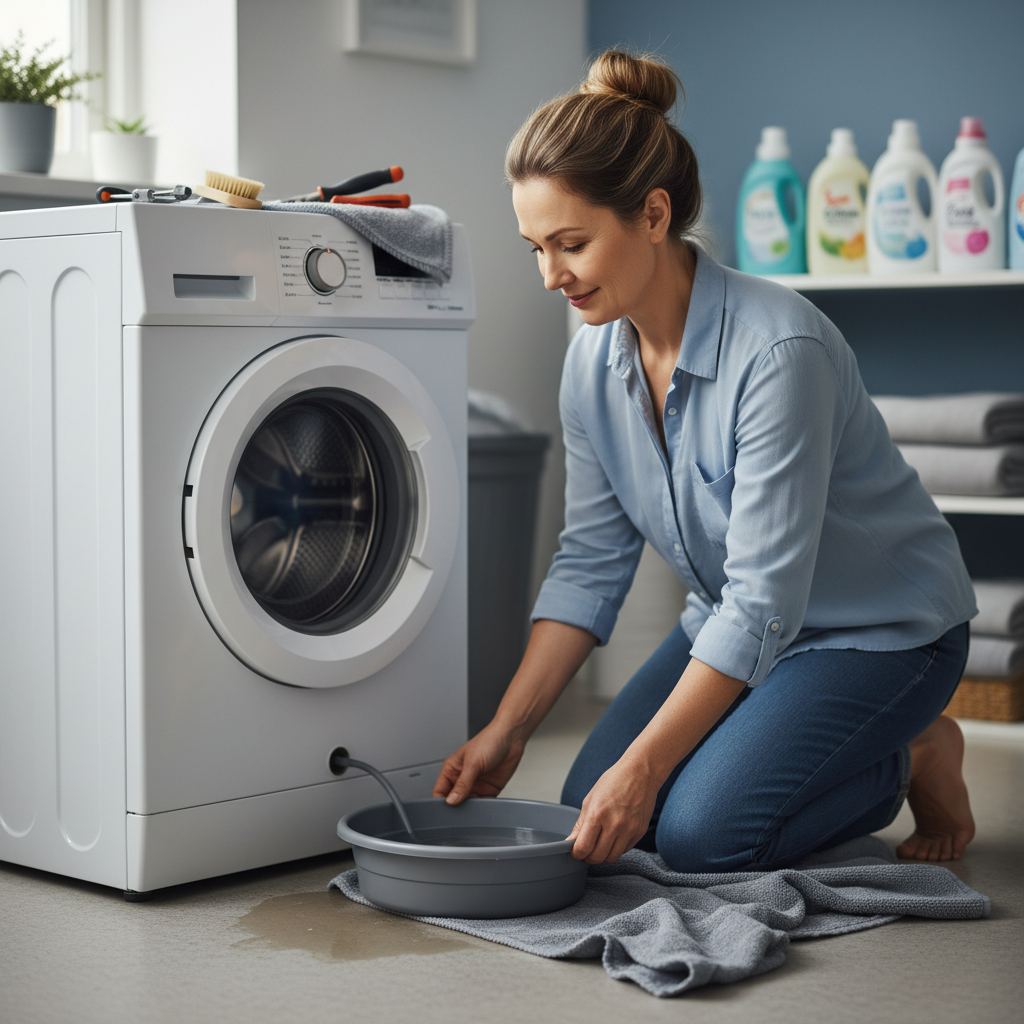
Trust me, I’ve been there. More times than I care to admit. It’s one of those everyday problems that can turn a good day sour, fast. But before you start panicking and imagining mountains of soggy laundry piling up, take a deep breath. Most of the time, this is a fixable problem, and you don’t need to be a repair guru to get your washing machine draining again.
Why Isn’t My Washing Machine Draining? The Usual Suspects
Let’s get one thing straight: you’re not alone. A washing machine that won’t drain is a super common issue. The good news? The problem is usually something relatively simple, like a clog or a kink. Here are the most common culprits:
* **Clogged Drain Hose:** This is often the first thing to check. The drain hose carries the water out of the machine, and it can get blocked by lint, hair, bits of paper, or even small objects that sneak their way into the wash.
* **Clogged Drain Filter:** Most washing machines have a filter, usually located behind a small access panel at the bottom front of the machine. This filter catches debris, but it can get clogged.
* **Kinked or Crushed Drain Hose:** If the drain hose is bent, twisted, or squashed, the water can’t flow freely. This can happen if the machine is pushed too close to the wall or if something is leaning on the hose.
* **Blocked Drain Pump:** The drain pump is what actually *pumps* the water out. It can get clogged with debris or fail altogether.
* **Problems with Home Plumbing:** Sometimes, the issue isn’t the washing machine itself, but a clog in your home’s drain pipes.
* **Faulty Lid Switch (Top-Load Washers):** Top-load washers have a switch that tells the machine the lid is closed. If this switch malfunctions, the machine may not drain.
What NOT to Do (And What to Do Instead)
Okay, so you’ve got a pool of water in your washing machine. Here’s where a lot of people go wrong, and what you should do instead:
* **Don’t Panic and Immediately Call a Repairman:** I know, it’s tempting. But resist! You can often fix this yourself with a little bit of time and effort.
* **Don’t Pour Harsh Chemicals Down the Drain:** This can damage your machine and isn’t always effective.
* **Don’t Overload the Machine:** Overloading strains the pump and can contribute to drainage issues in the future.
Instead, start with these simple steps:
1. **Safety First!** Unplug the washing machine or turn off the circuit breaker before you do anything else.
2. **Locate the Drain Hose:** Find the drain hose at the back of the machine. Make sure it’s not kinked or crushed.
3. **Check the Drain Hose:** Disconnect the hose from the drainpipe (have a bucket ready to catch any water) and check for clogs. You can usually see the problem.
4. **Find and Clean the Filter:** Locate the filter (check your owner’s manual if you’re not sure where it is), and clean it out. This is often the magic bullet!
Step-by-Step Practical Fixes: Getting Your Washer Draining Again
Alright, let’s get down to business. Here’s a practical, step-by-step guide to fixing a washing machine that won’t drain, based on my own trial-and-error experiences:
**Step 1: Prep and Assess**
* **Safety First, Again:** Unplug the washing machine or switch off the breaker. Seriously, it’s important.
* **Gather Your Supplies:** You’ll need:
* A bucket or shallow container (to catch water)
* Towels (lots of them!)
* Gloves (optional, but they keep your hands clean)
* A flashlight (to see inside the machine)
* A screwdriver (may be needed to access the filter)
**Step 2: Manual Drain (If Needed)**
* **This is essential for front-load washers, and helpful for top-loaders.**
* **Locate the Emergency Drain Hose (Front-Load):** Some front-load washers have a small drain hose, usually behind a lower access panel. Place your bucket under the hose and remove the cap. Water will pour out (hopefully, most of it!).
* **Drain from the Drain Hose (Both Types):** If there’s no emergency drain, or for top loaders, carefully lower the drain hose into a bucket to drain the water. This can be messy, so be prepared with towels.
**Step 3: Check the Drain Hose**
* **Locate the Drain Hose:** It’s at the back of the machine, connecting to the drainpipe.
* **Inspect for Kinks:** Straighten the hose if it’s bent or twisted.
* **Disconnect and Inspect:** Loosen the clamp that holds the hose to the drainpipe (and the back of the washer). Carefully pull the hose out.
* **Check for Blockages:** Look inside the hose for lint, hair, or anything else that might be blocking the water flow. Run water through the hose to flush out any remaining debris. Reconnect the hose securely.
**Step 4: Clean the Filter**
* **Locate the Filter:** Check your owner’s manual if you’re unsure. It’s usually behind a small access panel at the bottom front of the machine.
* **Prepare:** Place a shallow container or towels under the filter area to catch water.
* **Open the Filter:** There might be a small door or panel you need to remove. Some filters unscrew.
* **Unscrew and Remove:** Slowly unscrew the filter, being prepared for some water to come out.
* **Clean the Filter:** Remove any lint, hair, buttons, or other debris. Rinse the filter under running water.
* **Clean the Filter Housing:** While you’re at it, wipe out the area where the filter sits.
* **Reinstall:** Screw the filter back in tightly. Don’t overtighten it.
**Step 5: Test the Machine**
* **Plug the Machine Back In:** Or turn the breaker back on.
* **Run a Rinse and Spin Cycle:** This helps you see if the machine is draining properly.
* **Listen and Watch:** Is the water draining? Are there any unusual noises?
When to Call a Professional
Sometimes, despite your best efforts, the problem is bigger than you can handle. Here’s when it’s time to call in a pro:
* **If the Drain Pump is the Culprit:** If you suspect the drain pump is broken or clogged, it’s often best to call a repair person. Replacing a drain pump can be tricky. The cost to replace the pump can be between $150 and $350.
* **If the Home Plumbing is the Issue:** If the washing machine drain is clear, but the water still won’t drain, there might be a clog in your home’s drain pipes. A plumber can help with this.
* **If You’re Not Comfortable:** If you’re not comfortable taking apart your washing machine, don’t force it. You could cause more damage.
Preventing Future Washing Machine Drainage Disasters
The good news is that you can often prevent this problem from happening again! Here are some long-term prevention tips:
* **Clean the Filter Regularly:** Once a month is a good rule of thumb, but if you have pets or do a lot of laundry, you might want to do it more often.
* **Check Pockets Before Washing:** Coins, keys, and other small items can easily clog the drain pump.
* **Use the Right Amount of Detergent:** Too much detergent can create excessive suds, which can interfere with draining.
* **Avoid Overloading:** Overloading puts extra stress on the pump.
* **Inspect the Drain Hose:** Check the drain hose for kinks or damage regularly. Replace it if it’s worn or damaged.
* **Run Cleaning Cycles:** Run an empty cycle with hot water and washing machine cleaner once a month to remove residue.
The key takeaway? A washing machine that won’t drain is annoying, but usually not a disaster. With a little bit of know-how and some elbow grease, you can often get things flowing again. And hey, even if you need to call a repair person, you’ll know more about what’s going on. Now go forth and conquer that laundry pile!
FAQ – Washing Machine Won’t Drain
Here are some common questions and answers about washing machine drainage issues, based on real searches:
**1. Why is my washing machine not draining, even though I just cleaned the filter?**
Cleaning the filter is a great first step, but it’s not always the only problem. Check the drain hose for kinks or clogs. There could also be a problem with the drain pump itself, or a clog in your home’s drainpipes.
**2. How do I manually drain a washing machine that won’t drain?**
If you have a front-load washer, look for the emergency drain hose (usually behind a small panel). Place a bucket under it and remove the cap to drain the water. For top-loaders, or if your front-loader doesn’t have an emergency drain, lower the drain hose into a bucket.
**3. Can a clogged drain hose cause my washing machine not to drain?**
Yes, a clogged drain hose is a very common cause of this problem. It’s the first thing you should check.
**4. How do I know if the drain pump is the problem?**
If you hear a humming or grinding noise during the drain cycle, the pump may be clogged or failing. You might also see an error code on your machine’s display.
**5. What can I put down the drain to unclog a washing machine?**
Avoid using harsh chemicals, as they can damage your machine. First, try cleaning the filter and drain hose. If the problem is in your home’s plumbing, it’s best to call a plumber.
**6. How often should I clean my washing machine filter?**
It’s a good idea to clean your washing machine filter at least once every three months, or more often if you do a lot of laundry or have pets.
**7. How much does it cost to replace a washing machine drain pump?**
The cost can range from $150 to $350, including parts and labor.