
Ugh, there’s nothing quite like the sinking feeling of realizing your washing machine has decided to stage a protest and refuse to drain. You’ve got a mountain of laundry, maybe a few loads are already done and soaking in soapy water, and now you’re staring at a machine that’s more of a swamp than a laundry appliance. Trust me, I’ve been there. More times than I care to admit. It’s frustrating, messy, and can feel like a complete laundry day disaster. But, before you panic and start picturing a hefty repair bill, let’s get into what’s actually going on and what you can do about it.
The “Why” Behind the Watery Woes
So, why is your washing machine holding onto water like it’s a precious resource? The most common culprit is a clog, usually caused by something getting stuck in the drain system. This can be anything from lint and hair to small objects that have made their way into the wash, like coins or even that sneaky pen that somehow ended up in your pocket. Another reason could be a problem with the drain pump itself, which is responsible for pushing the water out. Sometimes, it just gives up the ghost.
Let’s face it: we’re all guilty of tossing things into the wash without thinking. That tissue you forgot to remove from your pocket? A common mistake! Loose threads from new clothes, pet hair that seems to multiply in the wash, and even the buildup of detergent over time can all contribute to a clog. And if you’ve got an older machine, the hoses and drain parts might be starting to show their age, making them more prone to blockages.
The Mistakes People Make (And How to Avoid Them)
Before we dive into solutions, let’s talk about what not to do. I’ve made all these mistakes myself, and I’m here to save you the trouble.
- Panicking and calling a repair person immediately: I know, it’s tempting. But often, it’s a simple fix you can do yourself. Save your money, at least initially.
- Pouring harsh chemicals down the drain: While some drain cleaners might seem like a quick fix, they can damage your machine’s components, especially plastic parts, and they’re not always effective. Plus, the fumes can be nasty.
- Assuming the worst: Don’t jump to the conclusion that your machine is completely dead. In many cases, it’s just a minor blockage.
The Real Fix: A Step-by-Step Guide
Alright, time to roll up your sleeves and get to work. Here’s a practical, step-by-step guide to get your washing machine draining again. This is based on what has worked for me, and hopefully, it will work for you too.
- Safety First: Before you do anything, unplug the washing machine from the power outlet. This is non-negotiable! You’re dealing with water and electricity, so safety is paramount.
- Locate the Drain Hose: The drain hose is usually at the back of the machine. It’s the large, corrugated hose that leads from the machine to your drainpipe.
- Check the Drain Hose: Disconnect the drain hose from the drainpipe (have a bucket or towels ready, as there may be water in the hose). Inspect the hose for any obvious blockages. Sometimes, you can simply run water through the hose to flush out a clog.
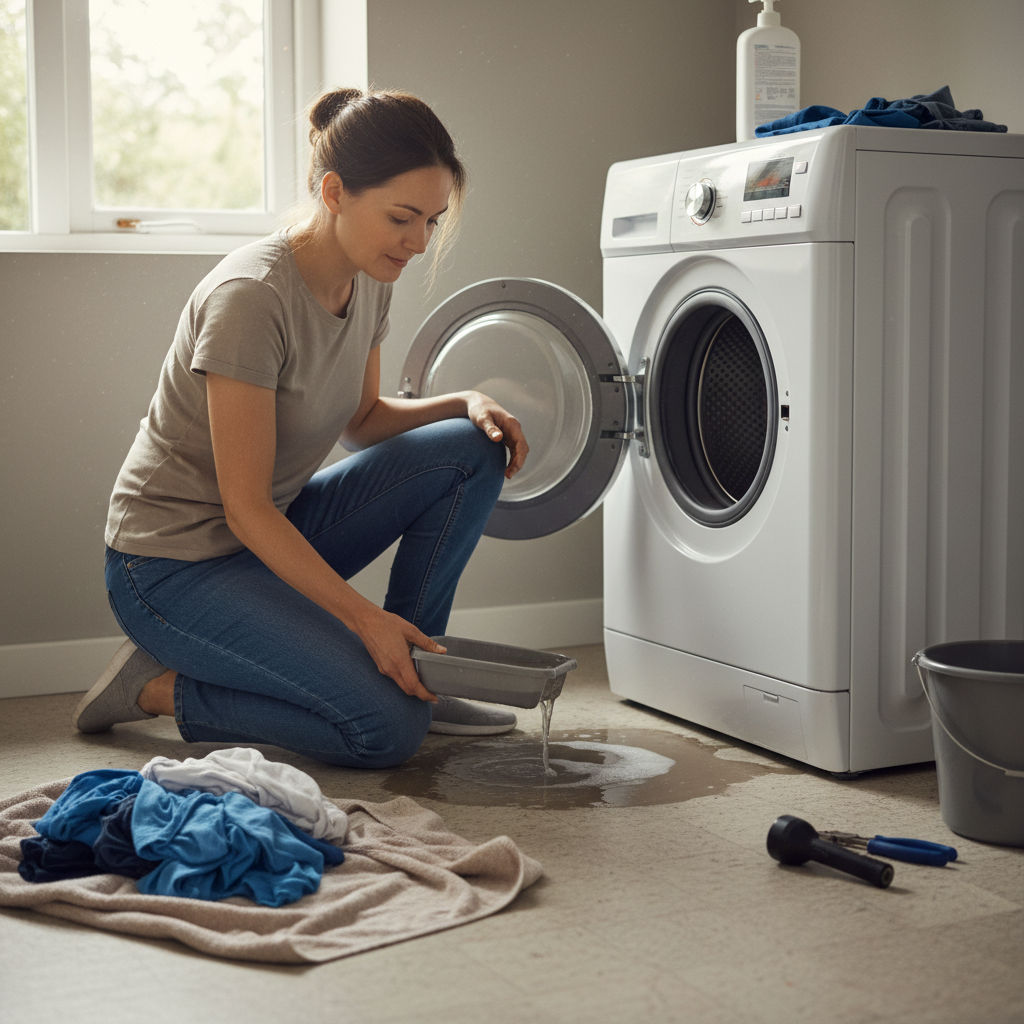
- Access the Filter/Trap: Most washing machines have a filter or a trap located at the bottom front of the machine (behind a small access panel). This is a prime spot for catching lint, hair, and small debris.
- Open the access panel (consult your machine’s manual if you’re not sure where it is).
- Have a shallow pan or towels ready to catch any water that might spill out.
- Carefully unscrew or remove the filter/trap. Be prepared for some water to come out.
- Clean out the filter/trap thoroughly. You’ll be surprised at what you find. Rinse it under the tap to make sure everything is clear.
- Reinstall the filter/trap securely.
- Check the Drain Pump (If You’re Feeling Brave): If you’re comfortable, and the filter is clear, you can check the drain pump itself. (Again, this is in the back.)
- Consult your machine’s manual for specific instructions. The pump can sometimes be accessed through a panel at the back or bottom of the machine.
- Look for any visible obstructions.
- Carefully remove any debris you find.
- Make sure the pump impeller (the spinning part) can rotate freely.
- Test Run: Plug the machine back in and run a short cycle, like a rinse and spin. Keep an eye on the drain hose to make sure the water is flowing freely.
- The Smell Test: If there’s a lingering unpleasant odor, it might be due to mold or mildew buildup. Run an empty, hot water cycle with a cup of white vinegar to help clean and freshen the machine.
When to Call for Backup
So, you’ve tried everything above, and your washing machine is still refusing to drain? It’s time to call in the professionals. Here are a few signs that it’s beyond a simple home fix:
- The drain pump is making a strange noise: This could indicate a failing pump motor.
- Water is leaking from the machine: This might point to a cracked hose or other internal damage.
- The machine is still under warranty: Don’t void your warranty by trying to fix it yourself!
- You’re not comfortable working with appliances: If you’re not confident, don’t risk it. It’s better to be safe than sorry.
Preventing Future Drain Disasters
Once you’ve got your washing machine back in working order, you’ll want to do everything you can to prevent a repeat performance. Here are a few simple habits that can save you a lot of headaches:
- Clean the filter regularly: Make it a monthly habit. It takes just a few minutes and can save you from major problems.
- Check pockets before washing: This is the easiest one to do! Get into the habit of checking all pockets for tissues, coins, pens, and anything else that shouldn’t be there.
- Use the right amount of detergent: Too much detergent can lead to a buildup of residue, which can contribute to clogs. Follow the instructions on the detergent bottle.
- Run a cleaning cycle occasionally: Run an empty hot water cycle with a cup of vinegar every few months to keep the machine clean and fresh.
- Consider a pre-wash for heavily soiled items: If you have clothes that are extremely dirty, consider a pre-wash cycle or rinsing them by hand before putting them in the machine.
Dealing with a washing machine that won’t drain can be a huge pain. But by following these steps, you can often troubleshoot and fix the problem yourself. And even if you do need to call a repair person, you’ll have a better understanding of what’s going on and can avoid being taken advantage of. Take a deep breath, grab your tools (a screwdriver, a bucket, and some towels), and get ready to conquer the laundry monster!
Oh, and one more tip: Make sure your machine is using the most efficient energy mode. It can save you some money on your electric bills. You might also want to read this article about energy use and standby mode. It’s really interesting.
FAQ: Your Washing Machine Drain Questions Answered
Here are some of the most common questions people have when their washing machine won’t drain, along with straightforward answers.
Q: My washing machine is making a weird noise, but won’t drain. What’s wrong?
A: Strange noises, like grinding or buzzing, are often a sign that the drain pump is struggling. It could be blocked or the motor might be failing. Turn the machine off, unplug it, and check the pump for obstructions. If the noise persists, it might be time for a repair person.
Q: Can I use a plunger to unclog my washing machine?
A: Yes, you can try using a plunger, especially if you suspect a clog in the drain hose. Place the plunger over the drain opening in the machine and pump vigorously. Make sure the hose is properly connected to the drainpipe.
Q: How often should I clean my washing machine filter?
A: I recommend cleaning your washing machine filter at least once a month, or more often if you do a lot of laundry. This will help prevent clogs and keep your machine running smoothly.
Q: My washing machine is draining very slowly. What could be the cause?
A: Slow draining is usually a sign of a partial blockage. Check the drain hose, filter, and drain pump for obstructions. It could also be a problem with the drainpipe itself.
Q: Should I use a commercial drain cleaner in my washing machine?
A: Use with caution. Some drain cleaners can damage the internal components of your washing machine. It’s often safer to try manual cleaning methods first. If you do use a cleaner, follow the product instructions carefully.
Q: My washing machine smells musty. What should I do?
A: Musty smells often mean mold or mildew is growing inside your machine. Run an empty, hot water cycle with a cup of white vinegar. You can also clean the rubber seal around the door with a vinegar and water solution.
Q: What can I do to prevent future washing machine drain problems?
A: Regular filter cleaning, checking pockets before washing, using the right amount of detergent, and occasionally running a cleaning cycle are all great preventative measures.
Q: My washing machine is overflowing with water. What do I do?
A: Immediately unplug the washing machine to stop the water flow. If the water is rising, it’s critical to stop the machine at once. Then, try to identify the source of the issue. A blocked drain is the most likely cause, but there might be other problems too.
If you’re looking for more information on saving energy in your home, check out this great resource.