
Picture this: It’s a busy Tuesday, you’re halfway through your day, and your phone’s battery dips below 20%. Cue the familiar low-battery anxiety. You start rationing your usage, turning off features, and desperately searching for a power outlet. Sound familiar? We’ve all been there. What if I told you that a few small, often-overlooked habits could significantly extend your phone’s battery life, reducing this daily stress?
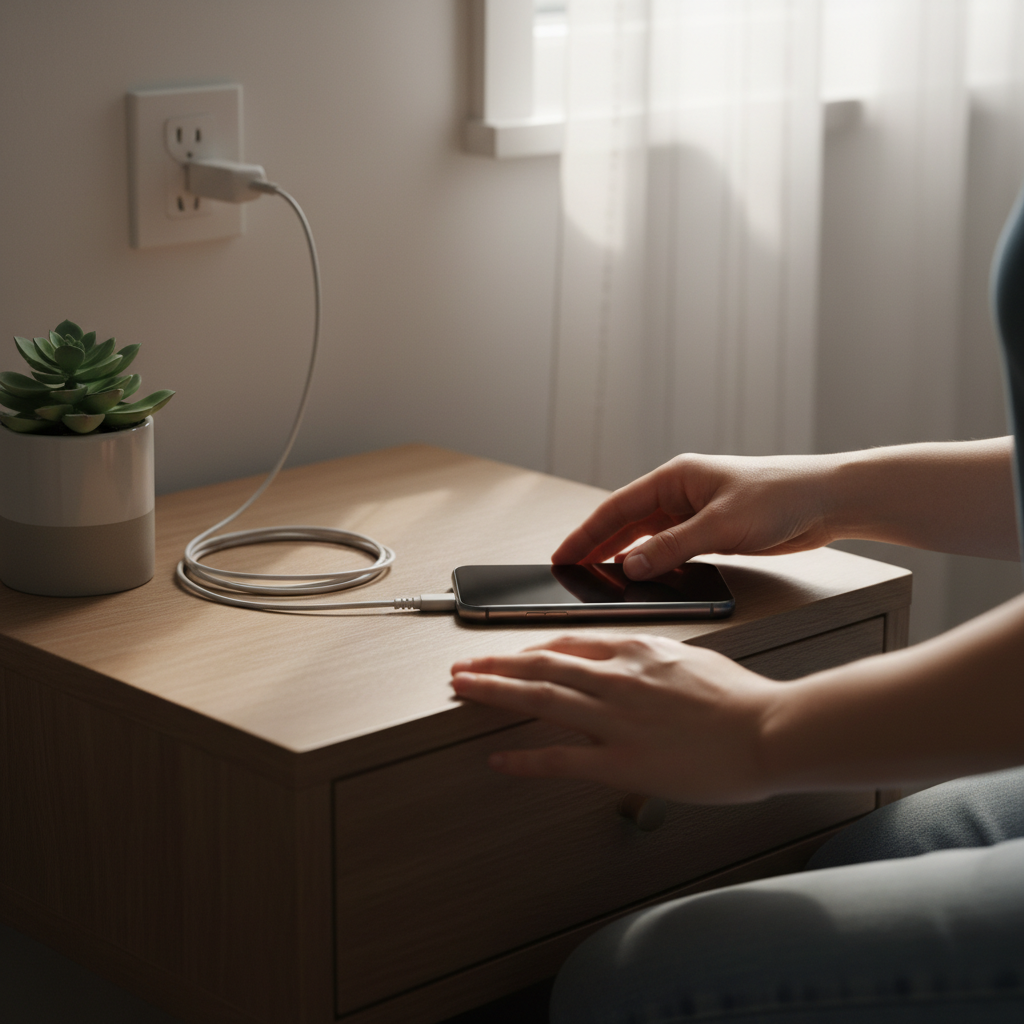
Most of us don’t give our charging habits a second thought. We plug in our phones overnight, use them while charging, and assume the battery will last as long as it lasts. But these seemingly harmless actions quietly chip away at your battery’s health, leading to shorter lifespans and frustrating mid-day power-offs. In 2026, when our smartphones are more essential than ever, these habits matter even more. From managing work emails to staying connected with loved ones, our phones are lifelines. A dead battery isn’t just an inconvenience; it can disrupt your entire day.
The Overlooked Culprit: Your Charging Routine
Think about how you usually charge your phone. Do you:
- Plug it in overnight?
- Let it drain to zero before recharging?
- Use any charger you can find?
These are common practices, but they can be detrimental to your battery’s longevity. Leaving your phone plugged in overnight can cause unnecessary strain on the battery. Constantly charging to 100% or letting it drop to 0% also puts stress on the lithium-ion battery. Using generic or cheap chargers can lead to overheating and, ultimately, damage.
How These Habits Affect Device Life
Your smartphone battery has a limited number of charge cycles. Each time you fully charge and discharge your phone, you use up one cycle. By making smart charging choices, you can extend the battery’s lifespan. Over time, poor charging habits can lead to:
- Reduced Battery Capacity: Your phone won’t hold a charge as long.
- Performance Issues: The phone may slow down or shut down unexpectedly.
- Battery Degradation: The battery will age faster, requiring more frequent charging.
These issues become more noticeable over time, making your phone less reliable and potentially forcing you to replace it sooner.
Home Safety and Battery Health
Beyond device life, your charging habits can also affect your home safety. Overheating is a major concern. Charging your phone in a hot environment or using a low-quality charger can increase the risk of overheating. This could lead to:
- Fire Hazard: Overheated batteries can ignite.
- Damage to Your Phone: Excessive heat can warp the internal components.
It’s crucial to charge your phone in a cool, well-ventilated area, away from direct sunlight or heat sources.
Saving on Electricity Bills and Daily Convenience
While the impact on your electricity bill might seem small, there are still ways to optimize and save. Constantly charging your phone overnight, even after it reaches 100%, consumes a small amount of electricity. While the amount is minimal, these small habits add up over time. Using a charger that’s not energy efficient will waste more electricity. Here’s how these habits impact daily convenience:
- Frequent Charging: Needing to charge your phone multiple times a day is a hassle.
- Limited Usage: You’ll be forced to conserve battery, limiting your phone’s functionality.
- Missed Opportunities: A dead battery can cause you to miss calls, messages, or important information.
Common Mistakes and Myths Debunked
Let’s clear up some common misconceptions about phone charging:
- Myth: “You should always let your battery drain completely before charging.”
- Truth: This is completely false for modern lithium-ion batteries.
- Myth: “Overnight charging will always damage your battery.”
- Truth: Modern smartphones have built-in safeguards, but it’s still best to avoid it when possible.
- Myth: “Fast charging always ruins battery life.”
- Truth: Modern fast chargers are designed to be safe, but use them when needed.
Smart Tips for a Smarter Phone Life
Here’s how to change your habits for a better experience:
- Charge in Short Bursts: Top up your phone more regularly with partial charges, instead of full charge cycles.
- Aim for 20-80%: Keep your battery charged between 20% and 80% to maximize its lifespan.
- Avoid Overnight Charging: Charge your phone for an hour or two before bed, or in the morning while you’re getting ready.
- Use the Right Charger: Always use the charger that came with your phone, or a high-quality, certified charger.
- Keep it Cool: Avoid charging in hot environments or direct sunlight.
- Optimize Settings: Use battery saver mode, adjust screen brightness, and disable unnecessary features.
Why These Habits Matter More in 2026
In our increasingly connected world, your phone is more than just a communication device. It’s your map, your wallet, your entertainment center, and your lifeline. In 2026, we rely on our smartphones for:
- Remote Work: Constant access to emails, video calls, and project management tools.
- Smart Home Control: Managing lights, thermostats, and security systems.
- Mobile Payments: Relying on your phone to pay for purchases.
- Staying Connected: Keeping up with friends, family, and social circles.
A dead battery can throw a wrench into any of these activities, making smart charging habits even more crucial. By extending your battery life, you’re not just saving money and time; you’re also protecting your ability to stay connected and productive.
Long-Term Benefits: Peace of Mind, Savings, and Fewer Breakdowns
By adopting these simple habits, you’ll experience a range of long-term benefits:
- Extended Battery Life: Your phone will last longer on a single charge.
- Reduced Stress: You’ll worry less about your battery dying unexpectedly.
- Cost Savings: You might delay the need to replace your phone.
- Environmental Benefits: Extending your phone’s lifespan reduces e-waste.
- Peace of Mind: Knowing your phone will be ready when you need it.
Frequently Asked Questions
Here are some frequently asked questions about smartphone battery health:
- Should I charge my phone overnight? It’s best to avoid charging your phone overnight as much as possible.
- Does using my phone while charging damage the battery? Using your phone while charging can generate heat, which can potentially impact the battery’s health.
- Is it okay to use a third-party charger? Use the original charger that came with your phone. If that isn’t possible, use a high-quality, certified charger.
- At what percentage should I charge my phone? Charge your phone when it reaches 30%, and aim to keep it between 20% and 80%.
- How often should I do a full charge cycle? You don’t need to do full charge cycles. Experts recommend doing a full zero to 100% battery recharge maybe once a month.
- How can I improve my phone’s battery life? Charge in short bursts, keep it between 20-80%, avoid overnight charging, use the correct charger, and optimize your phone’s settings.
- What are the best settings to extend my phone’s battery life? Lower screen brightness, use adaptive brightness, enable battery saver mode, disable Bluetooth, Wi-Fi or GPS when not in use, turn on optimized charging features and limit background app activity.
Taking care of your smartphone battery is not difficult. It’s about making small changes to your daily habits that can have a big impact. By understanding how your charging routine affects your device, you can take control of your phone’s health and ensure it’s ready when you need it.