
We all have those little tech routines, right? The way we charge our phones, how we organize our apps, the apps we leave running in the background. Most of us don’t give these habits a second thought. But trust me, after 20 years of navigating this tech world, I’ve seen firsthand how these tiny everyday choices can have a surprisingly big impact on your phone’s lifespan, your monthly bills, and even your overall stress levels.
The Sneaky Culprit: Overcharging Your Phone (and Why You’re Doing It)
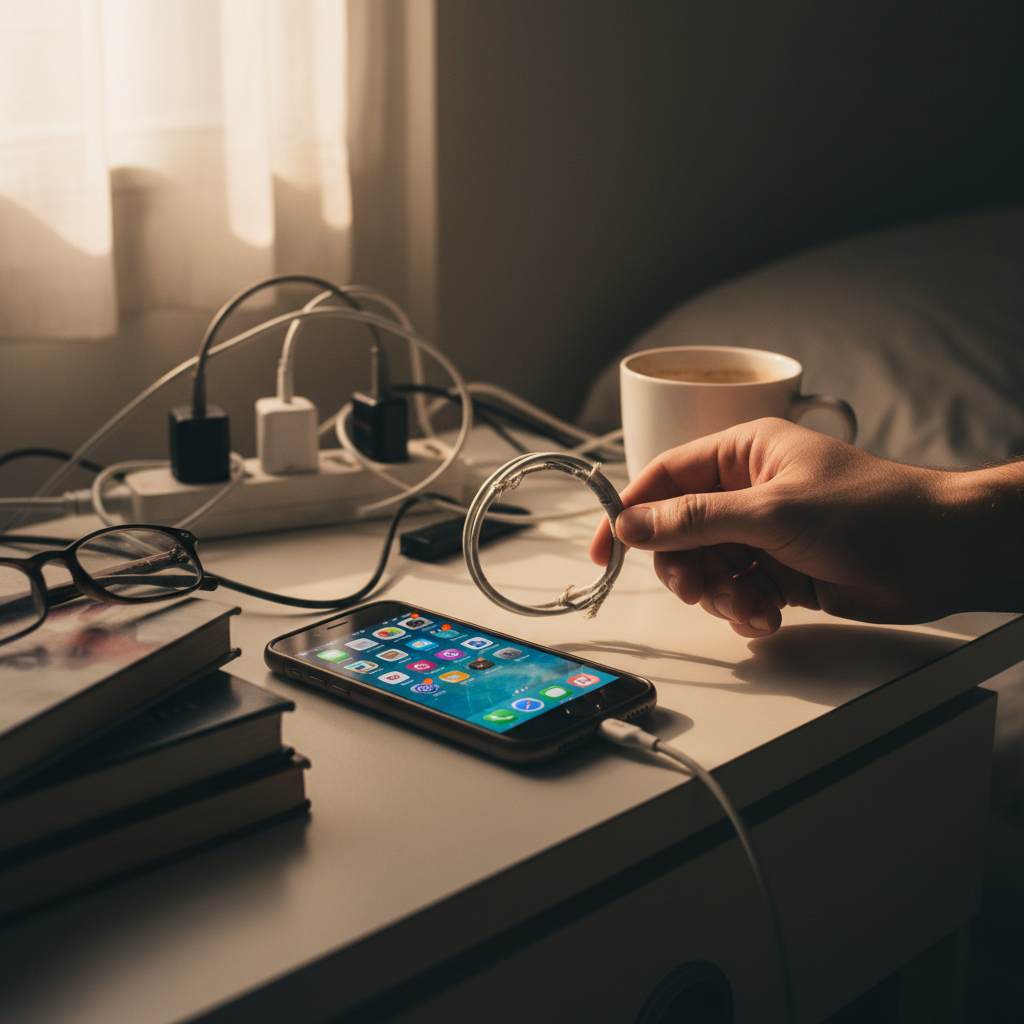
Let’s start with a classic: leaving your phone plugged in overnight. I know, it’s convenient. You wake up with a fully charged phone, ready to tackle the day. But here’s the thing – most modern smartphones, tablets, and even laptops use lithium-ion batteries. These batteries are smart; they stop charging when they reach 100%. The problem is, they then trickle charge to maintain that 100% level.
This “trickle charging” puts your battery under constant stress. Over time, it can degrade the battery’s capacity, meaning your phone won’t hold a charge as long as it used to. You’ll find yourself reaching for the charger more often, and eventually, the battery will need replacing. And honestly, who wants to deal with that hassle? It’s like a slow leak in your tire – you don’t notice it at first, but eventually, you’re stranded.
Why do we do it? Pure convenience. It’s easier to plug it in and forget about it. We’re busy, we’re tired, and we just want to know our phone will be ready when we need it. But this small habit can start creating problems before you know it. It also doesn’t help that many people think that leaving their phone on the charger overnight will damage it. This is a common myth that needs busting. Modern phones are designed to prevent overcharging. However, the trickle charging is what you want to avoid.
Beyond the Battery: The Ripple Effect of Bad Charging Habits
The impact of your charging habits goes way beyond just your phone’s battery. Consider these points:
- Heat is the enemy: Overcharging, especially with cheap chargers, can generate extra heat. Heat is a major battery killer. It speeds up the degradation process, so you’re looking at a shorter lifespan.
- The “always-on” lifestyle: Constantly charging also means your phone is always connected to the power grid, even when it’s technically “full.” This contributes to your overall energy consumption, even if it’s a small amount.
- The mindset of carelessness: When we don’t think about these small habits, we often extend that lack of attention to other areas. It’s easy to get complacent about device care, which can lead to bigger, more expensive problems down the line.
Easy Wins: Simple Tweaks for a Healthier Phone
The good news is, fixing this is easy. Here are some simple, practical tips I’ve learned over the years:
- Charge in bursts: Instead of overnight, charge your phone when you need to, such as while you’re getting ready in the morning, working at your desk, or during your commute.
- Unplug when full: Once the phone hits 100%, unplug it. Don’t leave it plugged in for hours.
- Use the right charger: Always use the charger that came with your phone, or a high-quality replacement from a reputable brand. Cheap chargers can deliver inconsistent power and generate more heat.
- Avoid extreme temperatures: Don’t leave your phone charging in direct sunlight or in a hot car. Heat is your enemy.
- Consider “fast charging” settings: Many phones have settings to control charging speed. If you are not in a hurry, consider using the slower charging settings, which generate less heat.
I know what you’re thinking: “It’s just a phone.” But trust me, taking these small steps makes a difference. It’s like changing the oil in your car – you might not notice it right away, but it prevents bigger problems in the long run.
The Broader Impact: Tech Habits and Your Lifestyle
Our tech habits aren’t just about our devices; they shape our overall lifestyle. Here’s how:
- Saving money: Extending your phone’s lifespan saves you money on replacements and repairs.
- Reducing stress: A phone that holds its charge gives you one less thing to worry about. No more scrambling for a charger during your busy day.
- Building awareness: Being mindful of your tech habits trains you to be more aware of other areas of your life, from energy consumption to time management.
Beyond Charging: Other Tech Habits That Matter
Charging isn’t the only thing that matters. Let’s touch on a couple of other key habits:
App Management: The Silent Performance Killer
How many apps do you have open at any given moment? More than you realize, I bet. Each app running in the background consumes battery and processing power. It’s like having a bunch of people talking at once in a small room – things get noisy and confusing. Close the apps you aren’t actively using. It will speed up your phone and save battery life.
Software Updates: Your Device’s Best Friend
I know, updates can be annoying. They take time, and sometimes they change things around. But updates are essential for your phone’s health. They include security patches, bug fixes, and performance improvements. Ignoring updates is like refusing to get your car serviced. It might seem fine for a while, but eventually, you’ll pay the price.
Why These Habits Matter More in 2026
In 2026, our lives are more intertwined with technology than ever before. We rely on our smartphones for everything – communication, work, entertainment, and navigation. We’re also more connected than ever, which means more potential security risks. Here’s why these habits are extra important right now:
- Increased dependence: Our phones are our lifelines. A dead battery or a malfunctioning device can disrupt your entire day.
- Sophisticated threats: Cyber threats are becoming more sophisticated. Keeping your software up-to-date is a key defense.
- Environmental impact: Being mindful of energy consumption is more critical than ever. Small changes, like better charging habits, contribute to a more sustainable lifestyle.
Busting Myths and Shortcuts: What You Need to Know
The internet is full of “helpful” advice, but some of it is simply wrong or misleading. Let’s bust a few common myths:
- Myth: “Use a third-party battery app to optimize your battery.”
- Reality: Most of these apps are useless and can even drain your battery more. The best battery management is the built-in system of your phone.
- Myth: “Charge your phone to 100% every time.”
- Reality: Modern lithium-ion batteries perform best when kept between 20% and 80%.
- Myth: “Leaving your phone plugged in overnight doesn’t hurt anything.”
- Reality: As we discussed earlier, trickle charging, while not immediately damaging, does contribute to battery degradation over time.
I would also like to say that, in the event your phone stops working, you may need a new one. But the tips in this guide can help keep your phone working for longer. This will help you save money in the long run.
The Long-Term Rewards: Peace of Mind and Practical Savings
Adopting these simple tech habits pays off in the long run. Here’s what you can expect:
- A longer-lasting phone: You’ll get more years out of your device, saving you the cost of replacements.
- Fewer unexpected issues: Your phone will be more reliable, avoiding those frustrating moments when your phone dies at the worst possible time.
- A smoother, less stressful life: You’ll spend less time worrying about your phone and more time enjoying life.
- Reduced energy bills: By being mindful of energy consumption, you contribute to a more sustainable lifestyle.
Frequently Asked Questions
Here are some of the most common questions I get asked about these topics:
- Does leaving my phone plugged in overnight really damage the battery?
Not immediately. However, the continuous trickle charging does put stress on the battery over time, leading to reduced lifespan. Think of it like a slow drain on your energy reserves.
- Is it okay to use a fast charger all the time?
Fast chargers are fine to use, especially when you need a quick top-up. However, they can generate more heat. It’s best to use them when you need them and to consider using standard charging sometimes to minimize heat exposure.
- How often should I restart my phone?
Restarting your phone once a week is a good habit. It clears the cache, closes background apps, and can improve overall performance. It’s like giving your phone a little refresh.
- Should I close all my apps to save battery?
Closing apps you’re not actively using is a good idea. However, frequently closing and reopening apps can sometimes use more power than leaving them open. Find a balance that works for you.
- What’s the best way to charge my phone for optimal battery health?
The sweet spot is keeping your battery between 20% and 80%. Avoid letting it drain completely or charging it to 100% all the time. Charge it in short bursts throughout the day.
- Are battery-saving apps worth it?
Most battery-saving apps are not worth it. The built-in battery management tools on your phone are usually more effective and safer. Some third-party apps may even drain your battery more.
- Does using a different charger damage my phone?
Using a charger that is not designed for your phone can potentially damage it. Using the wrong voltage or a charger that doesn’t deliver a stable current can cause problems. It’s always best to stick with your original charger or a high-quality replacement from a reputable brand.
Look, I’ve been in the tech world a long time. These simple habits might seem small, but they make a difference. They’re about taking control, making smart choices, and ultimately, making your life a little easier, one charge at a time. The is a great place to learn more about saving energy and tech habits that can help you with daily life. So, give these tips a try, and see for yourself. You might be surprised at the difference it makes.