
Most of us treat our refrigerators like…well, just another appliance. We shove food in, pull it out, and maybe give the shelves a quick wipe-down when things get messy. We assume it’s just *there*, silently doing its job. But what if I told you that this everyday indifference is quietly costing you? Not just in spoiled food, but also in higher electricity bills, potential home safety issues, and even the premature demise of your trusty fridge.
The Silent Drain: How Your Fridge Habits Add Up
Think about your daily fridge rituals. How often do you open the door? Do you quickly grab what you need, or do you stand there, staring blankly, letting the cold air escape? Are your leftovers properly stored, or are they just tossed in a container with a half-hearted lid? These seemingly small actions have a cumulative effect.
The Energy Hog in Your Kitchen
Your refrigerator is one of the biggest energy consumers in your home, working 24/7 to keep things cool. Every time you open the door, warm air rushes in, forcing the fridge to work harder to maintain its temperature. This translates directly into higher electricity bills. Leaving the door ajar, even for a few minutes, can significantly increase energy consumption.
The Food Wastage Cycle
Poor storage habits are a recipe for spoilage. Uncovered food dries out, absorbs odors, and goes bad faster. Overcrowding your fridge also restricts airflow, leading to uneven cooling and potentially, more food waste. And let’s be honest, the further back in the fridge something is, the more likely it is to be forgotten until it’s a science experiment.
Safety First: Preventing Potential Problems
Food safety is paramount. A fridge that isn’t running efficiently can lead to bacteria growth and potential food poisoning. Furthermore, a neglected fridge can develop leaks, mold, and other issues that can pose a health hazard.
Common Mistakes and How to Avoid Them
We all make them. Here’s a breakdown of the common refrigerator pitfalls and how to steer clear:
The Temperature Temptation
Many people set their fridge temperature too low, thinking colder is better. Wrong! This can lead to your fridge working overtime and freezing food. The ideal temperature is between 37-40°F (3-5°C).
The Door Dilemma
Leaving the door open while you decide what you want is a major energy waster. It’s a habit, and a bad one. Plan ahead! Take a quick inventory before you open the door, and grab everything at once.
The “Stuff It In” Syndrome
Cramming your fridge full is a recipe for disaster. It blocks air vents, leading to uneven cooling and potential food spoilage. Aim for about three-quarters full to allow for proper airflow.
The “Set it and Forget it” Mentality
Ignoring the basics is a recipe for a shorter fridge lifespan. Failing to clean coils, check door seals, and properly organize your food all contribute to bigger problems down the line.
Smart Fridge Habits for a Smoother Life
Implementing a few simple changes can make a world of difference:
The Quick Clean Routine
Make it a habit to wipe up spills immediately and give the shelves a quick clean every week. Deep clean your fridge every few months. Use a mixture of baking soda and water to clean the inside walls without using harsh chemicals.
Condenser Coil Care
The condenser coils, usually on the back or bottom of the fridge, release heat. Dust and debris restrict this process, making the fridge work harder. Vacuum or brush them every six months.
The Seal Check
Check the door seals regularly. A cracked or worn seal lets cold air escape, increasing energy consumption.
Organized for Efficiency
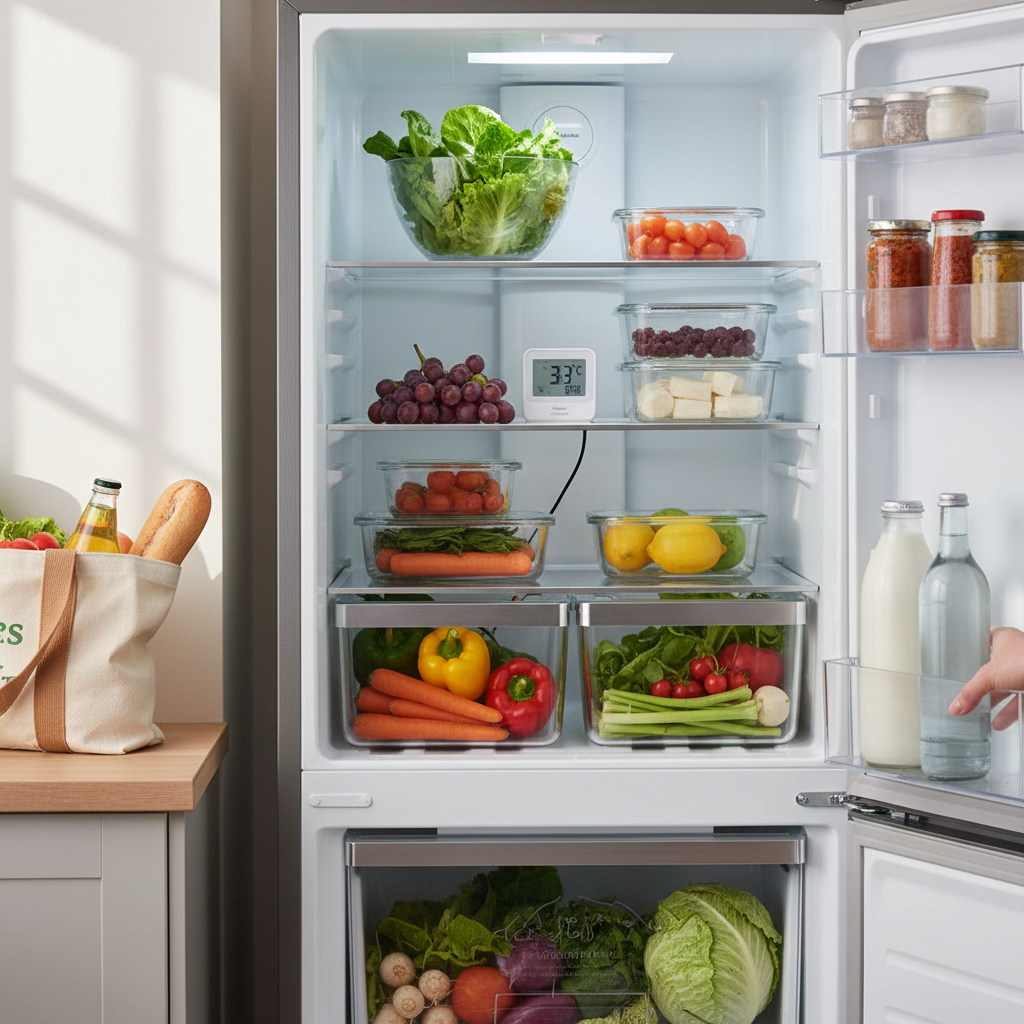
Use clear containers and label everything. Group similar items together and store leftovers in airtight containers. This saves space, prevents spills, and makes it easier to find what you need.
Smart Temperatures
Invest in a fridge thermometer to ensure the temperature stays within the recommended range. The freezer should be around 0°F (-18°C).
The “Cool Down” Rule
Always let hot food cool down before putting it in the fridge. This prevents raising the internal temperature and forcing the fridge to work harder.
The Long-Term Rewards: Peace of Mind and Savings
Making these small adjustments in your daily life offers significant benefits:
Lower Electricity Bills
A more efficient fridge translates directly into savings. You’ll see the difference on your monthly energy bill.
Extended Appliance Life
Proper maintenance prevents wear and tear, extending the lifespan of your refrigerator. The average refrigerator lasts around 12 years, but with good care, it can last up to 20 years.
Reduced Food Waste
Better storage habits mean less spoiled food and more money saved.
Enhanced Food Safety
A well-maintained fridge provides a safer environment for your food, protecting your family’s health.
Peace of Mind
Knowing you’re taking care of your appliances and your food creates a sense of calm and control in your busy life. Plus, you’re less likely to be hit with a sudden, expensive repair bill. Speaking of which, did you know that the average cost to repair a refrigerator can range from $200-$1000, depending on the issue?
The Takeaway: Small Changes, Big Impact
Taking care of your fridge isn’t about complicated maintenance schedules or expensive upgrades. It’s about being mindful of your daily habits. By making these small changes, you’re not just preserving food; you’re preserving your money, your time, and your peace of mind.
While you’re at it, have you checked out our other tips for simplifying your home life and saving energy? And if your washing machine is acting up, check out our guide: My Washing Machine Isn’t Draining! A Real-Life Guide to Clearing the Clogs.
Frequently Asked Questions
**Q: How often should I clean my refrigerator?**
A: Wipe up spills immediately and give the interior a quick clean weekly. Do a more thorough deep clean every few months.
**Q: What’s the best way to clean my fridge?**
A: Remove all food and shelves. Use a mild detergent and warm water to wipe down the interior. For tougher stains, try a mixture of baking soda and water or white vinegar and water.
**Q: How long does a refrigerator last?**
A: On average, a refrigerator lasts around 12 years, but with proper care and maintenance, it can last much longer, even up to 20 years.
**Q: How can I make my refrigerator more energy efficient?**
A: Keep the door closed, maintain the correct temperature, clean the condenser coils regularly, and avoid overloading the fridge.
**Q: What are the signs that my refrigerator is failing?**
A: Look out for rising energy bills, food spoiling quickly, excessive noise, water leaks, or the refrigerator not cooling properly.
**Q: Should I repair or replace my refrigerator?**
A: If the repair cost exceeds half the price of a new fridge or if the fridge is over 10 years old, it’s often more cost-effective to replace it.
**Q: What’s the ideal temperature for my refrigerator?**
A: The ideal temperature for your refrigerator is between 37-40°F (3-5°C) and 0°F (-18°C) for the freezer.
**Q: How much does it cost to repair a refrigerator?**
A: The cost can range from $200 to $1,000, with an average cost of $350. The cost depends on the problem.