
We all do it, right? Load the dishwasher, hit start, and then…forget about it. The dishes get clean, life moves on. But what if I told you that the simple act of how you load and use your dishwasher could be slowly, silently, shortening its lifespan and costing you money in the long run?
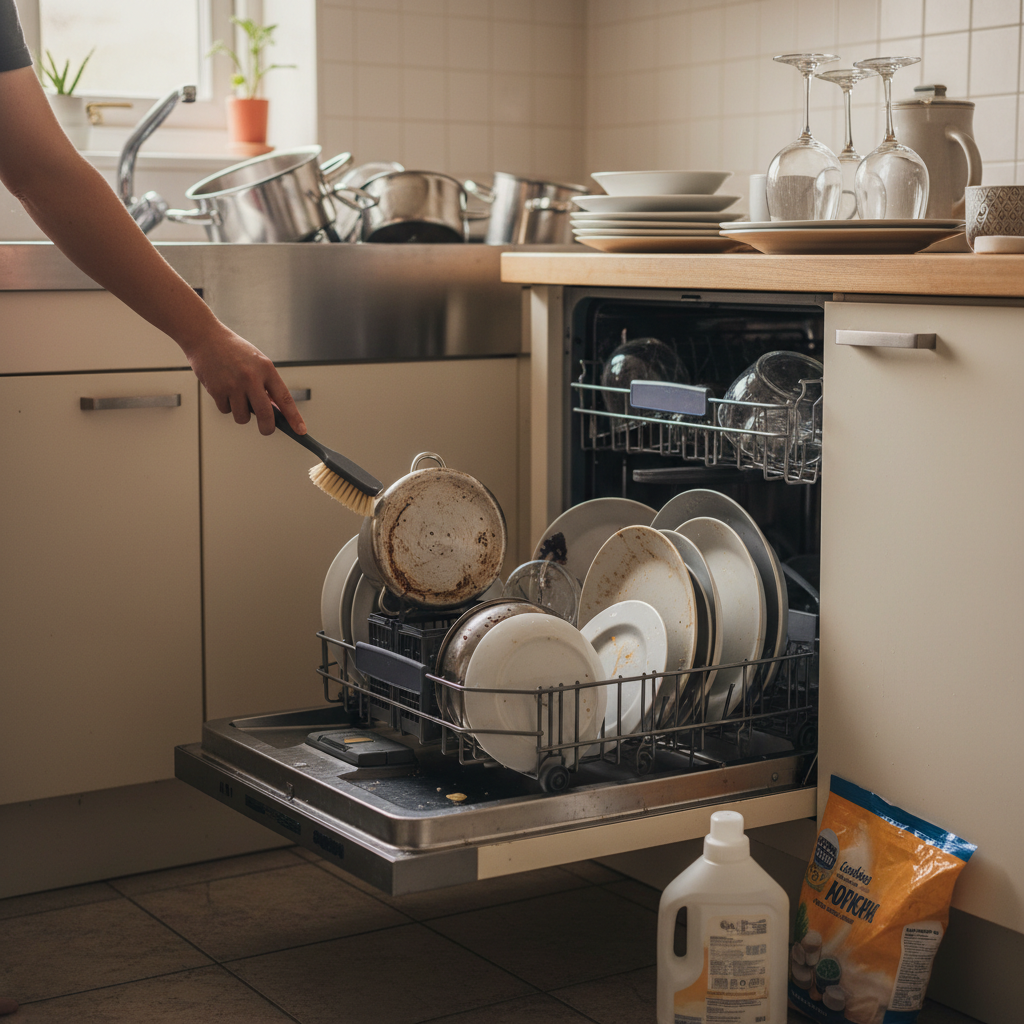
Most of us don’t give our dishwashers a second thought, beyond occasionally refilling the soap and rinsing off the worst of the food. But as someone who’s learned the hard way (and replaced a dishwasher or two!), I can tell you that a few small, often-overlooked habits can make a huge difference.
The Overlooked Daily Grind: Dishwasher Loading Mistakes
Let’s be honest, we’re all guilty of this one. You’re in a hurry, you’ve got a mountain of dishes, and you just want to cram everything in and get it over with. But here’s where the trouble starts.
Overloading: This is a classic. Trying to fit in just one more plate, one more pot, can block the spray arms. This means some dishes don’t get properly cleaned, forcing you to rewash them (wasting water and electricity!). More importantly, it can put extra strain on the dishwasher’s motor and heating element, leading to premature wear and tear.
Incorrectly loading: Are you placing plates facing the wrong way? Blocking the spray arms? This can lead to uneven cleaning and food particles remaining on dishes. Always make sure that dishes are angled correctly and not blocking the water jets.
Forgetting the basics: Are you pre-rinsing your dishes? While modern dishwashers are powerful, they still struggle with large food particles. These can clog the filter, leading to reduced cleaning performance and even damage to the pump. A quick scrape or rinse is all it takes to keep your machine happy.
How These Small Habits Quietly Cause Bigger Problems
So, what’s the big deal if you overload the dishwasher a few times, or skip a pre-rinse here and there? Well, the consequences can creep up on you:
- Reduced cleaning performance: Dishes don’t get properly cleaned, and you end up running the dishwasher more often, using more water, soap, and electricity.
- Increased energy bills: A struggling dishwasher has to work harder, consuming more energy in the process.
- Shortened lifespan: Overworking the motor, heating element, and pump can lead to premature breakdowns.
- Home safety risks: Clogged filters and backed-up water can lead to leaks, which can damage your floors and create a breeding ground for mold and mildew.
It’s not about being perfect, it’s about being mindful. These small habits may not seem like a big deal, but they add up over time.
Common Dishwashing Mistakes & Myths Debunked
Let’s clear up some common misconceptions and “shortcut tips” that might be doing more harm than good:
- Myth: “Pre-rinsing is a waste of water.” While it’s true that some dishwashers have sensors that detect how dirty the dishes are, a quick rinse is still essential. It prevents large food particles from clogging the filter and keeps the machine running efficiently. A quick rinse under the tap uses far less water than a full dishwasher cycle.
- Myth: “Using too much detergent makes dishes cleaner.” Using too much detergent can leave residue on your dishes, leading to spots and streaks. It can also cause excessive suds, which can interfere with the dishwasher’s cleaning process. Always follow the detergent instructions.
- Myth: “You can put anything in the dishwasher.” Not everything is dishwasher-safe. Delicate items like fine china, crystal, and wooden utensils can be damaged. Always check the manufacturer’s instructions for your dishes.
- Myth: “Hotter water cleans better.” While hot water is necessary for sanitizing, extremely hot water can damage some plastics and cause glassware to crack. Most dishwashers have a pre-set water temperature that is optimal for cleaning.
Practical Tips for a Happy Dishwasher and a Happier You
Here’s how to make your dishwasher a long-lasting, efficient workhorse:
- Load smart: Follow the manufacturer’s instructions for loading. Place plates facing the spray arms, and ensure that nothing is blocking the water jets. Don’t overcrowd the racks.
- Pre-rinse (briefly): Scrape off food particles and give dishes a quick rinse. This is especially important for items with dried-on food.
- Use the right detergent and amount: Follow the instructions on your detergent packaging. Using too much or too little can impact cleaning performance.
- Clean the filter regularly: Most dishwashers have a removable filter that needs to be cleaned regularly to prevent clogs and ensure proper drainage.
- Run the dishwasher only when it’s full: This maximizes efficiency and saves water and energy.
- Check water temperature: Make sure your water heater is set to the correct temperature. Water that is too hot can damage dishes and appliances.
- Consider a dishwasher cleaner: Run a dishwasher cleaner through the machine periodically to remove mineral deposits and buildup.
These tips are even more crucial in today’s world. With rising energy costs and a greater focus on sustainability, making the most of your appliances is essential. Plus, a well-maintained dishwasher saves you time and stress, freeing you up for more enjoyable activities.
Dishwashers in the 2026 Tech-Heavy Lifestyle
In our increasingly connected homes, a reliable dishwasher is more than just a convenience. It’s an integral part of a smooth-running household. As we rely more on technology, the following points have become more relevant:
- Smart Home Integration: Many newer dishwashers offer smart features, such as Wi-Fi connectivity and remote control. Ensuring your dishwasher is working properly keeps your smart home experience seamless.
- Water and Energy Efficiency: With water and energy resources becoming increasingly precious, efficient dishwashers are more valuable than ever. Using your dishwasher correctly helps you conserve resources and reduce your environmental footprint.
- Time-Saving: In a fast-paced world, time is a valuable commodity. A well-functioning dishwasher reduces the time spent on chores, allowing you to focus on other priorities.
Long-Term Benefits: Peace of Mind, Savings, and Fewer Breakdowns
By adopting these simple habits, you’re not just improving your dishwashing routine; you’re investing in your home and your peace of mind. Here’s what you stand to gain:
- Lower energy bills: A more efficient dishwasher uses less energy, saving you money over time.
- Reduced repair costs: Proper care extends the lifespan of your dishwasher, reducing the likelihood of costly repairs.
- Fewer headaches: A well-maintained dishwasher means fewer dishes to rewash, fewer clogs, and fewer surprises.
- A cleaner, safer home: Regular cleaning and maintenance prevent leaks and mold growth, protecting your home and your family.
It’s about creating a sustainable, efficient, and enjoyable living space. It’s about taking small steps that lead to big rewards.
Frequently Asked Questions
Here are some of the most common questions people have about dishwashers, with practical answers:
Q: How often should I clean my dishwasher filter?
A: Ideally, clean your filter every month or two, or more often if you notice a buildup of food particles or if your dishes aren’t getting clean.
Q: My dishes are still dirty after running the dishwasher. What’s going on?
A: Check the loading, make sure the spray arms are not blocked, and ensure your filter is clean. Also, make sure you’re using the right amount of detergent.
Q: Is it okay to use regular dish soap in the dishwasher?
A: No! Dish soap creates too many suds, which can overflow and damage the dishwasher. Always use dishwasher detergent.
Q: How do I know if my dishwasher is using too much water?
A: Most dishwashers are designed to be water-efficient. However, if you notice standing water after a cycle, or your dishes are not getting clean, then you might need to adjust your loading habits or check the spray arms.
Q: Should I pre-rinse my dishes before loading them in the dishwasher?
A: Yes! A quick pre-rinse helps remove large food particles, which can clog the filter and reduce cleaning performance. You don’t need to scrub, just rinse.
Q: What’s the best way to prevent hard water spots on my dishes?
A: Use a rinse aid. Rinse aids help water sheet off the dishes, preventing spots and streaks. You can also have a water softener installed in your home. Be sure to also check your dishwasher’s water hardness setting and adjust if needed.
Q: How can I tell if my dishwasher is starting to fail?
A: If you notice that your dishes aren’t getting as clean as before, or your dishwasher is making strange noises, it may be a sign of a problem. If the door seal is leaking, the pump is making loud noises, or there is standing water in the bottom of the unit, you should have it checked out by a professional.
By taking a few minutes to adjust your dishwashing habits, you can extend the life of your appliance, save money, and make your daily life a little easier. It’s a small change that can make a big difference, and it’s a smart move for your home and your wallet.
For more home and tech tips, check out our homepage here.