
Think about your bedtime routine. You probably grab your phone, scroll through a bit, maybe charge it, and then set it down. You turn off the lights, settle in, and drift off. But what if I told you that simple habit of just “being asleep” could be costing you money and contributing to energy waste without you even realizing it? Most people don’t give a second thought to the electronics left on while they sleep, but this small oversight is a classic example of how daily habits can quietly lead to bigger problems.
The Invisible Cost of “Always On”
Our homes are filled with devices that are constantly drawing power, even when they seem to be off. This “phantom load” is a real issue, and it’s something many of us are completely unaware of. It’s the reason why your electricity bill might be a little higher than you expect, even when you’re diligently turning off lights. From your TV to your phone charger, many of these devices are designed to stay in standby mode, ready to be used at a moment’s notice. But this convenience comes at a cost.
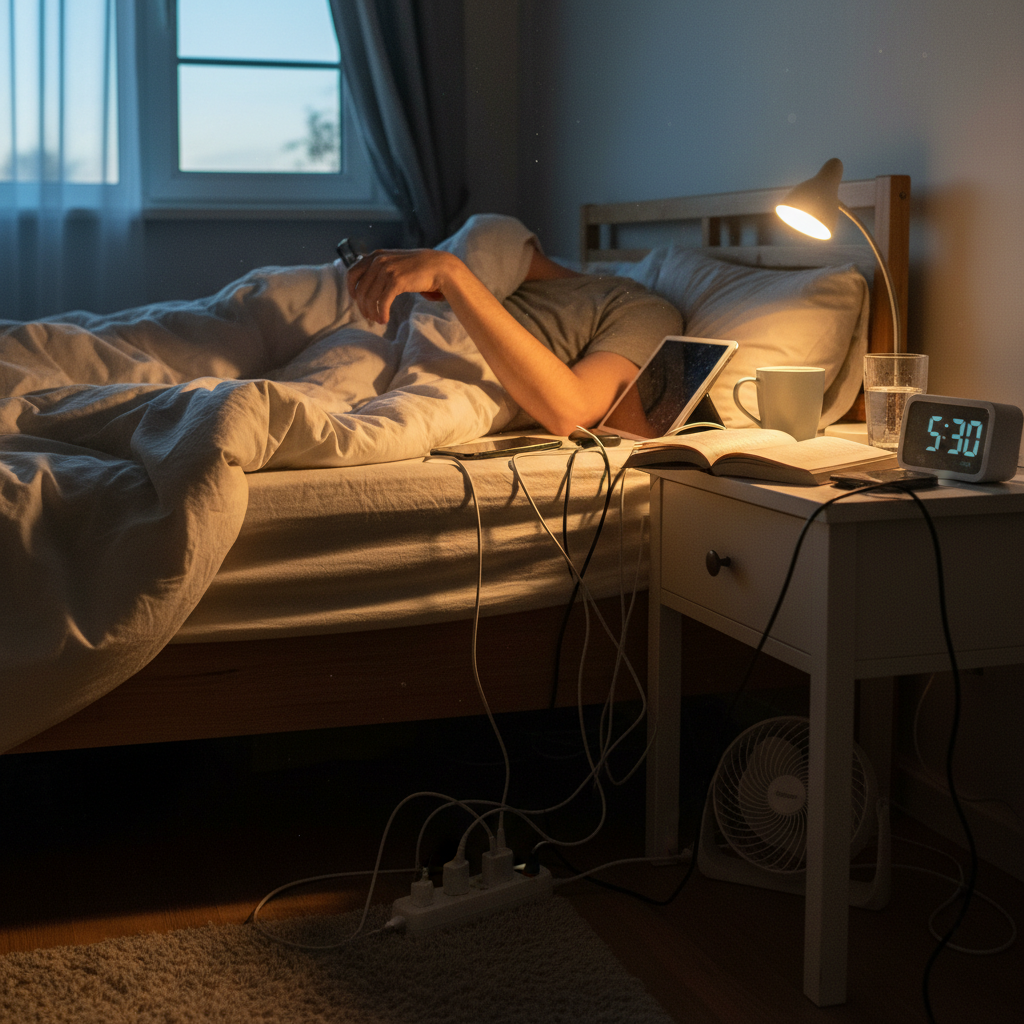
Consider your bedroom. Your phone is probably plugged in, maybe a bedside lamp is on, and perhaps you have a smart speaker or a digital clock. Each of these items pulls a small amount of electricity while you’re sleeping. Multiply that by every night, and then by the number of devices you have plugged in throughout your house, and you start to see the problem. It’s a silent, invisible drain on your wallet and a small but persistent drain on the environment.
How Your Sleep Habits Affect Device Life
Beyond the cost of electricity, your sleep habits can also impact the lifespan of your devices, especially your phone. Leaving your phone charging overnight is a common practice, but it’s not always the best thing for your battery. Modern smartphones use lithium-ion batteries, which are designed to handle charging cycles. However, constantly topping off the battery to 100% and keeping it there can stress the battery over time. This can potentially lead to reduced battery life and the need for earlier replacements.
Common Mistakes and Myths
Let’s bust a few myths and clear up some common misconceptions about energy usage and device care:
- Myth: Unplugging chargers is a waste of time because they use very little power.
- Myth: Modern devices stop drawing power when they reach 100%.
- Myth: Turning off a device with the power button means it’s not using any energy.
Reality: While each charger might use a small amount of power, they add up. Unplugging them when not in use is a simple way to save a bit on your bill.
Reality: While many devices do regulate the flow of electricity once fully charged, they still draw a small amount of power to maintain that charge. This is another reason to avoid leaving them plugged in longer than necessary.
Reality: Many devices have a standby mode that consumes energy. Look for a physical power switch or unplug the device to be sure.
Practical Tips for a Smarter Sleep Routine
Changing your habits doesn’t have to be a major overhaul. Here are some easy steps to make your sleep routine more energy-efficient and device-friendly:
- Unplug Chargers: Make it a habit to unplug your phone charger, laptop charger, and other device chargers before going to bed. If it’s not charging a device, it doesn’t need to be plugged in.
- Use a Smart Power Strip: Consider using a smart power strip that can cut off power to devices when they’re not in use. Some smart strips can even be controlled via an app, allowing you to schedule when devices receive power.
- Charge Your Phone Wisely: Avoid leaving your phone plugged in overnight. Charge it when you need it, and consider using a charging timer or unplugging it once it reaches full capacity.
- Switch Off Lights: Ensure all lights are off before you go to sleep. Consider switching to LED bulbs, which use significantly less energy.
- Assess Your Bedroom Setup: Take a look around your bedroom. What devices are plugged in? Do you really need all of them to be? Identify energy-guzzling appliances and unplug them if they aren’t used overnight.
Why This Matters in 2026
In our increasingly tech-dependent world, the impact of these small habits is more significant than ever. With more smart devices, connected appliances, and gadgets in our homes, the “phantom load” is growing. These simple steps don’t just save you money; they also reduce your carbon footprint, contributing to a more sustainable lifestyle. Plus, by taking care of your devices, you’re extending their lifespan, which saves you money in the long run.
Long-Term Benefits: Peace of Mind and Savings
The benefits of these simple changes extend far beyond immediate savings. By being mindful of your energy consumption, you’ll gain a greater sense of control over your home environment and your budget. You’ll worry less about unexpected spikes in your electricity bill and have the satisfaction of knowing you’re doing your part for the environment. These are habits that create peace of mind, make your home a little safer, and help your devices last longer.
Once you change these habits, everything feels easier. You’ll find yourself more aware of energy consumption throughout your home. You will be thinking about how you can save energy, and it won’t seem like such a chore.
FAQ: Your Questions Answered
Let’s address some common questions about energy usage and sleep habits:
Q: Does unplugging devices really save a significant amount of money?
A: Over time, yes. While the amount of energy consumed by a single device in standby mode may seem small, the cumulative effect of multiple devices and appliances adds up. Unplugging chargers and devices not in use can save you money on your electricity bill.
Q: Will these habits prevent device damage?
A: Yes, in some cases. Leaving devices charging overnight can potentially stress their batteries over time. Unplugging them when fully charged and avoiding extreme temperatures can help extend their lifespan.
Q: Is it safe to leave my phone charging overnight?
A: While modern smartphones have safety features, it’s still best to avoid leaving them plugged in overnight. This helps to reduce the stress on the battery and minimize the risk of any potential issues.
Q: How do I know which devices are using the most energy in standby mode?
A: You can use a “kill-a-watt” meter to measure the energy consumption of individual devices. Alternatively, you can search online for the typical standby power consumption of your devices.
Q: Are smart plugs worth the investment?
A: Smart plugs can be a very helpful investment, especially if you have several devices that you want to control. They allow you to easily turn off devices remotely, set schedules, and monitor energy usage. However, make sure that you do your research, since they can vary greatly in quality and features.
Q: Will these changes make a difference in my environmental impact?
A: Yes, even small changes can contribute to a larger impact. Reducing your energy consumption helps to conserve resources and reduce your carbon footprint. It also helps with the efficiency of the power grid, overall.
Q: What about appliances that are always on, like refrigerators?
A: Refrigerators and freezers are designed to be on 24/7. However, you can still improve their efficiency by keeping them at the correct temperature, avoiding overpacking them, and ensuring that the door seals properly.
Q: Is there any risk of fire from leaving devices plugged in?
A: While the risk is low with modern devices, it’s still a good idea to unplug chargers and appliances when not in use. This reduces the risk of any potential electrical issues.
In conclusion, taking a closer look at your sleep habits and how they affect energy consumption can lead to real savings and peace of mind. By making a few small changes, you can create a more efficient and sustainable home environment while extending the life of your devices.