
Picture this: You wake up on a chilly morning, the world outside still waking up, and the promise of a hot shower is the only thing getting you out of bed. You step into the bathroom, turn the faucet, and—magic!—scalding water cascades over you. But have you ever stopped to think about the unsung hero that makes this daily miracle possible? It’s your water heater, a device so common we often take it for granted.
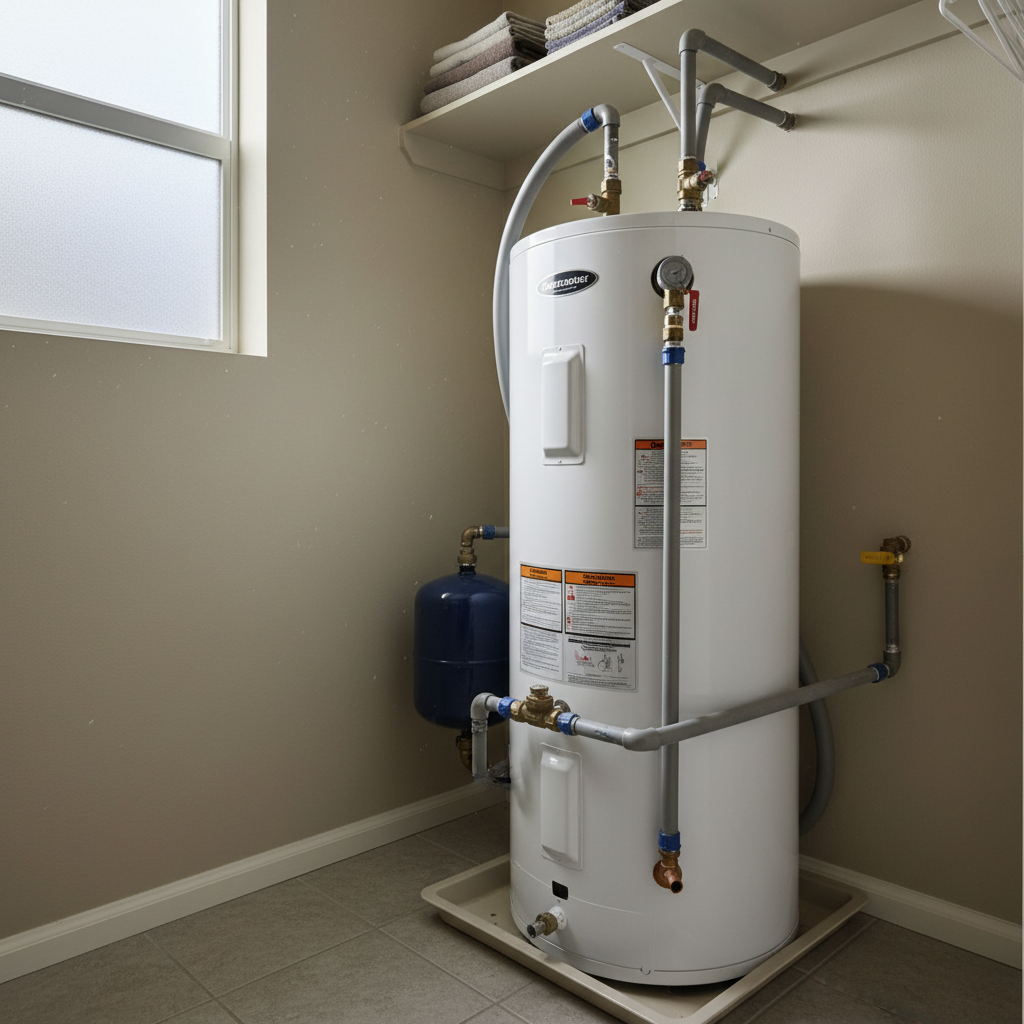
Today, we’re going to dive deep into how this workhorse of your home operates, breaking down its inner workings in a way that’s easy to understand. We’ll skip the jargon and the technical mumbo-jumbo, and instead, focus on the fundamental principles that make it all happen. You’ll be surprised at how straightforward it really is.
The Basic Principle: Heat Transfer – It’s All About Energy
At a basic level, this works because your water heater is designed to do one simple thing: transfer heat. Think of it like a giant tea kettle, but instead of the flame being directly under the pot, the heat source is cleverly hidden. The goal? To take cold water and make it hot. This is achieved through a process called heat transfer, where energy moves from a hotter object (the heating element or the flame) to a cooler one (the water).
This principle of heat transfer is fundamental to understanding how a water heater works. Whether it’s a traditional tank-style heater, a modern tankless model, or even a hybrid, the core concept remains the same: use energy to raise the temperature of the water.
The Anatomy of a Traditional Tank Water Heater
Let’s start with the most common type: the tank-style water heater. These are the workhorses you’ll find in many homes. Knowing the parts helps you understand the whole system.
- The Tank: This is the heart of the operation. It’s a large, insulated container that holds the water. Typically made of steel, the tank is lined with a protective coating to prevent rust and corrosion.
- The Heating Element (or Burner): In electric water heaters, this is an electrical resistance element, much like the coils in your toaster. For gas-powered heaters, it’s a gas burner. This is the part that generates the heat.
- The Thermostat: This is the brain. It monitors the water temperature and turns the heating element (or burner) on and off to maintain a consistent temperature.
- The Dip Tube: This is a long tube that brings cold water to the bottom of the tank, where it’s heated.
- The Hot Water Outlet: This is where the heated water exits the tank to flow to your faucets and appliances.
- The Anode Rod: This is a sacrificial rod, usually made of magnesium or aluminum, that corrodes instead of the tank itself. It extends the life of the tank by attracting corrosive elements in the water.
- The Relief Valve: A safety valve that releases pressure if the water gets too hot or the pressure becomes too high.
- Insulation: The tank is surrounded by insulation to keep the heat from escaping, improving energy efficiency.
Once you understand these basic components, the rest of the process becomes much more clear.
How a Tank Water Heater Does Its Job: A Step-by-Step Guide
Let’s walk through the heating process:
- Cold Water Enters: Cold water enters the tank through the dip tube and settles at the bottom.
- Heating Begins: The thermostat senses that the water temperature is below the set point, signaling the heating element (or burner) to turn on.
- Water Heats: The heating element (or burner) heats the water, which rises due to convection. Hot water is lighter and rises naturally.
- Temperature Maintained: The thermostat monitors the water temperature, turning the heating element (or burner) off once the set temperature is reached.
- Hot Water Used: When you turn on a hot water tap, hot water is drawn from the top of the tank, and cold water enters the tank to replace it, restarting the cycle.
This continuous cycle ensures that you always have hot water available.
Tankless Water Heaters: The On-Demand Approach
Now, let’s talk about tankless water heaters, sometimes called on-demand water heaters. These are becoming increasingly popular because of their efficiency and space-saving design. Instead of storing hot water in a tank, these heaters heat water directly as needed. They only use energy when you turn on a hot water tap.
Here’s how they work:
- Water Flows Through: When you turn on a hot water tap, cold water flows through the tankless unit.
- Heating Element Activated: A flow sensor detects the water flow and activates a powerful heating element (usually electric, sometimes gas).
- Water Heated Instantly: The water is heated almost instantly as it passes through the unit.
- On-Demand Hot Water: Hot water flows to your tap, providing a continuous supply as long as the tap is open.
Tankless heaters are great for their efficiency, but they often require more initial investment and can be less effective in very high-demand situations. The best choice depends on your specific needs and usage patterns.
Common Misconceptions and Why They Matter
There are a few myths surrounding water heaters that are worth debunking:
- Myth: The water heater is always running.
- Myth: Bigger is always better.
- Myth: Hot water heaters last forever.
Reality: A tank water heater doesn’t constantly heat water. The thermostat turns the heating element (or burner) on only when the water temperature drops below the set point.
Reality: A larger tank doesn’t necessarily mean better performance. It just means more storage. The right size depends on your household’s hot water usage. A tankless unit can be a good option if you don’t need continuous hot water.
Reality: Tank water heaters have a lifespan, typically 8–12 years. Regular maintenance, such as flushing the tank to remove sediment, can extend its life, but eventually, the tank will corrode.
Understanding these misconceptions helps you make informed decisions about your water heater and how to maintain it.
Why Small Changes Make a Big Difference
Your habits and the environment around your water heater can significantly affect its performance and lifespan.
- Temperature Setting: Lowering your water heater’s temperature can save energy. Most experts recommend setting it to 120°F (49°C) to balance energy efficiency and prevent the growth of bacteria.
- Regular Maintenance: Flushing your tank annually (for tank-style heaters) removes sediment that reduces efficiency. Replacing the anode rod when it’s corroded helps protect the tank.
- Insulation: Insulating the water heater and the hot water pipes can reduce heat loss, saving energy and money.
- Water Usage: Being mindful of your hot water usage reduces the demands on your heater, prolonging its lifespan.
These small changes collectively lead to substantial savings and extend the life of your appliance.
Modern Relevance and the Future of Hot Water
In 2026, we’re seeing new innovations in water heating technology. Heat pump water heaters are gaining popularity. These are highly efficient, using electricity to transfer heat from the surrounding air to the water, similar to how a refrigerator works in reverse. Hybrid models, which combine heat pump and electric resistance heating, are also becoming common, offering a balance of efficiency and performance.
Smart water heaters are also emerging, allowing you to control and monitor your water heater remotely through a smartphone app. These can learn your hot water usage patterns, optimize energy consumption, and even alert you to potential problems.
Looking ahead, we can expect to see further improvements in energy efficiency, smart technology integration, and more sustainable water heating solutions.
Ending with Clarity: Explaining It to Someone Else
Now, can you explain how your water heater works to a friend or family member? Here’s a simple way to break it down:
“Your water heater is basically a big, insulated container or a direct heating system that heats water to a set temperature. For tank models, cold water enters the bottom, is heated by a heating element or burner, and hot water is stored until you need it. When you turn on the hot water tap, hot water comes out, and the heater refills with more cold water. Tankless units work on demand: cold water flows through and is heated instantly as you need it.”
That’s it! Armed with this knowledge, you can now explain one of the most essential appliances in your home with confidence.
Frequently Asked Questions (FAQ)
Here are some of the most common questions people ask about water heaters:
1. How often should I flush my water heater?
For tank-style heaters, it’s generally recommended to flush the tank once a year to remove sediment that can reduce efficiency and shorten the lifespan.
2. What temperature should I set my water heater to?
Most experts recommend setting it to 120°F (49°C) to balance energy efficiency and prevent scalding.
3. How long does a water heater last?
A tank-style water heater typically lasts 8–12 years, while tankless heaters can last longer, often 20 years or more.
4. What should I do if my hot water runs out quickly?
You may need a larger tank, or, if you have a tank-style heater, the heating element may be failing. Check for leaks, or consider upgrading to a tankless unit, especially if you have high hot water demand.
5. Are tankless water heaters worth the cost?
Tankless heaters are often more expensive upfront, but they can save you money on energy bills in the long run. They are best if you use a moderate to high amount of hot water.
6. What are the signs that my water heater is failing?
Common signs include a lack of hot water, discolored water, strange noises, leaks, and a drop in water pressure.
7. How can I improve the efficiency of my water heater?
Insulate the tank and pipes, set the temperature correctly, regularly flush the tank (if applicable), and fix any leaks promptly.
8. What is a sacrificial anode rod and why is it important?
The anode rod attracts corrosive elements, preventing them from damaging the tank. Replacing it regularly extends the life of your water heater.
Hopefully, this article demystifies the inner workings of your water heater and gives you a better understanding of how this essential appliance keeps your life flowing smoothly.