
We’ve all been there, right? That mountain of laundry looming, the ever-present hum of the washing machine, the comforting smell of fresh clothes. Laundry, it’s just a part of life. But what if I told you that those seemingly innocent laundry habits could be quietly draining your wallet, shortening the lifespan of your appliances, and even posing a subtle risk to your home? You might not think twice about how you do your laundry, but trust me, there’s a lot more to it than just throwing clothes in and pressing a button.
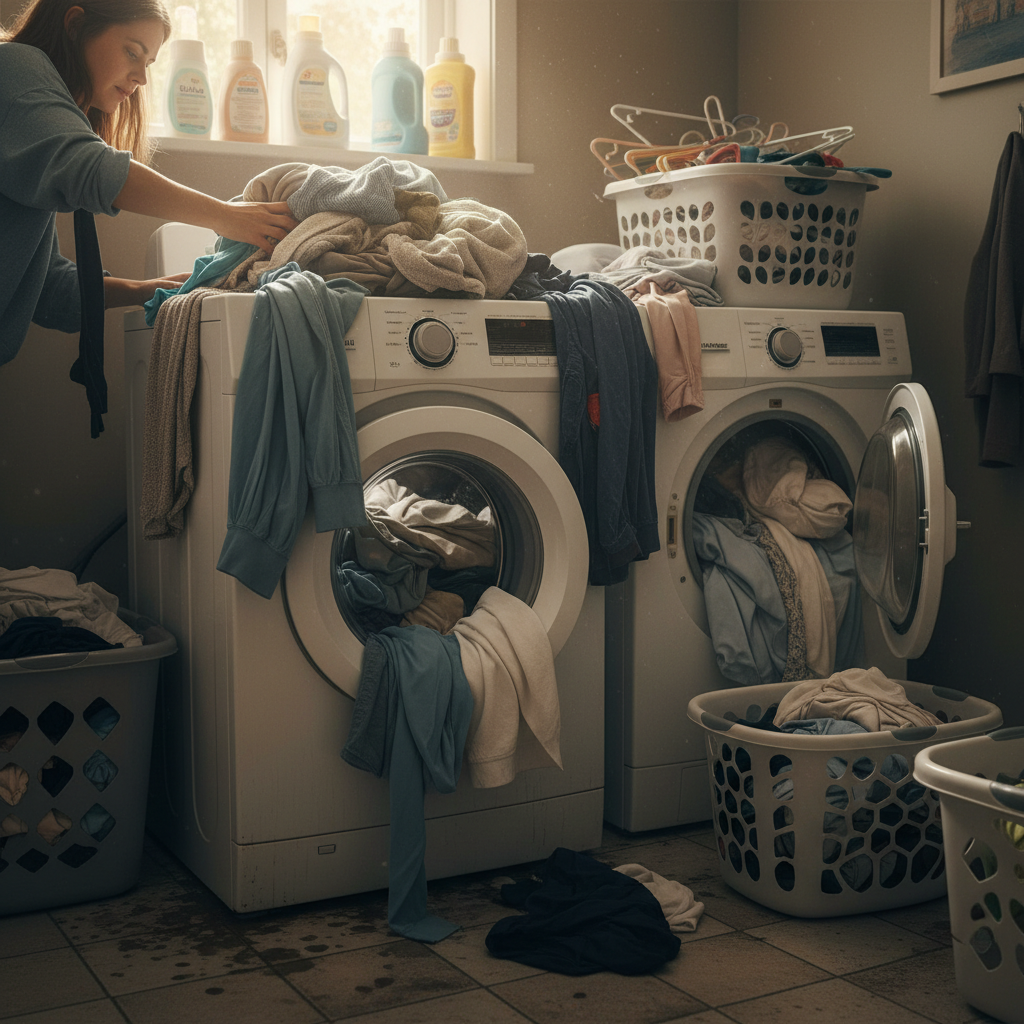
The Small Habits, Big Problems Connection
Most of us approach laundry on autopilot. Clothes go in, soap gets poured, a cycle is selected, and we go about our day. It’s a mindless chore, right? We’re busy, juggling work, family, and everything else life throws our way. Who has time to really think about laundry? That’s precisely the problem. Those small, seemingly insignificant habits – how you load the machine, the type of detergent you use, how often you clean your appliances – can have a surprisingly big impact over time.
This isn’t about some complicated scientific theory. It’s about everyday choices, and how they add up. Think about it: a little too much detergent here, a quick wipe-down of the machine there, and suddenly, you’re looking at higher energy bills, a washing machine that isn’t working as efficiently, or even the potential for mold and mildew to take hold. It’s like those tiny drips from a leaky faucet – you barely notice them at first, but eventually, they create a real problem.
Common Laundry Mistakes and Their Consequences
Let’s dive into some common mistakes and the problems they create. You’ll probably recognize yourself in at least one of these!
Overloading the Washing Machine
We’ve all been guilty of this. Trying to cram as much as possible into the washing machine to avoid doing multiple loads. It feels efficient at the time, but it can be really rough on your machine.
- The Problem: Overloading forces the machine to work harder. The motor strains, the drum struggles to rotate properly, and clothes don’t get as clean because they don’t have enough room to move around.
- The Fallout: Reduced appliance lifespan (that motor won’t last as long!), clothes that don’t get properly cleaned, and even a potential for leaks or breakdowns.
Using Too Much Detergent
More soap equals cleaner clothes, right? Wrong! This is a classic example of “more isn’t always better.”
- The Problem: Excess detergent can leave residue on your clothes and in your machine. This residue builds up over time, attracting dirt and grime, and clogging up the works. Modern washing machines use less water than older models, meaning it’s easier for soap to linger.
- The Fallout: Clothes that feel stiff or scratchy, a smelly washing machine, and potential issues with the drain and pump. You might also find yourself needing to re-wash clothes to get rid of the residue.
Ignoring the Washing Machine’s Needs
We expect our machines to work tirelessly, but often forget they need a little TLC.
- The Problem: Not cleaning your washing machine regularly is a recipe for disaster. Soap scum, mold, and mildew can accumulate, creating unpleasant odors and reducing the machine’s efficiency.
- The Fallout: Musty-smelling clothes, potential health hazards from mold exposure, and a shortened lifespan for the appliance.
Neglecting Proper Sorting
Throwing everything into the wash together saves time, doesn’t it? Well, not always!
- The Problem: Washing whites with colors can lead to faded colors and dingy whites. Washing delicate fabrics with heavier items can cause damage or wear and tear.
- The Fallout: Damaged clothing, increased wear and tear on your clothes, and having to replace items sooner than you’d like.
Busting Laundry Myths and “Quick Fixes”
The internet is full of laundry “hacks” and shortcuts. But are they all helpful? Let’s debunk a few common myths:
- Myth: Using hot water always gets clothes cleaner.
- Reality: Hot water can shrink clothes, fade colors, and use a lot of energy. Unless you’re dealing with heavily soiled items, cold or warm water often works just as well.
- Myth: More bleach equals whiter whites.
- Reality: Excessive bleach can weaken fibers and damage fabrics. Stick to the recommended amount and consider bleach alternatives like oxygen bleach for a gentler approach.
- Myth: You need a specific laundry detergent for every type of fabric.
- Reality: While specialized detergents exist, a good quality, all-purpose detergent can handle most of your laundry needs.
Practical Tips for Smarter Laundry Habits
Ready to make a few changes? Here are some simple tips to transform your laundry routine:
- Load Smartly: Don’t overload the machine. Leave enough space for clothes to move freely. As a general rule, your laundry should fill no more than ¾ of the drum.
- Measure Detergent: Use the recommended amount of detergent. Less is often more. Consider using liquid detergent instead of powder, as it tends to dissolve better.
- Clean Your Machine Regularly: Run an empty cycle with hot water and a cup of vinegar every month or two. Wipe down the rubber seal around the door after each wash.
- Sort with Care: Separate whites, colors, and delicates. Consider using mesh laundry bags for delicate items.
- Check Pockets: Before tossing clothes in the wash, check all pockets for pens, lipsticks, tissues, and other items that can cause a mess.
- Air Dry When Possible: Whenever feasible, air-dry your clothes. This reduces energy consumption, protects your clothes, and can even help them last longer.
- Read Labels: Pay attention to the care labels on your clothes. Following these instructions will prevent damage and keep your garments looking their best.
The Impact of These Habits in Today’s World
In our increasingly tech-driven and eco-conscious world, these laundry habits matter more than ever. Smart appliances are becoming more common, and they can offer features that help you conserve water and energy. Being mindful of your laundry habits not only saves you money but also contributes to a more sustainable lifestyle.
Plus, with the rising cost of electricity and the growing awareness of environmental issues, simple changes like using cold water or air-drying clothes can make a real difference.
Long-Term Benefits: Peace of Mind and Savings
Changing your laundry routine might seem like a small thing, but the long-term benefits are substantial:
- Reduced Expenses: Lower energy and water bills, fewer appliance repairs, and longer-lasting clothes all contribute to significant savings over time.
- Extended Appliance Life: By treating your washing machine with care, you can extend its lifespan, saving you the cost and hassle of premature replacements.
- Better-Looking Clothes: Properly sorted and washed clothes will look better, last longer, and retain their color and shape.
- Peace of Mind: Knowing you’re doing things the right way, protecting your home and belongings, and contributing to a more sustainable lifestyle brings a sense of calm and control.
- Healthier Home: Preventing mold and mildew growth helps create a healthier living environment.
Frequently Asked Questions About Laundry Habits
Here are some of the most common questions people have about laundry and how to do it right:
Q: How often should I clean my washing machine?
A: Aim to clean your washing machine at least once a month, or more often if you do a lot of laundry. Run an empty cycle with hot water and a cup of white vinegar, or use a washing machine cleaner. Don’t forget to wipe down the rubber seal around the door after each wash to prevent mold and mildew growth.
Q: What’s the best way to deal with stubborn stains?
A: Treat stains as soon as possible. Rinse the stained area with cold water, and then apply a stain remover or a mixture of baking soda and water. Gently rub the stain and let it sit for a few minutes before washing the garment. For tough stains, consider pre-soaking the item.
Q: Should I use cold water or hot water for most loads?
A: Cold water is generally recommended for most loads, as it uses less energy and is gentler on your clothes. Reserve hot water for heavily soiled items or whites, but always check the care labels first.
Q: What type of detergent is best?
A: Choose a high-quality detergent that is suitable for your machine (HE or standard). Consider using liquid detergent, as it dissolves more easily than powder. Look for detergents that are environmentally friendly and free of harsh chemicals.
Q: How can I prevent clothes from fading?
A: Turn clothes inside out before washing, wash in cold water, and use a detergent designed for colors. Avoid overloading the machine, as this can cause friction and fading. Air dry your clothes whenever possible.
Q: How do I know if I’m using too much detergent?
A: If you notice excessive suds during the wash cycle, or if your clothes feel stiff or have residue after washing, you’re likely using too much detergent. Reduce the amount you use and see if the problem improves.
Q: Is it okay to wash everything together?
A: No! Separate whites from colors and delicates from heavier items. Following the care instructions on clothing labels will help you avoid damaging your clothes.
Q: How does laundry affect my home’s energy consumption?
A: Washing machines and dryers are significant energy consumers. Using cold water, air-drying clothes, and running full loads can all help you reduce your energy consumption and lower your utility bills.
By making these simple adjustments to your laundry routine, you can create a more efficient, cost-effective, and enjoyable experience. You’ll not only be saving money and extending the life of your appliances, but also contributing to a healthier home and a more sustainable lifestyle. It’s about taking those everyday tasks and making them work better for you, without adding extra stress or complexity. In the end, it’s about making your life easier, one load of laundry at a time.
Want to learn more about saving energy around the home? Check out this related article: Home, Tech & Daily Life Tips Insight: Feb 10, 2026.