
Picture this: It’s a sweltering summer afternoon. You’ve just come in from mowing the lawn, and all you crave is a tall glass of ice water. You walk into the kitchen, open the refrigerator, and ahhh… the cool rush of air hits your face. That icy water is waiting, perfectly chilled, thanks to a tireless machine that’s been working silently in your kitchen, 24/7, for years. But have you ever stopped to wonder how your refrigerator actually keeps things cold? It’s not magic, although it feels that way sometimes. Let’s pull back the curtain and take a look.
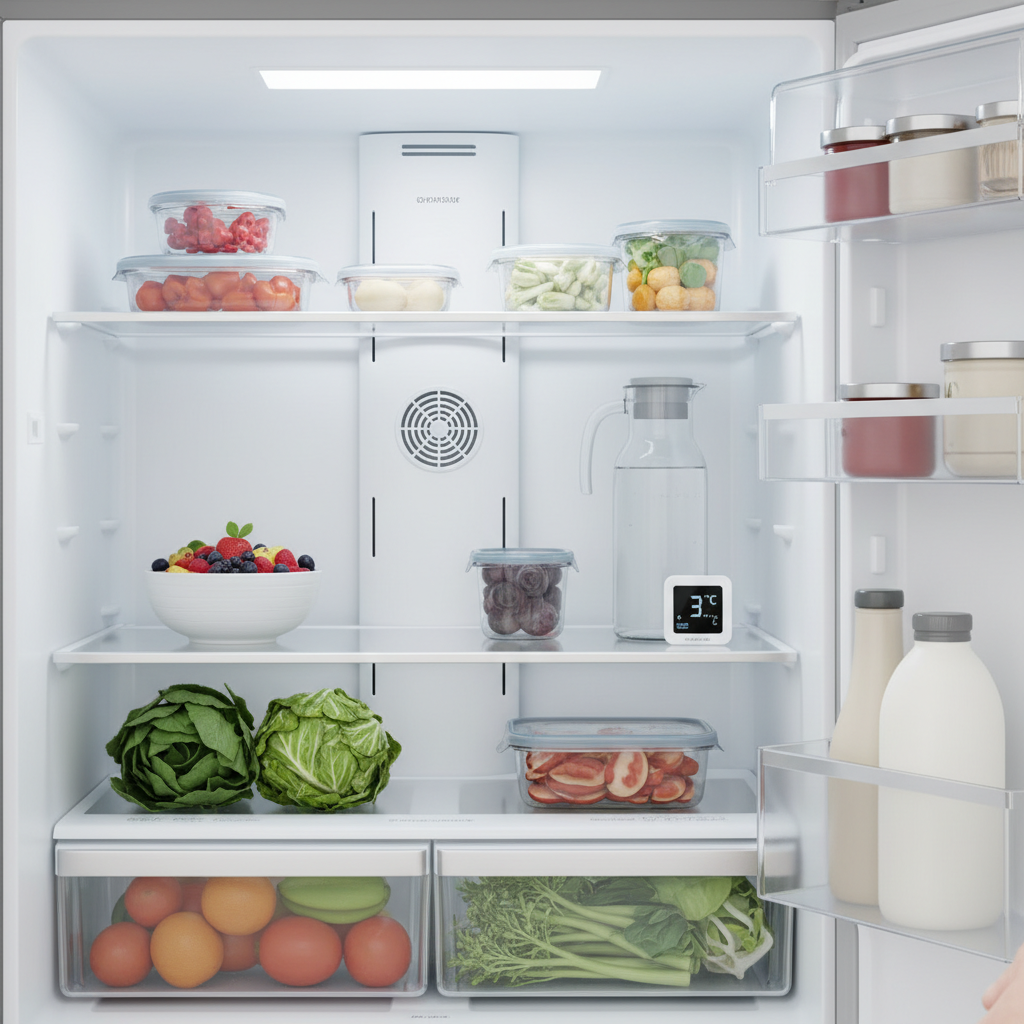
The Basic Principle: Moving Heat, Not Making Cold
At a basic level, this works because a refrigerator doesn’t *make* cold. Instead, it moves heat from inside the fridge to the outside. Think of it like a tiny, tireless porter, constantly carrying heat from your food and drinks and dumping it outside, leaving a cool oasis in its wake. This process is called refrigeration, and it relies on a clever trick involving a special fluid called a refrigerant.
The Key Players: Breaking Down the Fridge’s Anatomy
Your refrigerator is more than just a box. It’s a system, and like any good system, it has several key parts that work together in a carefully orchestrated dance. Here’s a rundown of the major players:
- The Compressor: This is the heart of the operation, the engine that drives the whole process. It’s a pump that compresses the refrigerant, increasing its pressure and temperature.
- The Condenser Coils: Often found on the back or bottom of your fridge, these coils are where the magic happens. The hot, high-pressure refrigerant releases its heat into the surrounding air, cooling down and changing into a liquid.
- The Expansion Valve: This valve acts as a bottleneck, suddenly dropping the pressure of the liquid refrigerant. This sudden pressure drop causes the refrigerant to cool dramatically.
- The Evaporator Coils: These coils are inside the refrigerator compartment. The cold, low-pressure refrigerant absorbs heat from the inside of the fridge, cooling the air and your food.
- The Refrigerant: The lifeblood of the system, this special fluid cycles through the entire process, absorbing and releasing heat.
Step-by-Step: The Refrigeration Cycle Explained
Now, let’s follow the refrigerant on its journey through this cycle:
- Compression: The compressor sucks in the refrigerant as a low-pressure gas, squeezes it, and turns it into a hot, high-pressure gas.
- Condensation: The hot refrigerant flows into the condenser coils. As it releases its heat to the outside air, it cools down and condenses into a high-pressure liquid.
- Expansion: The liquid refrigerant passes through the expansion valve, where the pressure suddenly drops. This rapid pressure drop causes the refrigerant to cool down significantly, becoming a cold, low-pressure liquid.
- Evaporation: The cold refrigerant then flows into the evaporator coils inside the fridge. Here, it absorbs heat from the inside, causing the refrigerant to evaporate and turn back into a low-pressure gas. This process is what cools the inside of your fridge.
- Back to the Beginning: The now-warm, low-pressure refrigerant returns to the compressor, and the cycle starts all over again.
This cycle happens continuously, keeping the inside of your refrigerator consistently cool. Pretty clever, right?
Common Misconceptions: Debunking the Fridge Myths
There are a few common misconceptions about how refrigerators work. Let’s clear them up:
- Myth: Refrigerators produce cold air.
Truth: They remove heat. The cooling effect comes from taking heat away from the inside, not by generating cold air. - Myth: The freezer and refrigerator sections work independently.
Truth: They’re part of the same system. The evaporator coils are often split between the freezer and refrigerator compartments. The freezer is simply colder because it’s designed to draw more heat out. - Myth: Leaving the fridge door open for a while will cool down the room.
Truth: It will actually heat up the room. The fridge is designed to transfer heat out of the inside. If you leave the door open, the compressor will work harder to remove the heat from the room, and will eventually release that heat into the room.
Why Small Changes Make a Big Difference: Usage Habits and Performance
Believe it or not, the way you use your fridge can significantly affect how well it works and how long it lasts. Here’s why:
- Door Openings: Every time you open the door, warm air rushes in, and the fridge has to work harder to cool it down. Try to minimize how long the door is open and how often you open it.
- Overcrowding: Overstuffing your fridge blocks airflow, making it harder for the cold air to circulate evenly. Allow space around items for air to move freely.
- Hot Food: Putting hot food directly into the fridge forces the fridge to work overtime to cool it down. Let food cool down to room temperature before storing it.
- Seals and Gaskets: Check the rubber seals around the doors regularly. If they’re cracked or damaged, warm air will leak in, and the fridge will have to work harder. Replace them if necessary.
- Temperature Settings: Keep the fridge temperature between 37-40°F (3-4°C) and the freezer at 0°F (-18°C). Anything colder is unnecessary and wastes energy.
- Location: Make sure your fridge has enough space around it for ventilation. If it’s too close to a wall or enclosed, the condenser coils can’t release heat efficiently.
By following these simple tips, you can help your fridge run efficiently and extend its lifespan. And by extension, you are helping your electricity bill too!
Modern Relevance: The Fridge in the Age of Smart Homes and Sustainability
Today’s refrigerators are more advanced than ever. Many models now boast features like:
- Smart Technology: Connected refrigerators can be controlled remotely via smartphone apps. You can adjust temperatures, receive alerts if the door is left open, and even see what’s inside without opening the door.
- Energy Efficiency: Modern refrigerators are designed to be highly energy-efficient, using less electricity than older models. Look for the Energy Star label when buying a new fridge.
- Sustainability: Many manufacturers are using more eco-friendly refrigerants and manufacturing processes to reduce their environmental impact.
- Food Preservation: From specialized compartments for fruits and vegetables to advanced air filtration systems, modern refrigerators are designed to keep food fresher for longer.
As we become more conscious of sustainability and smart home technology, the refrigerator continues to evolve, making it an indispensable appliance in our modern lives. Innovations in refrigeration are not stopping. The pursuit of greater energy efficiency, food preservation, and smart features continues apace. Who knows what the future holds for the humble refrigerator? But one thing is for sure: it will still be keeping our food cold, day in and day out.
Explaining It to Someone Else: The Simplified Version
So, how do you explain how a refrigerator works to a friend? Here’s the simplified version:
“Imagine your fridge is like a tiny air conditioner. It takes the heat from inside the fridge and dumps it outside. It does this using a special fluid called a refrigerant, which changes between a liquid and a gas. A compressor squeezes the refrigerant, making it hot. The hot refrigerant then releases its heat into the air outside the fridge (through the coils on the back). Then, the refrigerant goes through a valve that makes it cold. Finally, the cold refrigerant absorbs heat from inside the fridge, cooling your food. Then the cycle starts all over again.”
Once you understand that the fridge is just moving heat, the whole process becomes much clearer. The next time you open your fridge, you can appreciate the complex and fascinating process that is keeping your food safe and fresh.
FAQ: Frequently Asked Questions About Refrigerators
Here are some of the most common questions people ask about refrigerators:
1. Why is my refrigerator making weird noises?
The noises are usually from the compressor or fans. Sometimes, it’s just the refrigerant circulating. As long as the fridge is cooling properly, it’s probably nothing to worry about. But if the noise is loud or unusual, and you’re concerned, it’s best to call a repair technician.
2. How long should a refrigerator last?
With proper care, a good-quality refrigerator can last 10-20 years. Regular cleaning, avoiding overcrowding, and checking the door seals can help extend its lifespan.
3. Why is my food freezing in the refrigerator?
This can happen if the temperature is set too low or if items are placed directly in front of the vents. Check your temperature settings first. If that doesn’t work, ensure that cold air can flow freely within the fridge, and that food isn’t blocking vents.
4. How often should I clean my refrigerator?
Aim for a thorough cleaning every 1-3 months, depending on how often you use your fridge. Wipe up spills immediately to prevent odors and bacterial growth.
5. What does the “Energy Star” label mean?
The Energy Star label means the refrigerator meets strict energy efficiency guidelines set by the Environmental Protection Agency. Buying an Energy Star-certified fridge can save you money on your electricity bill and reduce your environmental footprint.
6. What happens if my refrigerator stops working?
The first thing to do is check the circuit breaker. If that’s not the problem, check the door seals to make sure they’re airtight. If the problem persists, you may need to call a repair technician or replace the fridge.
7. Why does my refrigerator sometimes have frost build-up in the freezer?
Some frost is normal, but excessive frost can indicate a problem. Common causes include a door that isn’t sealing properly, or a problem with the defrost system.
8. Can I put hot food directly into the refrigerator?
It’s best to let hot food cool down to room temperature before putting it in the fridge. This prevents the fridge from having to work overtime and can also affect the temperature of other foods.
Understanding how your refrigerator works can help you get the most out of it. It can help you save money on your energy bill, prolong its life, and keep your food fresher for longer. So, next time you open your fridge, take a moment to appreciate the science and engineering behind this everyday marvel.
To learn more about how to make your appliances last longer and work more efficiently, check out My Phone’s Battery Drains Too Fast! A Real-World Guide to Making it Last. You’ll find other great resources on , too!