
Think about your phone. It’s probably glued to your hand, right? Mine too. We use them for everything—work, play, staying in touch. But how often do you think about how you charge it? Probably not much. Most of us just plug it in wherever’s convenient, whenever we get a low-battery notification. But those small, everyday charging habits have a bigger impact on your home, your wallet, and even your phone’s lifespan than you might realize.
The Plug-and-Forget Trap
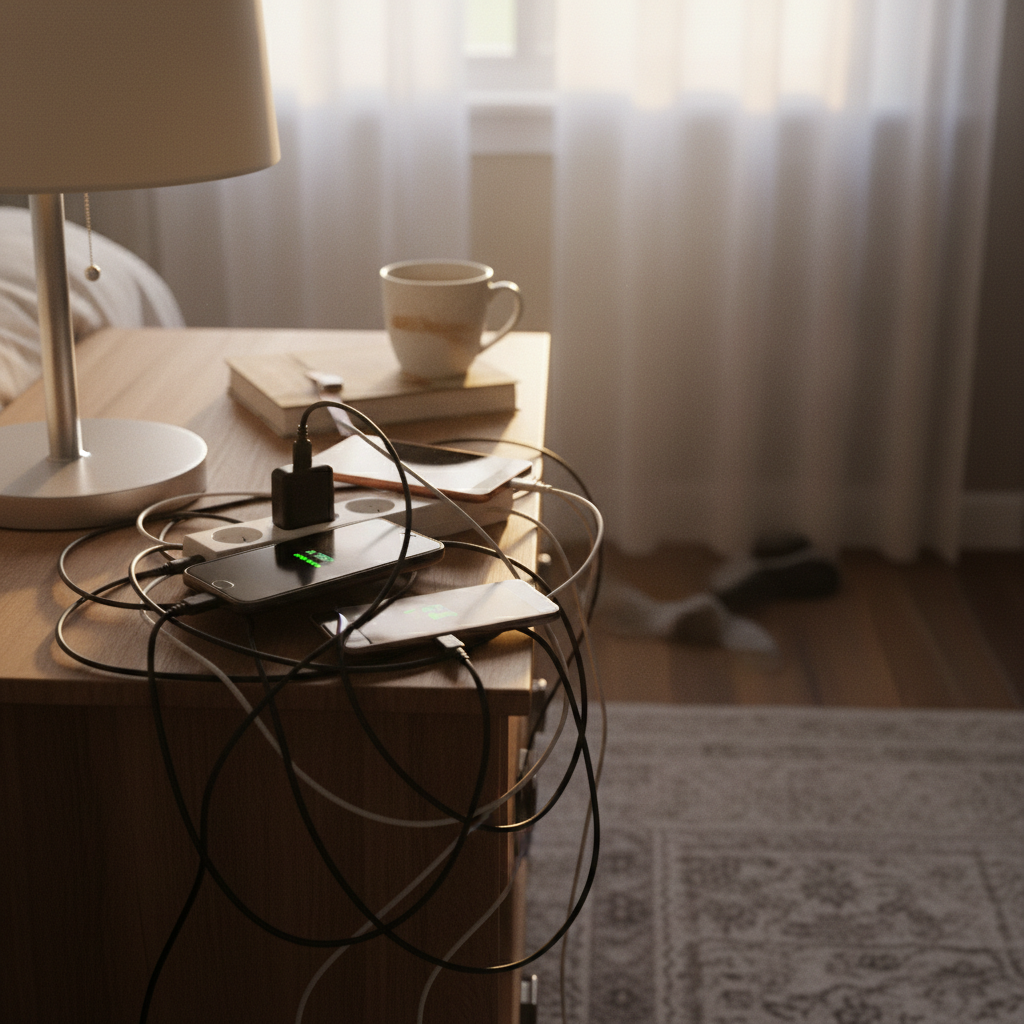
Here’s a familiar scene: You’re rushing out the door and your phone is at 20%. You grab the nearest charger, plug it in, and leave it there. Maybe overnight. Maybe for a whole weekend. Sounds harmless, right? Wrong. This “plug-and-forget” habit is where it all starts. It’s so common we don’t even think twice about it. But this seemingly innocent act creates a chain reaction of consequences that affects device life, home safety, and electricity bills.
How Charging Affects Your Phone’s Lifespan
Let’s talk about your phone’s battery. Modern smartphones use lithium-ion batteries. These batteries have a limited lifespan, meaning they degrade over time. Constant charging, especially when your phone is already at 100%, puts extra stress on the battery. Think of it like overfilling a glass. Eventually, it’ll crack. Over time, this leads to reduced battery capacity, meaning you’ll need to charge your phone more often, and eventually, the battery will need to be replaced.
The Overcharge Myth
You might have heard that leaving your phone plugged in overnight will “overcharge” it and ruin the battery. While older phones with different battery technologies were susceptible to this, modern smartphones have smart charging systems. Once the phone reaches 100%, charging stops. However, the phone still draws a small amount of electricity to maintain that 100% charge. This constant trickle charging, combined with the heat generated while plugged in, can still contribute to battery degradation over time.
The Heat Factor
Heat is a battery’s worst enemy. Charging generates heat, and leaving your phone plugged in, especially in a warm environment (like under your pillow or in direct sunlight), can accelerate battery degradation. Think about it – you don’t want to leave your phone on the dashboard of your car on a hot summer day, right? The same principle applies when charging.
The Home Safety Angle
Now, let’s talk about something a bit more serious: home safety. While rare, faulty chargers or damaged charging cables can pose a fire hazard. Leaving your phone plugged in unattended, especially overnight, increases the risk. A damaged cable can overheat, leading to sparks and, potentially, a fire.
The Importance of Quality Chargers
Using a cheap, generic charger from an unknown brand can be risky. These chargers may not meet safety standards and could be more prone to overheating or electrical malfunctions. Stick to chargers that came with your phone or those from reputable brands. Always check your charger and cable for any signs of damage, like fraying wires or cracks. If you see anything suspicious, replace them immediately.
Outlets and Overloading
Don’t overload your outlets. Plugging multiple devices into a single outlet can put a strain on your electrical system, increasing the risk of overheating and fire. Use power strips with surge protectors, but don’t overload the power strip itself. Spread out your charging needs across different outlets to be on the safe side.
The Hidden Costs: Electricity Bills
Charging your phone might seem like a small energy consumer, but those little bits of electricity add up over time. Leaving your charger plugged in, even when your phone is fully charged or not connected, still draws a small amount of “phantom load” or “vampire power.” While the amount is relatively small per charger, having multiple chargers plugged in around your home contributes to your overall electricity consumption.
The Charger’s Appetite
Even a charger that’s not actively charging a device consumes a small amount of electricity. It’s like having a tiny, invisible drain on your power bill. While the impact of a single charger is minimal, the combined effect of multiple chargers, along with other electronics left in standby mode, can be noticeable over a year. The cost of electricity varies by location and provider. To illustrate, imagine you have five chargers plugged in constantly, each consuming a few watts. This seemingly small amount can add up to several kilowatt-hours per month.
Energy-Saving Habits
Unplug your charger when it’s not in use. It’s that simple. Making this a habit can save you a few dollars on your electricity bill each year and reduce your environmental impact. If you have trouble remembering, consider using a smart power strip that automatically cuts off power to devices when they’re not in use. This small change can make a difference in the long run.
Common Mistakes and How to Fix Them
We’ve all been there: making these simple mistakes without even realizing they’re problems. Let’s look at some common pitfalls and how to correct them:
- Mistake: Using generic or damaged chargers.
- Fix: Always use the charger that came with your phone or a charger from a reputable brand. Regularly inspect your charging cables for damage, and replace them if necessary.
- Mistake: Plugging your phone in and forgetting about it.
- Fix: Be mindful of how long you leave your phone plugged in. Consider charging it only when needed and unplugging it once it reaches 100%.
- Mistake: Charging your phone in hot environments.
- Fix: Avoid charging your phone in direct sunlight or in enclosed, hot spaces.
- Mistake: Overloading outlets with multiple devices.
- Fix: Use power strips with surge protectors, but avoid overloading them. Distribute your charging needs across multiple outlets.
- Mistake: Leaving chargers plugged in when not in use.
- Fix: Unplug chargers when they’re not charging a device to avoid “phantom load.”
Simple Tips for Smarter Charging
Changing these habits doesn’t require a complete overhaul of your routine. Here are some simple, practical tips that you can easily integrate into your daily life:
- Charge Strategically: Instead of plugging in your phone whenever, charge it when you need it and unplug it when it’s full.
- Choose the Right Place: Avoid charging your phone in hot or humid environments.
- Inspect Your Gear: Regularly check your chargers and cables for any signs of wear and tear.
- Use Smart Tech: Consider investing in a smart power strip to automatically cut off power to chargers when they’re not in use.
- Be Mindful: Pay attention to your charging habits. Small changes can make a big difference over time.
The Long-Term Payoff
Making these small changes to your charging habits can lead to significant long-term benefits:
- Extended Device Life: By avoiding excessive heat and overcharging, you can prolong the life of your phone’s battery. This means fewer replacements and more savings.
- Enhanced Home Safety: Reducing the risk of fire hazards provides peace of mind and protects your home and family.
- Reduced Electricity Bills: Unplugging chargers and being mindful of your energy consumption can help you save money on your monthly bills.
- Peace of Mind: Knowing you’re taking simple steps to protect your devices, your home, and your wallet can reduce stress and increase your overall sense of well-being.
Once you make these changes, everything feels easier. You’ll worry less about your phone’s battery dying at the worst moment. You’ll feel more confident about the safety of your home. You’ll see a slight reduction in your electricity bill. The little things add up. And taking care of the little things can make a big difference in how you live your life.
Frequently Asked Questions
Here are some of the questions I often get asked about charging habits:
Q: Does leaving my phone plugged in overnight ruin the battery?
A: Modern smartphones have smart charging systems, so overcharging isn’t as much of a concern as it used to be. However, leaving your phone plugged in constantly, especially in a hot environment, can contribute to battery degradation over time.
Q: Is it safe to use a generic charger?
A: Using a charger from a reputable brand is always recommended. Generic chargers may not meet safety standards and could pose a risk of overheating or electrical malfunctions.
Q: How much electricity does a charger use when not charging a phone?
A: Chargers still draw a small amount of electricity, known as “phantom load,” even when not actively charging a device. While the amount is small per charger, the combined effect of multiple chargers can be noticeable over time.
Q: Should I let my phone battery die completely before recharging?
A: It’s best to avoid letting your phone battery drain completely. Modern lithium-ion batteries perform best when they are charged more frequently and kept within a comfortable charge range (e.g., between 20% and 80%).
Q: How can I tell if my charger is damaged?
A: Look for any signs of damage, such as fraying wires, cracks, or exposed wires on the cable. Also, check the charger itself for any discoloration or melting. If you notice any of these, replace the charger immediately.
Q: What’s the best way to charge my phone for optimal battery life?
A: Charge your phone when needed, and unplug it when it reaches 100%. Avoid extreme temperatures and use a charger from a reputable brand. Also, don’t let it drain completely before charging.
Q: How can I save money on my electricity bill related to charging my phone?
A: Unplug your charger when it’s not in use. This simple habit can reduce your “phantom load” and save you a few dollars on your electricity bill each year.
Q: Are smart plugs worth it for charging my phone?
A: Smart plugs can be a good investment if you want to automate your charging habits. They can cut off power to your charger when your phone is fully charged, helping to save energy and prolong the life of your phone battery.