
We’ve all been there – scrolling through our phones, laptops open, maybe a show playing on the TV, all while connected to the home Wi-Fi. It’s so commonplace we barely give it a second thought. But what if those seemingly innocent Wi-Fi habits are quietly draining your wallet, slowing down your tech, and even creating security vulnerabilities? Let’s dive in.
The Always-On Nightmare: What’s Really Happening
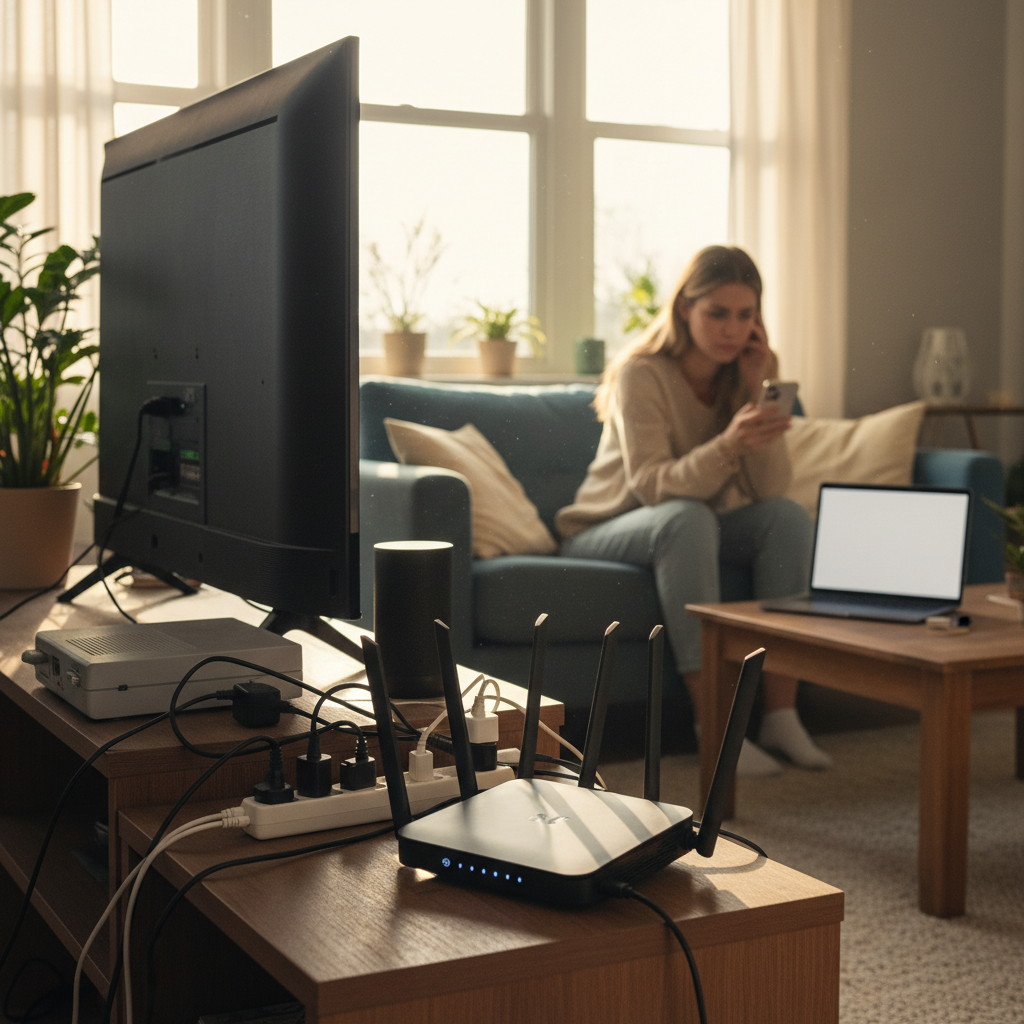
Most of us leave our Wi-Fi routers on 24/7. It’s convenient, right? We want instant access whenever we need it. But this convenience comes at a cost. Your router is a small computer, constantly working. It’s searching for devices, managing connections, and handling data traffic, even when you aren’t actively using the internet.
This constant activity leads to a few key problems:
- Energy Consumption: While a single router doesn’t use a huge amount of power, it’s still drawing electricity around the clock. Over a year, this can add up to a noticeable amount on your energy bill.
- Overheating: Routers, especially older models, can overheat if they’re constantly running. This can shorten their lifespan, leading to more frequent replacements.
- Security Risks: Leaving your router on 24/7 means it’s always vulnerable to hacking attempts. While most routers have security measures, the longer they’re on, the more opportunities hackers have to exploit vulnerabilities.
- Performance Degradation: Like any computer, routers can slow down over time. Constant use can lead to accumulated “digital clutter,” impacting the speed and reliability of your Wi-Fi.
The Small Mistakes We Make (Without Realizing)
Beyond the simple fact of leaving the router on, there are other everyday habits that can amplify the negative effects. Consider these common mistakes:
- Poor Router Placement: Hiding your router in a closet or behind furniture seems like a good idea to keep things tidy, but it’s terrible for signal strength. Weak signals mean devices have to work harder to connect, using more power.
- Ignoring Updates: Router manufacturers regularly release firmware updates to fix security flaws and improve performance. Many people ignore these updates, leaving their network vulnerable.
- Weak Passwords: Using a default or easy-to-guess password is like leaving your front door unlocked. Hackers can easily access your network and potentially your personal data.
- Too Many Connected Devices: The more devices you have connected to your Wi-Fi, the more strain on the router. This can lead to slower speeds and increased power consumption, especially during peak usage times.
The Hidden Costs: Beyond the Monthly Bill
The immediate cost is the extra electricity used, but the consequences extend far beyond your monthly bill. Think about it:
- Early Router Replacement: Overheating and wear and tear can cause your router to fail sooner, forcing you to buy a new one.
- Data Breaches and Identity Theft: If your network is hacked, you could face financial losses, identity theft, and the hassle of dealing with the aftermath.
- Slow and Frustrating Internet: Constant buffering, slow downloads, and dropped connections can make everyday tasks a chore. This isn’t just an inconvenience; it can impact productivity and create unnecessary stress.
- Environmental Impact: The more energy we consume, the greater our carbon footprint. Reducing your Wi-Fi-related energy usage is a small step towards a more sustainable lifestyle.
Smart Solutions: Easy Tips for a Smarter Home Network
The good news is, you can make simple changes to mitigate these problems and create a more efficient, secure, and user-friendly home network. Here’s how:
- Power Down When You Don’t Need It: The simplest solution is to turn off your router when you’re asleep or away from home for extended periods. A smart plug makes this effortless. You can set a schedule to automatically turn the router on and off.
- Optimize Router Placement: Place your router in a central, open location, away from obstructions. This maximizes signal range and minimizes the need for devices to use extra power to connect.
- Update Your Router’s Firmware: Make it a monthly habit to check for and install firmware updates. This is crucial for security and performance. Most routers have an automatic update feature.
- Create a Strong Password: Use a complex, unique password for your Wi-Fi network. Don’t use personal information or easily guessable words.
- Manage Connected Devices: Limit the number of devices connected simultaneously, especially during peak hours. Consider using the 5 GHz band on your router for devices that support it, as it offers faster speeds and less congestion.
- Consider a Router Upgrade: Older routers may not be as energy-efficient or secure as newer models. If yours is several years old, it might be worth upgrading to a more modern router with the latest security features and energy-saving technology.
- Use Guest Networks: If you have visitors who need Wi-Fi access, create a guest network. This isolates their devices from your primary network, adding an extra layer of security.
- Monitor Your Network: Use your router’s administration interface or a network monitoring app to track which devices are connected and how much bandwidth they’re using. This can help you identify potential problems and optimize your network.
Implementing these steps won’t only save you money, but improve your digital life in many ways.
How These Habits Matter More in 2026
In 2026, we are more reliant on technology than ever. Smart home devices, remote work, and streaming services are common. This increased reliance means a more significant strain on our home networks.
These are just some things to take into consideration:
- Increased Number of Devices: Households now have dozens of connected devices, from smart TVs to refrigerators and security systems. This puts a greater demand on your Wi-Fi network and increases the potential for security vulnerabilities.
- Faster Internet Speeds: With the rollout of faster internet connections, the need for a well-functioning, secure network is even more critical. If your Wi-Fi can’t keep up, you won’t be able to take advantage of those faster speeds.
- Growing Cyberthreats: Cyberattacks are becoming more sophisticated, and home networks are a prime target. Strong security practices are essential to protect your personal data and privacy.
Long-Term Benefits: Peace of Mind and Savings
By adopting these simple habits, you’ll see benefits that will last. You’ll not only save money on your electricity bill but also:
- Enjoy a faster, more reliable internet experience.
- Reduce your risk of data breaches and identity theft.
- Extend the lifespan of your router.
- Reduce your environmental impact.
- Gain peace of mind knowing your home network is secure and efficient.
Taking control of your Wi-Fi habits is an investment in your home, your tech, and your peace of mind.
Frequently Asked Questions
Here are some common questions about Wi-Fi habits and their impact:
- Does turning off my router at night really save money? Yes, it does. While the savings from a single night might seem small, they add up over time. It’s a simple way to reduce your electricity bill.
- Is it okay to leave my router on all the time? You can, but it’s not ideal. It increases the risk of overheating, security vulnerabilities, and performance degradation. Consider turning it off when you don’t need it.
- How often should I update my router’s firmware? Aim to update your firmware at least once a month, or more frequently if there are critical security updates.
- How can I tell if my router is secure? Check your router’s administration interface for security settings, ensure you have a strong password, and enable any available security features.
- Will turning off my router improve my internet speed? Potentially. If your router has been running continuously for a long time, turning it off and on can clear its memory and improve performance.
- What’s the best place to put my router? Place it in a central, open location, away from obstructions like walls and metal objects. Elevating it can also help improve signal coverage.
- Should I upgrade my router? If your router is several years old or you’re experiencing slow speeds or security issues, it might be time to upgrade to a newer model with the latest features.
- How do I monitor my internet usage? Most routers have a built-in feature to monitor internet usage. You can also use third-party apps to track bandwidth consumption by device.
Making small changes can have a big impact. By understanding the hidden costs of your Wi-Fi habits, you can take control and enjoy a more secure, efficient, and cost-effective home network. For more information on home appliances, consider how your washing machine really works.