
Think about it: Your phone, tablet, smartwatch – they’re practically extensions of yourself these days. We rely on them for everything from staying connected with family to managing work and even controlling our smart homes. But how often do you truly think about how you’re charging these vital devices? Probably not much. Most of us just plug them in when the battery gets low, and unplug when they hit 100%, right? Well, those seemingly harmless habits are quietly eating away at the lifespan of your devices.
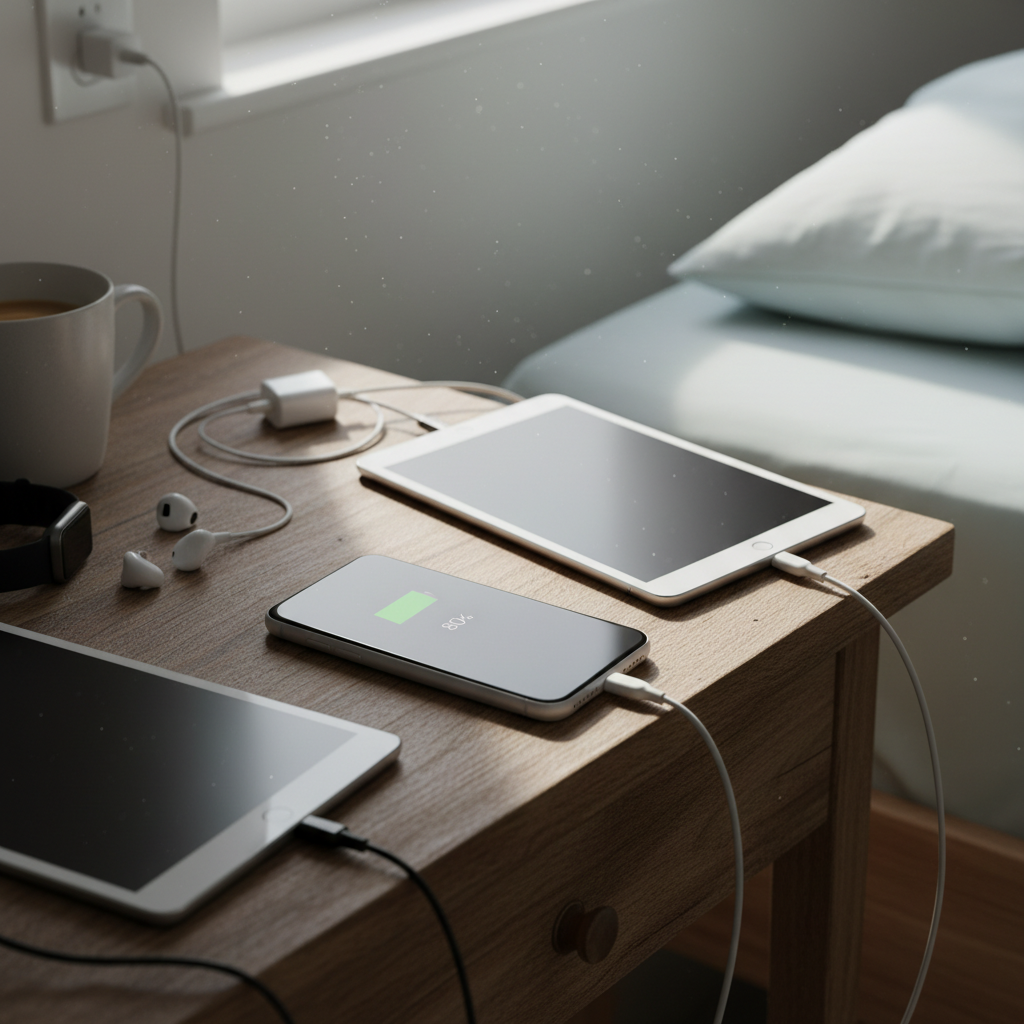
This isn’t about some complicated tech mumbo-jumbo; it’s about understanding how your everyday charging routines can lead to some surprisingly big problems down the road. Let’s dive into this, so you can start saving money, reducing e-waste, and keeping your devices running smoothly for as long as possible.
The Silent Battery Drain: What’s Really Going On
Most of us charge our devices overnight. We plug them in before bed and unplug them in the morning, right? It seems convenient, but this common practice is a key player in shortening battery life. Modern smartphones, tablets, and other rechargeable devices use lithium-ion batteries. These batteries have a specific “sweet spot” for optimal performance: generally between 20% and 80% charge. Constantly charging to 100% and then leaving them plugged in, especially for extended periods, puts unnecessary stress on the battery.
Think of it like this: Imagine running a marathon at full sprint. You might make it, but you’ll be utterly exhausted afterward and your body will have suffered. Similarly, keeping your device constantly at 100% is like forcing your battery to sprint all the time. It generates heat, accelerates chemical degradation, and eventually, the battery’s capacity decreases. This leads to reduced battery life, meaning you’ll need to charge more frequently, and eventually, your device might start shutting down sooner than expected. And let’s be real, no one wants to carry around a charger all day because their phone can’t hold a charge.
Another common habit is charging your device frequently, even when the battery is still relatively high. For example, some people plug their phones in every time they sit at their desk, even if it’s at 60% or 70%. While this might seem harmless, it can also affect your battery in the long run. Frequent, shallow charging cycles, although not as damaging as overcharging, can still contribute to battery degradation. Ideally, you want to stick to those charging cycles between 20%-80% to keep things optimal.
The Hidden Costs: Beyond Just Battery Life
The impact of your charging habits goes far beyond just a shorter battery lifespan. Let’s explore the other ways these habits can affect your life:
- Device Replacement: When your battery dies, you have two choices: replace the battery (if possible) or replace the entire device. Replacing a phone or tablet can be a significant expense.
- Environmental Impact: The more devices we throw away, the greater the e-waste problem.
- Convenience: Imagine always having to keep track of where a charging port is. You’re constantly running for the charger.
- Home Safety: Overheating devices while charging are a fire hazard.
The financial implications are real. A new phone can easily cost hundreds, or even thousands, of dollars. Then there’s the environmental cost of manufacturing and disposing of these devices. By extending the life of your devices, you’re not just saving money, you’re also reducing your environmental footprint. And honestly, who wants to be constantly running to find a charger?
Common Charging Mistakes (And How to Avoid Them)
Now that we understand the problem, let’s look at the most common charging mistakes people make and how to fix them:
- Leaving Devices Plugged In Overnight: This is the biggest offender. Stop doing it! Use a smart plug or set a timer. More on this later.
- Charging to 100% Every Time: Try to unplug your device once it reaches 80% to 90%.
- Extreme Temperatures: Avoid charging your device in extreme heat or cold. These conditions can damage the battery. Think of it like a plant; you wouldn’t leave it out in a blizzard or in a desert sun.
- Using Cheap Chargers: Stick to the charger that came with your device or a reputable brand. Cheap chargers can deliver inconsistent power, damaging the battery.
- Ignoring Battery Warnings: If your device warns about high temperatures or charging issues, pay attention!
Simple Steps to Extend Device Lifespan
Here are some straightforward, actionable tips you can start using today to improve your charging habits:
- Use a Smart Plug: These handy devices let you set a timer to automatically cut off power to your device. Set it to shut off after a few hours of charging. You can find them for under $20.
- Charge Strategically: Charge your devices when they reach around 20% to 30% and unplug them when they reach around 80%. This is the “sweet spot” for lithium-ion batteries.
- Avoid Extreme Temperatures: Don’t leave your phone on the dashboard of your car in the summer or by a freezing window.
- Update Your Device’s Software: Software updates often include battery optimization improvements.
- Consider Wireless Charging: While wireless charging can generate a bit more heat, it’s often more convenient. Consider a wireless charging pad that has a power cutoff feature.
- Keep it Cool: Remove the phone case when charging if it’s a thick case, as it can trap heat.
These tips are all about creating better charging habits. It’s not about being perfect, it’s about being mindful.
The 2026 Tech Lifestyle: Why Charging Habits Matter More Than Ever
In 2026, technology is even more integrated into our lives. From smart homes to wearable tech, we have more devices than ever, all relying on those batteries. We’re also generating more data and using more energy. The better care we take of our devices, the smoother our lives will be. Consider these points:
- Increased Reliance: Your phone is your lifeline, your smartwatch is your health monitor. Extend their lives, and you extend your peace of mind.
- Sustainability: By extending device lifespans, we contribute to a circular economy, reducing e-waste and conserving resources.
- Smart Home Integration: Many smart home devices rely on batteries. Good charging habits protect those, too.
- Faster Charging: With fast-charging technology becoming more common, it’s even more important to avoid leaving devices plugged in for extended periods.
By making small adjustments to your charging routine, you are making a meaningful difference in your daily life and in the planet.
Long-Term Benefits: Peace of Mind and Savings
Implementing these charging habits will pay off in the long run. You’ll enjoy:
- Extended Device Lifespan: Your devices will last longer, saving you money on replacements.
- Improved Battery Performance: Your devices will hold a charge longer, providing convenience and reducing the need for constant charging.
- Reduced E-Waste: You’ll be contributing to a more sustainable lifestyle.
- Peace of Mind: You’ll know you’re taking care of your valuable tech investments.
These are not just tips for tech enthusiasts. These are common-sense ways to protect your investment, your convenience, and the environment. By adopting these simple charging habits, you’ll be well on your way to a more efficient, less stressful tech-filled life.
Frequently Asked Questions (FAQs)
Here are some common questions about device charging:
Q: Does overnight charging damage my phone?
A: Yes, it can. While modern devices have safeguards, keeping a device at 100% for extended periods puts unnecessary stress on the battery and can shorten its lifespan.
Q: Is it okay to charge my phone to 100% sometimes?
A: Yes, it’s okay occasionally. But try to avoid making it a habit. Aim to charge between 20% and 80% most of the time.
Q: Should I let my phone completely die before charging it?
A: No. With lithium-ion batteries, it’s better to avoid letting the battery drain completely. Charge it when it reaches around 20%.
Q: Does using a fast charger damage my battery?
A: Not necessarily. Modern devices are designed to handle fast charging. However, avoid using fast charging if your device is in a hot environment, as this could worsen battery degradation.
Q: How often should I calibrate my phone’s battery?
A: You don’t need to calibrate lithium-ion batteries like you did with older battery technologies. Just use your device normally and follow the charging tips in this article.
Q: What is the best way to charge my phone?
A: The best approach is to charge your phone when it reaches around 20-30% and unplug it when it reaches 80-90%. Avoid extreme temperatures and use a good quality charger.
Q: What is the ideal temperature for charging my phone?
A: The ideal charging temperature is between 68°F and 77°F (20°C and 25°C).
Q: Do I need to turn off my phone while charging?
A: No, you don’t need to. However, if you want your device to charge faster, turning it off can help. It will also reduce the heat generated during charging, which is better for the battery.
By understanding and applying these tips, you’ll be giving your devices the long, healthy lives they deserve, helping yourself and the planet in the process.