
Let’s talk about something most of us take for granted: the electrical outlets in our homes. We plug in our phones, TVs, and appliances without a second thought. But what if I told you that some of the most common, almost unconscious habits around these outlets could be quietly setting the stage for a fire, or at the very least, costing you money and convenience?
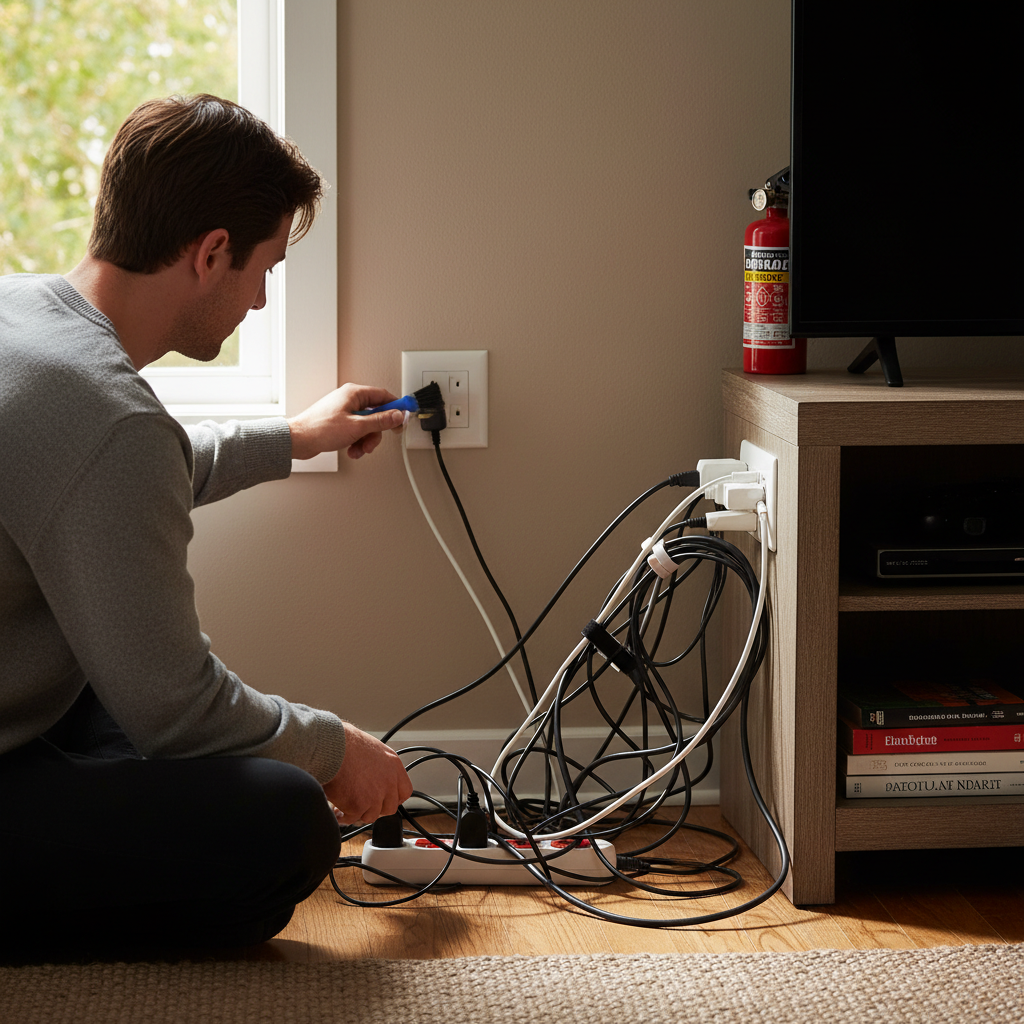
Most people don’t notice this until something goes wrong. A flickering light, a burning smell, or a tripped circuit breaker – these are often the first signs that something’s amiss. But by then, the damage might already be done. This is not about fear-mongering; it’s about being aware of the small things that, when overlooked, can lead to bigger problems.
The Overloaded Outlet: A Recipe for Disaster
One of the most frequent mistakes is overloading outlets. We tend to plug in multiple devices, often using power strips or adapters, without considering the outlet’s capacity. Imagine each outlet as a pipe, and electricity as water flowing through it. If you try to force too much water through a narrow pipe, it will eventually burst. It’s the same with electricity. Each outlet is designed to handle a certain amount of power. When you exceed that limit, the wires inside the walls heat up. This heat can melt the insulation, causing short circuits and, eventually, fires.
This small habit quietly causes problems like:
- Reduced device life: Constant power surges from overloaded circuits can damage your electronics over time.
- Increased electricity bills: Overworked circuits waste energy.
- Fire hazards: Overheated wires are a leading cause of home fires.
Many homeowners are unaware of the electrical load they’re placing on their outlets. This is particularly true in today’s homes, packed with energy-hungry devices.
Common Mistakes and How to Fix Them
Let’s look at some common mistakes and how to avoid them:
1. Overloading Outlets and Power Strips
Mistake: Plugging too many appliances into a single outlet or power strip.
Fix: Spread out appliances across multiple outlets. If you need more outlets, have an electrician install them. Use power strips with surge protection, but don’t overload them. Consider that heat-producing appliances, such as space heaters, should be plugged directly into the wall.
2. Ignoring Damaged Cords and Outlets
Mistake: Using appliances with frayed cords or damaged outlets.
Fix: Inspect cords regularly for damage. Replace any damaged cords immediately. Check outlets for loose plugs or cracks. If you notice any issues, replace the outlet.
3. Using the Wrong Bulbs
Mistake: Using light bulbs with a wattage higher than the fixture allows.
Fix: Always check the fixture’s maximum wattage rating and use the correct bulbs. Consider switching to LED bulbs, which use less energy and produce less heat.
4. Not Grounding Your Outlets
Mistake: Using two-prong adapters or not ensuring your outlets are properly grounded.
Fix: Ensure all outlets are grounded. If you’re replacing outlets, make sure the new ones have a grounding wire connection. A grounding wire helps protect against electrical shock. If you are unsure, call a licensed electrician.
Busting Myths and Shortcuts
There are many myths and shortcuts online, but many are unsafe:
- Myth: “You can plug anything into a power strip.”
- Reality: Power strips have limits. Check the wattage rating, and don’t overload them. Power strips are useful, but you still need to be careful with them.
- Myth: “If it fits, it’s safe.”
- Reality: Forcing a plug into a mismatched outlet can damage the outlet and cause a fire.
Why These Habits Matter More in 2026
Our homes are becoming more tech-dependent. More devices mean more outlets being used, leading to an increased risk of overloading circuits. With smart home technology, like smart thermostats and appliances, you’re potentially adding even more to your home’s electrical load. It’s crucial to understand these habits matter more than ever.
From smart refrigerators and electric vehicles to high-powered gaming computers, the demand on our electrical systems is constantly increasing. That’s why it’s important to stay vigilant.
Simple Habits, Big Rewards
Once you change these small habits, everything feels easier. You gain peace of mind knowing your home is safer. You might see a decrease in your electricity bills. And you can avoid the inconvenience of appliance breakdowns and, more importantly, a potential house fire.
Remember, it’s not about being perfect. It’s about being aware and making small, consistent changes that create a safer and more efficient home. And if you’re ever in doubt, consult a qualified electrician. They can inspect your home’s electrical system, identify potential hazards, and provide professional solutions.
These simple habits are not just about preventing electrical fires; they’re about protecting your family, your property, and your peace of mind.
Frequently Asked Questions
- How often should I have my home’s electrical system inspected?
- It’s recommended to have a professional inspection every 5-10 years, or sooner if you notice any issues like flickering lights or a burning smell.
- What should I do if a breaker trips frequently?
- This indicates an overloaded circuit. Unplug some devices and consider calling an electrician to evaluate your electrical load.
- Are power strips with surge protection worth it?
- Yes, surge protectors can protect your electronics from power surges and electrical damage. But be sure not to overload them.
- What are the signs of an overloaded outlet?
- Flickering lights, warm outlets, and a burning smell are all warning signs.
- Can I fix electrical problems myself?
- For simple things like replacing a light switch, you can. But for anything more complex, like wiring or outlet replacement, it’s best to call a licensed electrician.
- How do I know if my outlets are properly grounded?
- You can use an outlet tester, available at most hardware stores, to check for grounding.
- How can I save money on my electricity bill?
- Switch to LED bulbs, unplug devices when not in use, and be mindful of your appliance usage.
- What is the best way to prevent an electrical fire?
- Be aware of the tips outlined in this article. Avoid overloading outlets, inspect cords regularly, and have your electrical system inspected regularly.
For more information on home safety, you can visit the Energy Revolution System.