
We’ve all been there – that familiar feeling of the heater kicking on, a subtle dry tickle in your throat, or maybe a vague sense that the air just doesn’t feel… fresh. We often chalk it up to winter dryness or seasonal allergies, and we move on. But what if a tiny, often-overlooked detail in your home could be the key to unlocking better air quality, lower energy bills, and a healthier living space? I’m talking about your HVAC system’s air filter.
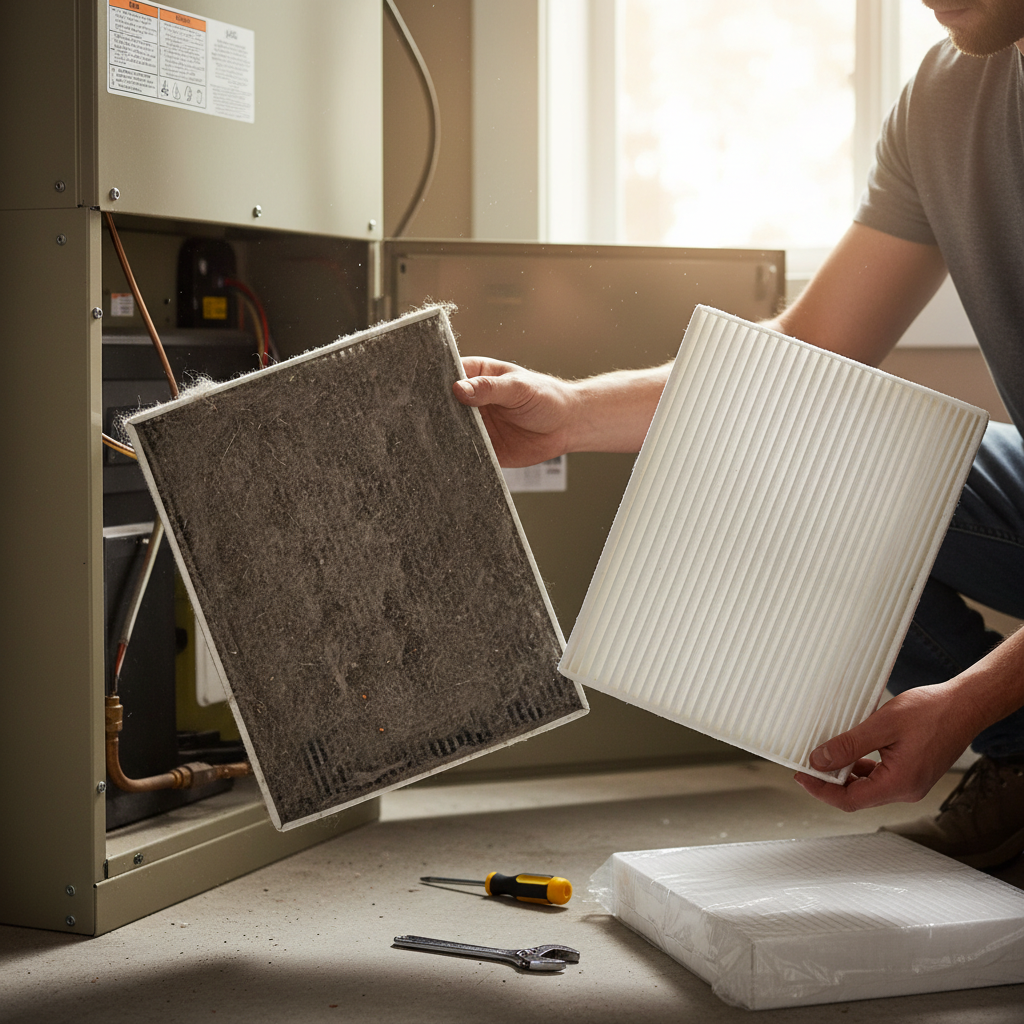
Most of us give our air filters a passing glance maybe once or twice a year, if that. We might vaguely remember a vague “change it every few months” tip from a home improvement show, but it’s easy to push it to the back of our minds. After all, “out of sight, out of mind,” right? But ignoring that little rectangular piece of mesh is a bit like neglecting the oil changes in your car. It might seem fine at first, but over time, the consequences quietly build up.
The Silent Culprit: How a Dirty Air Filter Impacts Your Life
Let’s get real – the air filter’s job is to protect your HVAC system from dust, debris, pet dander, pollen, and other airborne particles. It’s the first line of defense, the unsung hero quietly working to keep your home comfortable. But when that filter gets clogged, a whole cascade of problems begins.
- Reduced Airflow: A dirty filter restricts airflow, forcing your HVAC system to work harder to circulate air throughout your home. This leads to reduced efficiency, meaning your system uses more energy to achieve the same level of heating or cooling.
- Increased Energy Bills: As your system struggles, your energy bills creep up. You’ll find yourself paying more for the same level of comfort. Think of it as your system constantly trying to run a marathon while breathing through a clogged straw.
- Poor Air Quality: That dust, pollen, and pet dander? They don’t just disappear. A clogged filter can become a breeding ground for these particles, circulating them throughout your home. This can exacerbate allergies, trigger asthma symptoms, and simply make your indoor air feel stale and unpleasant.
- System Breakdowns: The more your system strains, the greater the risk of breakdowns. A simple filter replacement can prevent costly repairs down the line. It’s like regular checkups for your car – a little preventative care goes a long way.
- Shorter Lifespan of Your HVAC System: A consistently overworked system will wear out faster, meaning you’ll need to replace it sooner than you should. That’s a significant expense that could have been delayed with a little filter maintenance.
The Hidden Costs of Neglect
Beyond the obvious, there are hidden costs to ignoring your air filter. Consider the following:
- Health Implications: Poor air quality can contribute to respiratory issues, headaches, fatigue, and other health problems. In a world where we spend so much time indoors, the quality of our air is more important than ever.
- Lost Productivity: Feeling sluggish, congested, or generally unwell? Poor indoor air can zap your energy and make it difficult to focus. This can affect your work, your hobbies, and your overall quality of life.
- Increased Cleaning Efforts: Dirty air can lead to more dust accumulation on furniture, floors, and other surfaces. This means more frequent cleaning, which takes up your valuable time.
- Decreased Home Value: While not a direct impact, neglecting home maintenance can affect your home’s overall condition and, potentially, its resale value.
Common Mistakes and Myths
Let’s debunk some common misconceptions about air filters:
- Myth: “I have a high-end air purifier, so I don’t need to worry about my HVAC filter.” While air purifiers are great for improving air quality in a specific room, they don’t replace the need for a clean HVAC filter. Your HVAC filter protects the entire system and is essential for overall home air quality.
- Myth: “I can just clean my filter and reuse it.” While some filters are washable, most disposable filters are designed to be replaced. Cleaning a disposable filter can damage its structure and reduce its effectiveness. Always check the manufacturer’s instructions for your specific filter type.
- Mistake: “I’ll change it when I notice a problem.” By the time you notice a problem (reduced airflow, poor air quality), the damage is already done. Regular filter changes are a preventative measure, not a reactive one.
- Mistake: “I use the cheapest filter I can find.” While price is a factor, don’t sacrifice quality. Look for filters with a Minimum Efficiency Reporting Value (MERV) rating of 8-12 for a good balance of filtration and airflow.
Practical Tips for a Breath of Fresh Air
Ready to make a change? Here’s how to make air filter maintenance a breeze:
- Check Your Filter Regularly: The easiest thing to do is make it a habit. Check your filter every 30-60 days, especially during peak heating and cooling seasons.
- Mark Your Calendar: Set a reminder on your phone or mark it on your calendar to change your filter every 1-3 months, depending on the type of filter and your home’s conditions (pets, allergies, etc.).
- Choose the Right Filter: Look for filters with a MERV rating of 8-12. These offer a good balance of filtration and airflow. Consider a pleated filter for better performance.
- Know Your Filter Size: Write down the correct size of your filter so it is easy to reorder the right size. This information is typically printed on the filter frame.
- Buy in Bulk: Purchasing filters in bulk can save you money and ensure you always have a replacement on hand.
- Keep Track of Changes: Write the date of the last filter change on the filter frame with a marker so you can keep track of how often you change it.
- Proper Disposal: When you replace your filter, dispose of the old one properly.
Why This Matters More in Today’s World
In the tech-heavy, fast-paced world of 2026, we’re spending more time indoors than ever before. We’re also more reliant on technology that can be affected by poor indoor air quality. Consider these points:
- Smart Homes and Indoor Air Quality: Smart home systems often include features that monitor indoor air quality. A clean air filter is essential for these systems to function effectively and provide accurate readings.
- Remote Work and Home Offices: With more people working from home, the air quality in your home office is directly impacting your productivity and health.
- Increased Awareness of Health: We’re more aware of the importance of clean air and its impact on our health. Taking care of your air filter is a simple step towards improving your overall well-being.
- Energy Efficiency Concerns: As energy costs continue to rise, every effort to save energy is important. A clean air filter helps your HVAC system run more efficiently, reducing your energy consumption.
The Long-Term Rewards: Peace of Mind and Practical Savings
Making air filter changes a habit might seem like a small thing, but the long-term benefits are substantial. You’ll experience:
- Improved Air Quality: Breathe easier knowing your home is filled with clean, fresh air.
- Reduced Energy Bills: Save money on your monthly energy costs.
- Fewer System Breakdowns: Extend the life of your HVAC system and avoid costly repairs.
- Enhanced Comfort: Enjoy a consistently comfortable temperature throughout your home.
- Peace of Mind: Knowing you’re taking care of your home and protecting your family’s health.
Changing your air filter is a simple, effective way to improve your home environment, protect your investment in your HVAC system, and ensure your family breathes easier. Don’t let this small detail become a big problem. Make it a habit today and experience the difference.
By the way, if you are having issues with slow internet, you might also want to check out some of our other articles. Why Is My Internet So Slow? A Real-Life Guide to Speeding Things Up.
FAQ
Here are some of the most common questions.
Q: How often should I change my air filter?
A: Most experts recommend changing your filter every 1-3 months, but it depends on your filter type, your home’s environment, and any special conditions.
Q: How do I know what size air filter I need?
A: The size is usually printed on the side of the filter frame. If you’re unsure, you can measure the old filter or consult your HVAC system’s manual.
Q: What does MERV rating mean?
A: MERV (Minimum Efficiency Reporting Value) is a rating system that measures a filter’s ability to capture particles. A MERV rating of 8-12 is generally recommended for home use.
Q: Can a dirty air filter cause health problems?
A: Yes. A dirty filter can circulate dust, allergens, and other pollutants, which can worsen allergies, asthma, and other respiratory issues.
Q: Is it okay to use a washable air filter?
A: Some filters are washable, but most disposable filters are designed to be replaced. Always check the manufacturer’s instructions for your specific filter type.
Q: Can a dirty air filter affect my energy bills?
A: Absolutely. A clogged filter forces your HVAC system to work harder, which increases your energy consumption.
Q: Does the type of air filter matter?
A: Yes, different types of filters have different levels of filtration. Pleated filters generally provide better performance than basic fiberglass filters.
Q: What are the signs that I need to change my air filter?
A: Reduced airflow, poor air quality, and increased energy bills are all signs that your filter needs to be changed. But it’s best to change it regularly, even if you don’t notice any problems.